Why Is the Inside of My Weber Lid Peeling? (It's Probably Not Paint)
By Reed · Published August 2026
The dark flakes on the inside of your Weber lid are almost always cured smoke residue and grease buildup, not paint or porcelain peeling. Weber lids are made of porcelain-enameled steel, and porcelain doesn't flake off like paint. What you're actually seeing is a black tar-like layer of vaporized fat and wood smoke that has hardened into carbon over dozens of cooks. Eventually that carbon layer gets thick enough that it cracks and drops in flakes onto your food or the grate. It's normal, it's not harmful, and it's not covered under warranty because there's genuinely nothing wrong with the grill. Wipe it out with a paper towel while the lid is still warm from a cook and it goes away for months.
What’s Actually Falling Off Your Lid
Every time you close the lid on a hot grill, fat vapor and wood or charcoal smoke rise and hit the coolest surface in the chamber, which is the underside of the lid. That mist condenses, bakes on, and slowly builds a layer of carbonized grease. Weber themselves call it a normal byproduct of grilling and describe it as looking like peeling black paint. It isn’t paint. There is no paint on the inside of a Weber lid to begin with.
The lid itself is porcelain-enameled steel, which is essentially glass fused to metal at around 1500 degrees Fahrenheit. That coating is chemically bonded to the steel underneath and cannot peel off in flakes the way a paint coating can. What flakes off is the carbon crust sitting on top of the porcelain, and once you scrape it away you’ll see the smooth dark enamel underneath still perfectly intact.
“There is no paint on the inside of a Weber lid. Porcelain doesn’t peel. What you’re wiping off is cooked-on smoke, and it comes off with a paper towel.”
How to Tell If It’s Actually Paint or Porcelain Peel
Look at the flakes themselves and the surface underneath. Cured smoke residue is jet black, thin, brittle, and often shiny on one side. It rubs off with a damp cloth and leaves behind a smooth surface. Porcelain damage looks different. If a piece of porcelain has actually chipped, you’ll see raw gray or rust-orange steel exposed underneath, usually in a sharp-edged patch about the size of a pea or larger.
The quick test: run a magnet across the interior of the lid. It should stick everywhere because the substrate is steel. Then wipe a flaking area with a wet paper towel. If the surface underneath is smooth and dark, that’s your porcelain and it’s fine. If the surface underneath is rough, textured, or rust-colored, the enamel has actually failed in that spot and you have a warranty case worth calling Weber about.
Real porcelain enamel failure IS covered under warranty. Cured smoke residue is not — that's just carbon from years of good cooking.
How to Clean the Buildup
The easiest window is right after a cook while the lid is still warm but no longer dangerously hot. Wipe the interior with a wadded paper towel or a plain cloth. The residue comes off in dark smears with no chemicals needed. Do this every four or five cooks and you’ll never build up enough carbon for it to flake into your food.
For a lid that’s already coated, close the vents part way, run the grill empty on high for 15 to 20 minutes, let it cool, and then scrape the loosened crust off with a plastic putty knife or a balled-up sheet of aluminum foil. Skip stiff metal wire brushes on the interior of the lid. They can leave scratches in the enamel that give the next round of carbon something to grip, and worn bristles can shed. A soft brass brush or a coiled stainless scrubber is safer.
Don’t use oven cleaner or degreasers with lye on the enamel. They can etch the finish over time and any residue that survives a rinse ends up on your next steak.
When It IS Actually Weber Paint Peel
There is a narrow set of cases where Weber owners really are looking at coating failure. Some older Genesis and Spirit models from certain production years had exterior painted lids rather than porcelain-enameled ones, and the paint on the outside can bubble and flake with heat cycling and UV exposure. That’s cosmetic paint on the outside, not the interior grease layer, and Weber has honored it under warranty in many cases when photos clearly show peeling exterior paint rather than interior residue.
The other legitimate case is genuine porcelain chipping, usually from an impact like a dropped lid or a tool banging the interior. Weber’s porcelain-enamel warranty on lids and bowls runs 10 years on most current models, and they generally replace lids where the porcelain has flaked off and left steel exposed. Take clear photos of the damaged spot with something for scale, keep your original receipt if you have it, and call Weber customer service directly. The claim goes faster than most people expect.
Prevention
Run the grill hot with the lid closed for 10 to 15 minutes after every cook. This burns most of the fresh fat vapor off before it has a chance to bond into a hard crust. Weber owners who do this rarely see flaking at all.
Trim excess fat from steaks and chicken thighs before grilling, and skip the high-heat lid-closed searing of super-fatty foods like pork belly or heavily marbled ribeye. Indirect cook them or move them to a hotter zone with the lid open for the crust. Consider a drip pan under fatty roasts to catch grease before it can vaporize and hit the lid.
A grill cover between cooks doesn’t stop interior buildup, but keeping the grill dry between uses does keep the porcelain itself in good shape for the long haul. Water sneaking into a chipped spot is what turns a small enamel flaw into a rusted-through lid.
304 stainless construction means no enamel to chip, no interior paint to flake, no rust cascade — the upgrade path for lifers.
When It’s Time for a New Lid or a New Grill
If the porcelain has genuinely failed and Weber won’t cover it, replacement lids for common Weber kettles and Genesis models run roughly $100 to $250 depending on the size and generation. That’s usually the right move if the rest of the grill is solid.
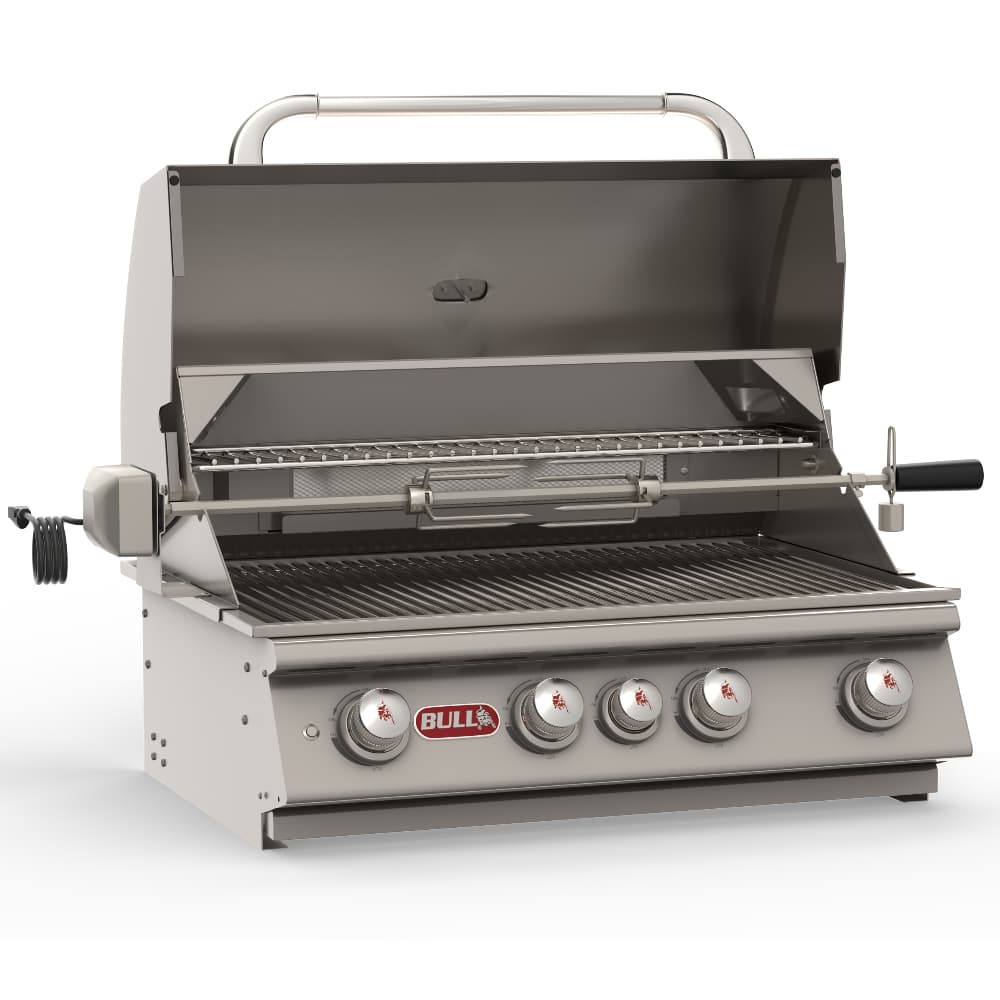
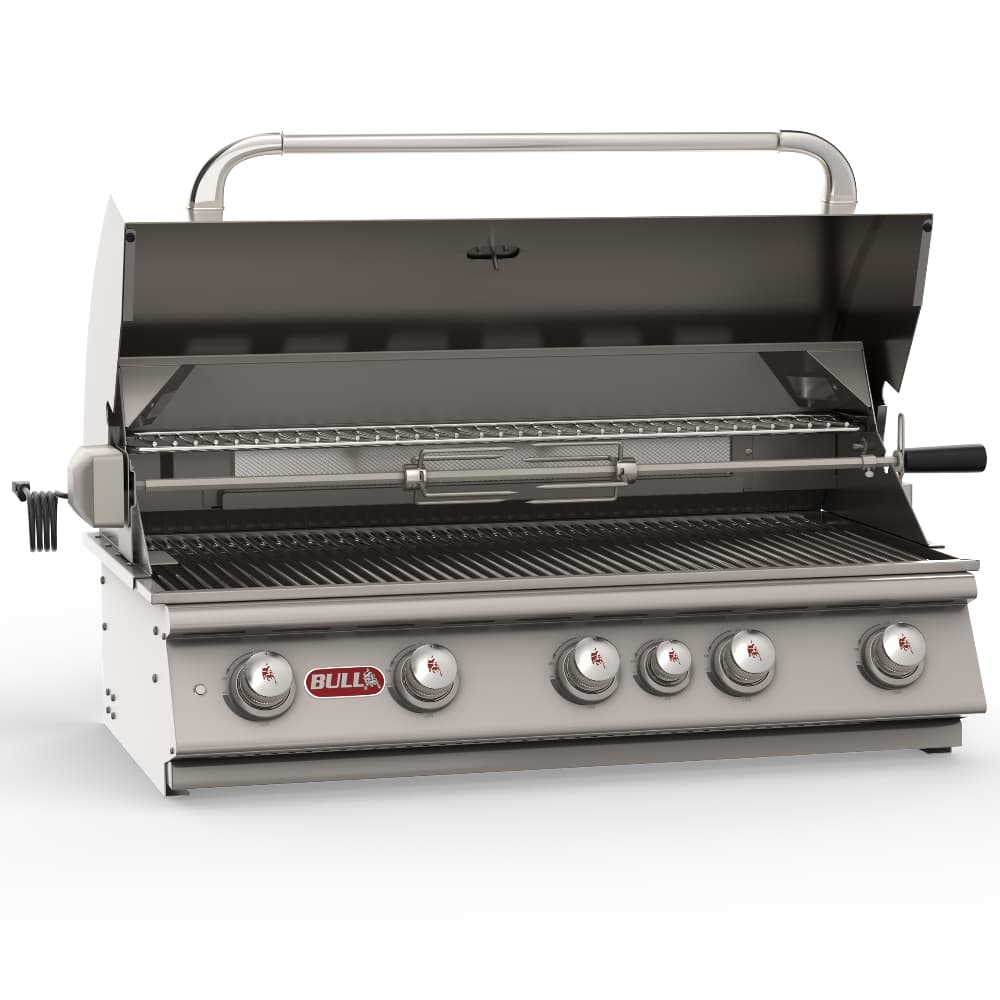
If you’ve replaced the lid once, the burners are corroded, and the firebox is starting to show rust, the honest math often points to a new grill. This is also the moment a lot of long-time Weber owners look at what the next tier up actually costs. Premium built-in and freestanding grills from brands like Bull, Coyote, Hestan, and Summerset are built from 304 stainless steel rather than porcelain-over-steel, which means no enamel to chip, no interior paint to flake, and 20-year to lifetime warranties on the primary cooking chamber.
You still get carbon buildup on the inside of a 304 stainless lid, because that’s just what grilling does, but you don’t get the failure mode where a chip in a coating starts a rust cascade that ends the grill. If you’ve been on your third or fourth Weber and you cook every week, the upgrade tends to pay for itself in the length of time between grill purchases.
Frequently Asked Questions
Is it dangerous to eat food that fell under a peeling Weber lid?+
How do I clean the black flakes off my Weber lid?+
Will Weber replace my lid under warranty?+
Does grilling on high heat cause the peeling?+
Do premium built-in grills have this problem?+
Can I paint over the inside of my Weber lid?+
How often should I clean the inside of my Weber lid?+
My Weber lid has actual rust showing through, not just black flakes. What now?+
Products & brands in this guide
Related reading
Reed — Reed writes the buying guides at BBQs.com — fifteen years selling and installing built-in grills means the picks here are what we'd actually put in our own outdoor kitchen.