Why Won't My Weber Charcoal Grill Get Hot? Fix It Today
By Reed · Published August 2026
If your Weber charcoal grill won't get hot, the answer is almost always one of three things: your bottom vent is choked (either closed or clogged with ash), you don't have enough charcoal lit, or the briquettes themselves are stale from sitting in a humid garage. Real sear heat on a 22-inch kettle needs 50 to 70 fully-ashed briquettes and both vents wide open, period. If you're seeing 300 degrees at the grate when you want 600, you don't have a broken grill, you have a starved fire. Here's how to diagnose it in the next ten minutes, fix it for tonight's cook, and know when the kettle itself is actually the problem.
First, Understand What Actually Makes a Charcoal Grill Hot
Charcoal doesn’t care how expensive your grill is. It cares about oxygen. A Weber kettle is essentially a bowl with two vents, and the fire between them behaves exactly like a wood stove: air comes in the bottom, feeds the coals, and exits the top. Restrict either end and the temperature falls off a cliff.
The kettle’s job is to funnel air through a bed of coals and hold heat in with the lid. When people say their Weber won’t get hot, what’s happening 90 percent of the time is that the bottom vent is either closed, half-blocked by ash, or the coal bed is too thin to sustain the burn. Fix the airflow and the grill delivers 600 to 700 degrees at the grate without breaking a sweat.
“Nine times out of ten, a Weber that won’t get hot isn’t broken. It’s starving for air. Fix the vents, dump the ash, and the fire comes back.”
Cause 1: Your Bottom Vent Is the Problem (Yes, Really)
Open the bottom vent fully. Not halfway, not “mostly open,” fully. On a standard 22-inch Weber kettle the daisy-wheel or one-touch lever should be pushed all the way to the open position. For maximum heat you want both bottom and top vents at 100 percent. Any restriction on the intake side and the fire suffocates.
Now look underneath the kettle. If you haven’t emptied the ash catcher in a few cooks, ash is very likely sitting up inside the vent, blocking half the intake area. Pull the ash catcher, dump it, then reach up and sweep any packed ash out of the vent slots with a small brush or a folded paper towel. This one step fixes more “weak Weber” complaints than any other.
Cause 2: You’re Not Using Enough Charcoal
For high-heat searing on a 22-inch kettle, plan on 50 to 70 briquettes, or roughly a full standard Weber chimney starter’s worth. A thin single layer of coals will get you burger heat at best, around 350 to 400 degrees, and it’ll fade fast. Two-zone cooking with steaks and reverse-searing? You want the equivalent of a chimney and a half piled on one side.
People underestimate charcoal because a full chimney looks like a lot. It isn’t. A 22-inch kettle is a big volume of air to heat, and briquettes lose usable BTUs the moment ash starts coating them. If you want repeatable 600-degree sears, load heavy and don’t apologize for it.
A properly loaded 22-inch Weber kettle with fresh charcoal and both vents open hits searing temperature in under 5 minutes.
Cause 3: Your Charcoal Is Stale
Charcoal absorbs moisture from the air. A bag that’s been open in a Pacific Northwest garage for eight months is not the same fuel it was on day one. Damp briquettes light slower, burn cooler, produce more ash, and never reach full temperature. If your bag has been sitting outside, in a humid basement, or under the grill cover all winter, that’s very likely your problem.
Test it: grab a briquette and try to snap it. Fresh Kingsford snaps cleanly with a dry crack. Stale charcoal crumbles or bends. Dump the bag, buy fresh, and store the next one in a sealed plastic bin. Better yet, keep two bags going, one indoor-stored for critical cooks, one outdoor-stored for casual grilling where a slightly cooler fire won’t matter.
Cause 4: You’re Skipping the Chimney Starter
If you’re still lighting charcoal in a pile with lighter fluid, stop. A chimney starter is 15 dollars and it’s the single biggest quality-of-life upgrade for any charcoal cook. You get fully-lit, fully-ashed coals in 15 to 20 minutes, every time, with zero petroleum taste. Piled and lit with fluid, you’re waiting 30 to 40 minutes and half the coals never fully ignite.
The right sequence: fill the chimney, stuff two sheets of newspaper or two paraffin cubes underneath, light it, and wait until the top layer of coals is grey with visible ash. Then dump into the kettle, spread to your desired configuration, put the grate on, put the lid on with vents wide open, and give it three to five minutes to stabilize. That’s your searing temperature.
Cause 5: Ash Is Choking the Fire Mid-Cook
Weber kettles come with a hinged grate for a reason. If you’re doing a long cook, or you noticed the temp climbing to 550 and then falling back to 350 an hour in, the ash bed is smothering your live coals. Grab the ash tool that shipped with the grill (or a long stick) and gently shake the one-touch lever back and forth. That sweeps ash down into the catcher and re-exposes hot coals to fresh air.
For very long cooks, add fresh unlit briquettes around the edges every hour or so, or use the snake method from the start. But for high-heat grilling, the fix is simpler: sweep the ash, and if the fire is truly dying, add a half-chimney of freshly-lit coals on top.
Cause 6: Wind, Cold, and Humidity Are Working Against You
A 40-degree windy evening in November is not the same cook as a still 75-degree afternoon in July. Cold ambient air pulls heat out of the kettle wall, wind blows across the top vent and disrupts draft, and humidity slows combustion. Real-world losses can be 100 to 150 degrees at the grate on a rough day.
Fixes: park the grill so a fence or wall blocks the prevailing wind, load 20 to 30 percent more charcoal than you would in summer, preheat 5 minutes longer, and keep the lid closed. Every time you open the lid on a windy cook you lose serious temperature and it takes 3 to 5 minutes to recover.
When the Kettle Itself Is the Problem
Sometimes the grill really is the issue. Signs your Weber has aged out: the lid no longer seats flush against the bowl (warped from years of heat cycling), the bottom of the bowl has rusted through or has visible pinhole leaks, the one-touch cleaning system is seized so the vent won’t fully open, or the grate is so pitted that food sticks and airflow through the grate itself is uneven. Any one of these will keep the grill from reaching temperature.
A well-cared-for Weber kettle lasts 15 to 20 years. If yours is 8-plus years old, has lived outside uncovered, and shows two or more of the symptoms above, replacement parts will get you a couple more seasons but you’re fighting physics. This is the point where a lot of grillers start thinking about the next kettle, or about stepping up to a built-in charcoal setup that lives permanently in an outdoor kitchen.
How to Test Your Max Heat in 20 Minutes
Empty the ash catcher. Fully open both vents. Fill a chimney starter with fresh briquettes, light with two paraffin cubes, wait 20 minutes until the top layer is grey and ashy. Dump into the center of the kettle. Put the grate on, put the lid on. Wait 5 minutes.
Slide an infrared thermometer or the built-in lid thermometer’s grate-level probe over the coals. You should see 600 to 700 degrees at the grate. If you’re seeing 400 or less with a full fresh chimney, both vents open, and an empty ash catcher, you have a hardware problem, not a technique problem.
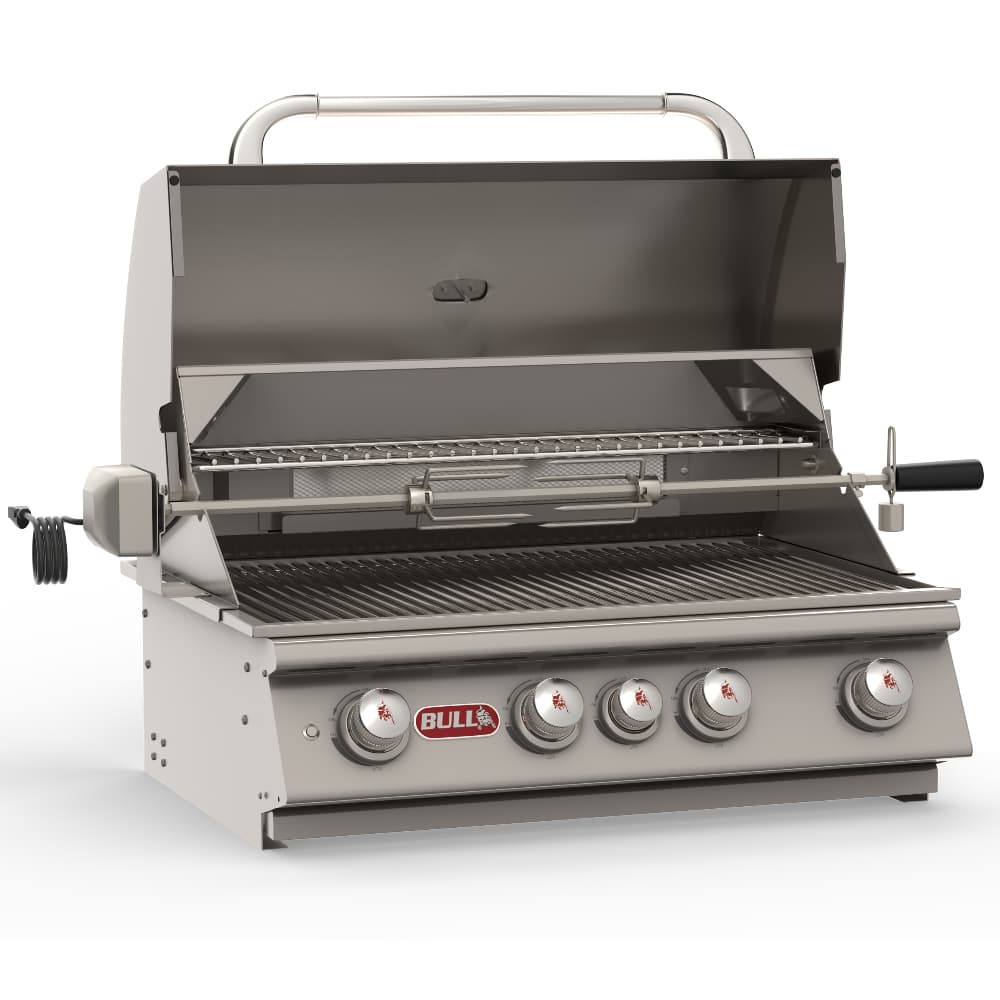
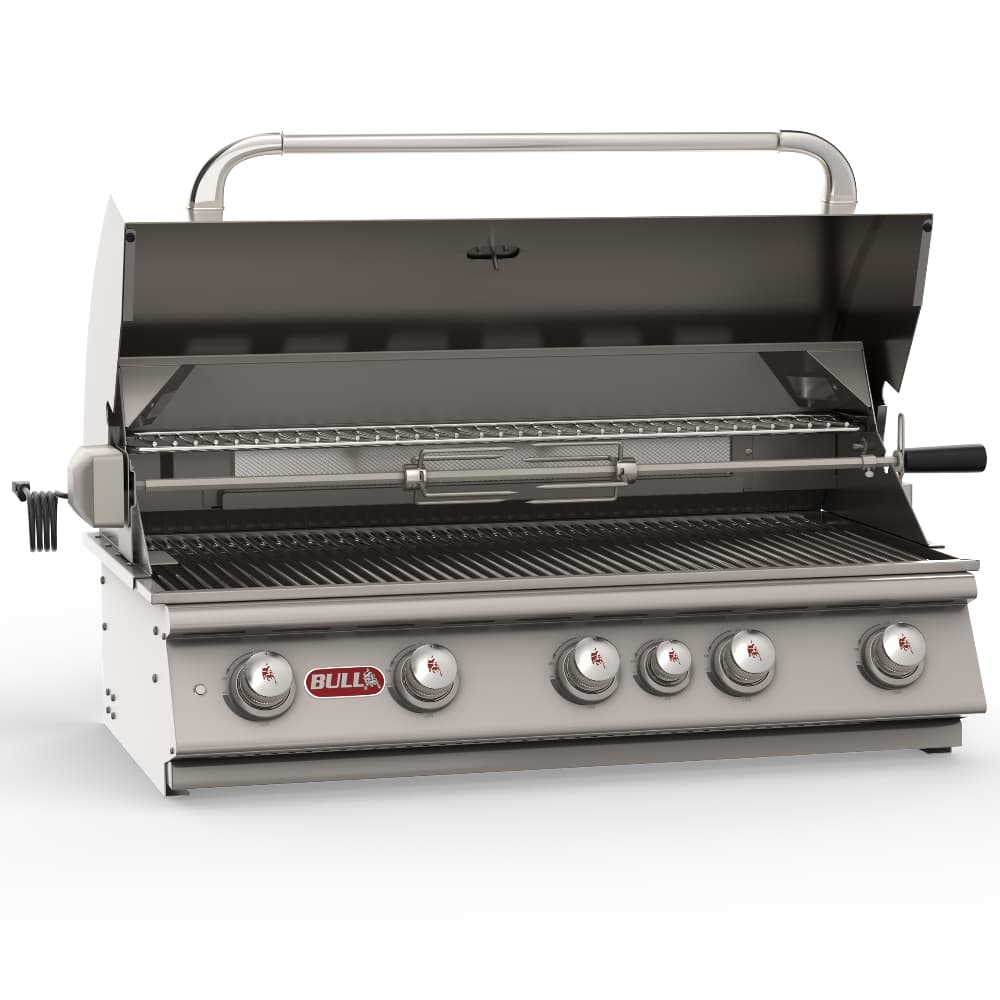
When you're ready to move past the kettle — premium built-ins that hold searing heat for hours without fading.
When It’s Time to Upgrade
The Weber kettle is a fantastic entry-point grill. It’s also, by design, a compromise: cheap materials, thin steel, one cooking zone, no side burners, no built-in temperature control, and a lid that leaks smoke around the edges. If you’re cooking outside two or three times a week and finding yourself fighting the grill more than enjoying it, you’ve probably outgrown the platform.
The next tier up is a premium charcoal grill with heavier steel, better vent engineering, and grate systems that hold heat: brands like Coyote, Hestan, and the ceramic and kamado-style setups from Bull BBQ. These run 600 degrees for hours without fading, hold sear temps through cold weather, and last decades. If you’re planning an outdoor kitchen, a built-in charcoal or hybrid grill locks in the upgrade path permanently.
Frequently Asked Questions
How hot should a Weber charcoal grill get?+
Why does my Weber get hot then lose heat quickly?+
How many briquettes do I need for grilling steaks?+
Lump charcoal vs Kingsford briquettes for high heat?+
Can old charcoal cause my grill to run cold?+
Should I close the top vent for more heat?+
How often should I empty the ash catcher?+
When should I replace my Weber kettle?+
Products & brands in this guide
Related reading
Reed — Reed writes the buying guides at BBQs.com — fifteen years selling and installing built-in grills means the picks here are what we'd actually put in our own outdoor kitchen.