Bull Angus vs Bull Diablo (2026): When the 46-inch 6-Burner Beats the 30-inch
By Reed · Published November 2026

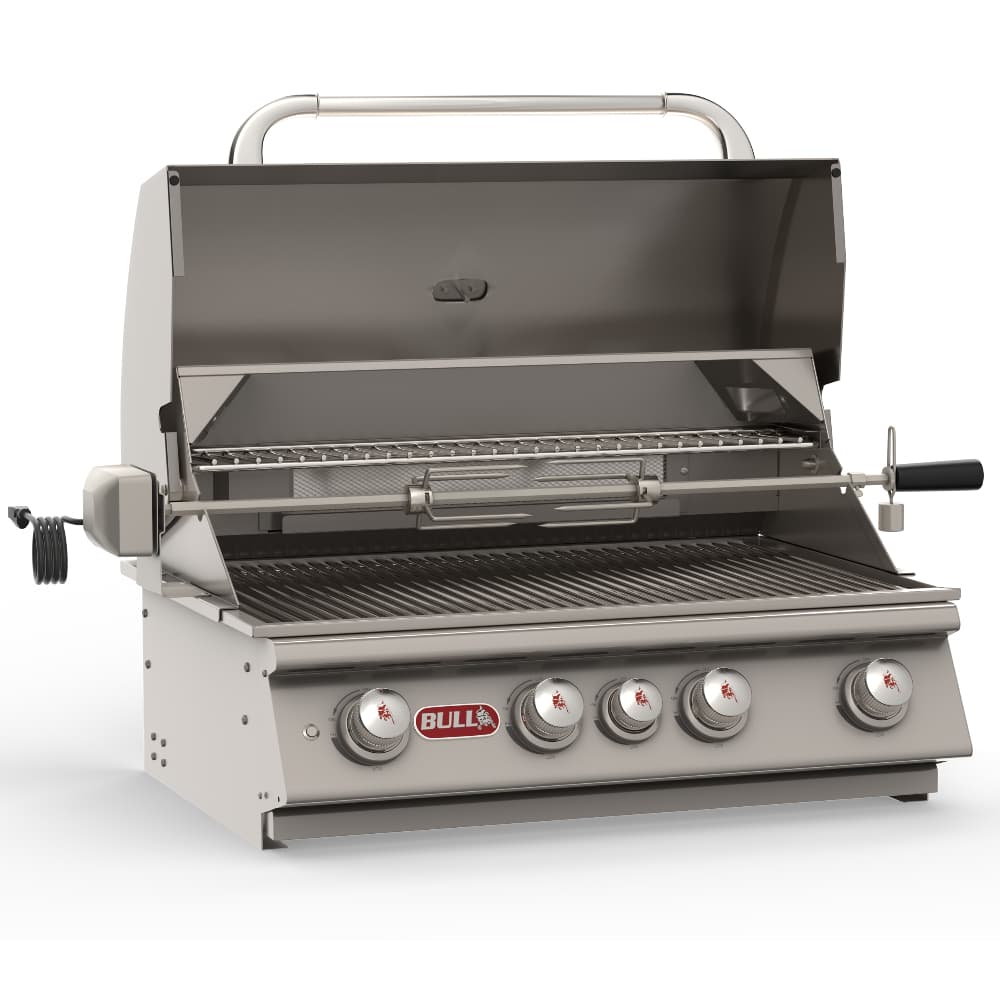
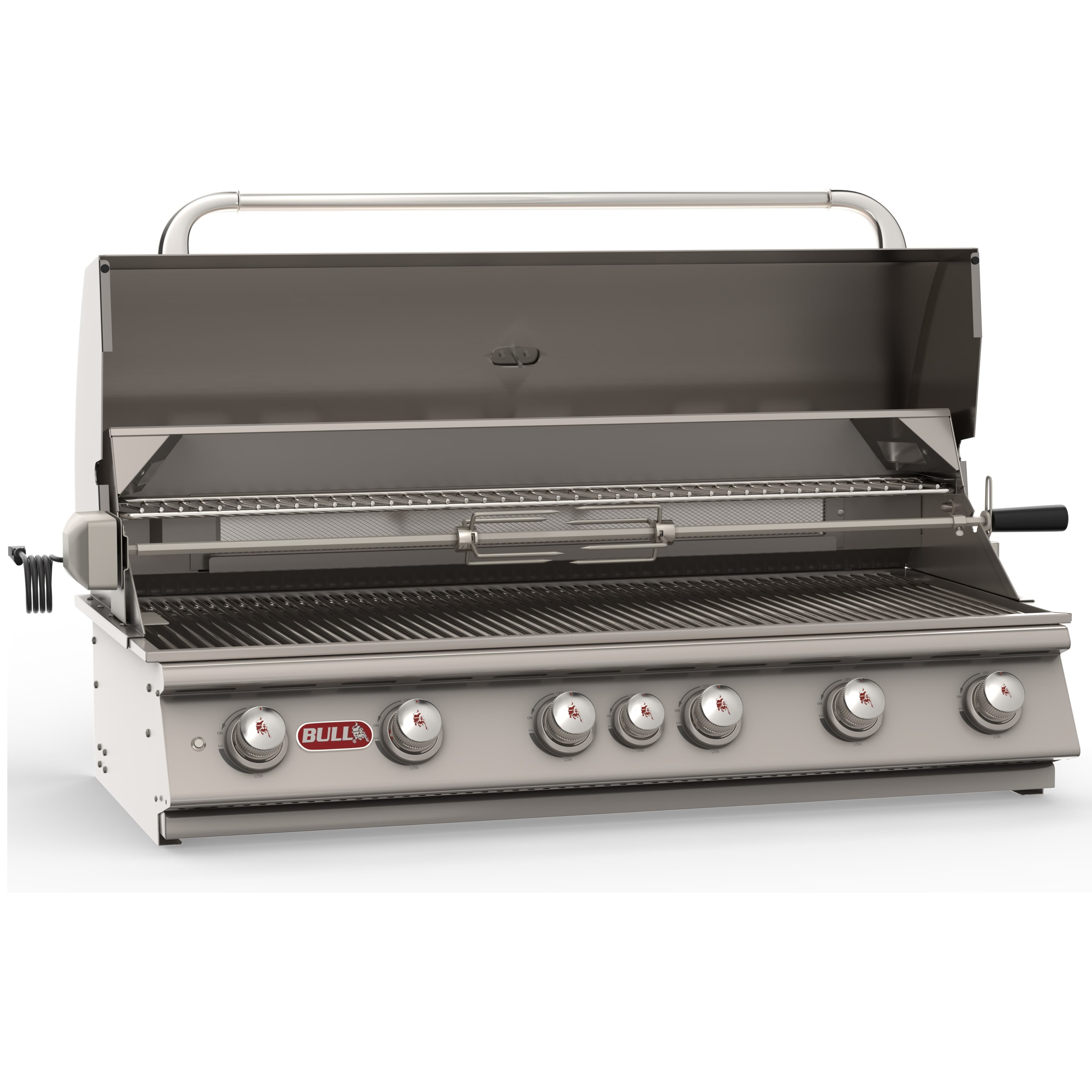
Updated November 2026. The question we field weekly at BBQs.com: should I go with the Bull Angus 30-inch 4-burner or jump up to the Bull Diablo 46-inch 6-burner? The honest answer depends on three things nobody asks about when they open the brochure — how often you cook for more than eight people, whether your island cutout is already 30 inches, and whether you use rotisserie plus sear-plus-indirect zones together.
Why this comparison matters
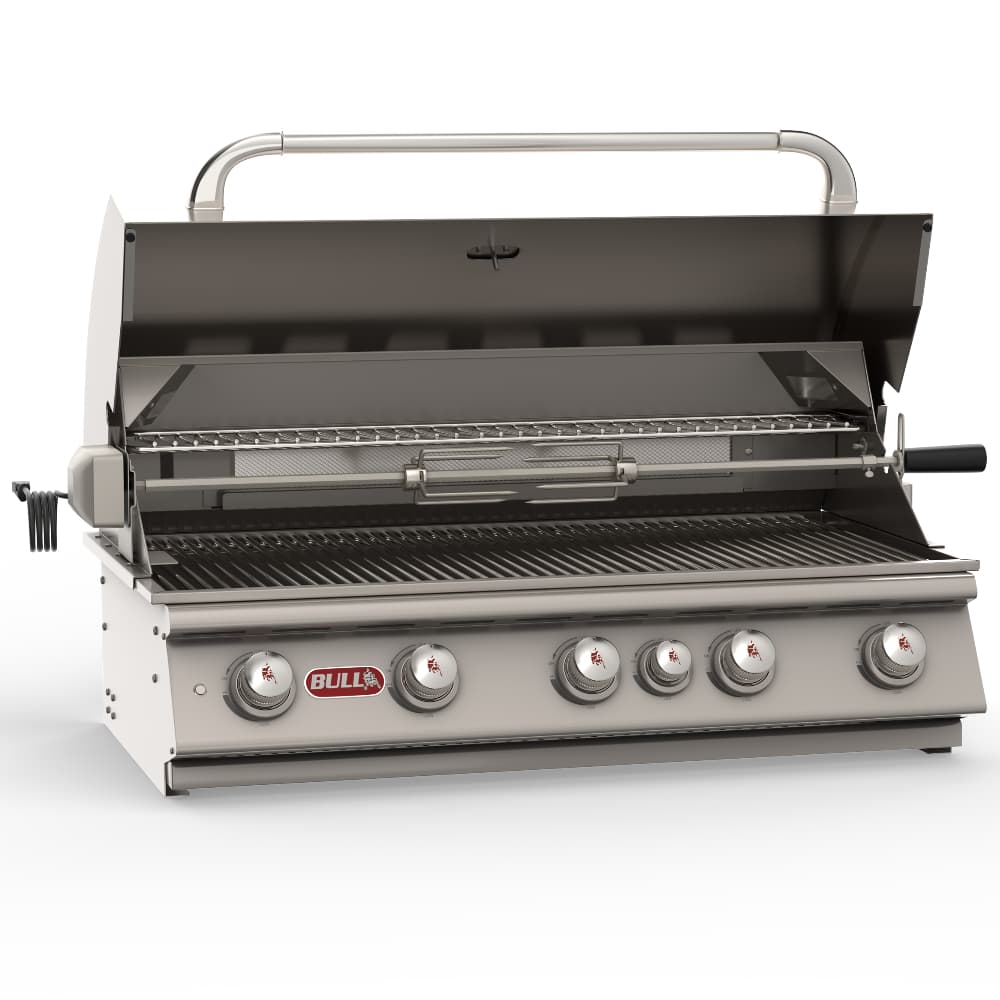
Bull makes five residential grill tiers. The Lonestar Select at $1,899 and the Outlaw at $2,199 are the budget 30-inch 4-burners. The Angus at $2,839 is the 30-inch 4-burner that adds the rear infrared rotisserie and the cast burner tier. The Brahma at $3,789 steps up to 38 inches and 5 burners. The Diablo at $4,729 tops the line at 46 inches and 6 burners.
Every one of those tiers runs the same 304-grade stainless, the same 8mm diameter 304 grate rod on the top three, and the same lifetime burner warranty. Build quality does not change across the line. What changes is footprint, zone count, and BTU output. That’s the whole decision.
Spec-by-spec: where the Diablo goes bigger
| Spec | Bull Angus | Bull Diablo |
|---|---|---|
| Head width | 30 in | 46 in |
| Main burners | 4 × 15K BTU = 60K main | 6 × 15K BTU = 90K main |
| Rear infrared burner | 10K BTU | 10K BTU |
| Primary cooking area | 540 sq-in | ~820 sq-in (per Bull) |
| Total w/ warming rack | 810 sq-in | ~1,100 sq-in |
| Grate rod | 8mm 304 stainless | 8mm 304 stainless |
| Construction | 304 stainless throughout | 304 stainless throughout |
| Warranty (burners) | Lifetime | Lifetime |
| Price from | $2,839 | $4,729 |
Price delta Angus → Diablo (built-in configuration, NG or LP)
Where the Angus is the smarter buy
Three cases where the Angus wins the argument, every time:
Your island cutout is already 30 inches. If you’re dropping into an existing outdoor kitchen that was framed for the standard 30-inch grill opening, the Diablo requires re-framing — new stone cut, new counter, often a structural header rework if the opening sits under a vented hood. That’s a $1,200 to $3,500 masonry charge on top of the grill. The Angus slides in.
You cook for 4 to 8 most weekends. A 30-inch 4-burner handles 8 steaks, 12 burgers, or a whole chicken on rotisserie plus two cast-iron sides at once. We’ve installed this grill into 200+ family homes. The number of customers who later say “wish I’d gone bigger” is low single digits.
You’re on propane. The Diablo at full tilt burns through a standard 20-lb propane tank in roughly 5 hours of aggressive sear-and-roast cooking. The Angus stretches that to closer to 10 hours. If you’re on a tank (not natural-gas plumbed), the fuel-cost math compounds — every big cook costs more on the Diablo. For natural-gas households this one doesn’t matter.

The 46-inch question: do you actually need six burners?
Zone math is the thing nobody explains well in the showroom. Six burners is not just “50 percent more cooking.” It’s a different way to use the grill.
On a 4-burner Angus, you run two 2-burner zones — one hot (direct sear), one medium (indirect cook). Rotisserie runs on the rear infrared burner above. That’s three cooking modes going at once, max.
On a 6-burner Diablo, you run three 2-burner zones — hot sear, medium direct, low indirect — all at the same time. Rotisserie still runs on the rear IR above. That’s four cooking modes going at once, which is what you actually need when you’re searing tenderloin, roasting chicken, finishing vegetables, and spinning a pork shoulder for the same dinner.
“Six burners is not 50 percent more cooking. It's a different way to use the grill.”
If the only meal you ever make that way is Christmas dinner, buy the Angus and borrow a pellet smoker for the once-a-year ask. If parallel-zone cooking is a weekly rhythm — you’re the host, every weekend has 10-plus people around the island — the Diablo pays for itself in how often you actually use it the way the brochure suggests.
Install differences nobody tells you
The spec sheets stop at BTU and cooking area. These are the things you learn after you’ve installed 300 of them:
Cutout framing. 30-inch opening is the industry standard — every pre-built island kit on the market accommodates it, and most masons quote from a template. The Diablo’s 46-inch opening is non-standard enough that you’re typically billing a custom cut. On a retrofit, that line item is often $1,500 to $3,000. On a new build, it’s roughly the same material cost but more design-review time with your outdoor-kitchen contractor.
Weight and movement. The Angus grill head alone is roughly 135 pounds. Two people, an awkward day. The Diablo head is closer to 230 pounds — three people and a dolly. If you’re doing the install yourself, this matters. If a Bull dealer is handling it, it only matters for the day the delivery truck shows up.
Vent-hood sizing. Running a Bull under an outdoor vent hood? The Diablo needs a 48-inch hood at minimum (we recommend the Bull 50-inch twin-fan at 1,200 CFM). The Angus pairs cleanly with the 42-inch twin-fan. If your hood opening is already dimensioned, that locks in your grill-head size automatically.
Built-in vs freestanding — both come in both
Both grills ship in two configurations: built-in (drops into an island opening) and freestanding (on the Bull cart with side shelves, storage doors, and casters). The cart adds roughly $600 to $800 to each model.
The decision is simpler than most people make it. If you’re building or already have an outdoor-kitchen island, buy the built-in. If you’re on a patio with no plan for an island, buy the freestanding. Converting later from built-in to freestanding requires the cart bottom as a separate purchase; converting freestanding to built-in is cleaner but still means lifting the head off the cart. Make the call up front.
What this doesn’t cover
Charcoal is a different conversation. If you’re deciding between gas and charcoal, the Bull platform doesn’t help you — Bull’s premium charcoal grill is the Bison 30-Inch, which is a separate buy. Same construction tier, different fuel.
If you’re cross-shopping Bull against Hestan, Coyote, or Alfresco, that’s a build-quality and warranty conversation more than a cooking-surface one. See the Angus review for the full teardown against Hestan Aspire and Coyote C-Series. Our general take: in the $2,500 to $5,000 built-in range, Bull wins on warranty response time (US manufacturing, 3-5 day parts turnaround) and loses to Hestan on hood-weld polish.
The decision in one paragraph
Buy the Angus if your cutout is already 30 inches, your typical cook serves 4 to 8, and you want the Bull rear IR rotisserie without the custom-masonry upcharge. Buy the Diablo if you’re framing a new island anyway, you regularly cook for 12-plus, or you consistently run three cooking zones plus rotisserie at once. Everyone else gets the Angus and spends the $1,890 on a Bull side burner and a Bull outdoor refrigerator instead.
Frequently Asked Questions
What is the difference between the Bull Angus and the Bull Diablo?+
Which Bull grill has the biggest cooking surface?+
Does the Bull Diablo come with a rotisserie motor?+
Can you convert a Bull Angus or Diablo from propane to natural gas?+
How many people can a Bull Angus feed vs a Bull Diablo?+
Where are Bull Angus and Bull Diablo grills made?+
Products & brands in this guide
This Season
Shop the season
Black Friday 2026
Black Friday Grills
Deepest markdowns of the year on built-ins, carts, and high-BTU gassers.
Shop Black Friday →Holiday 2026
Holiday Grill Deals
Gift-ready grills and accessories that still beat Christmas.
Shop Holiday Deals →Thanksgiving 2026
Thanksgiving Grilling
Ideas to keep the turkey outside and the oven free for pies.
Read the Guide →Related reading
Reed — Reed writes the buying guides at BBQs.com — fifteen years selling and installing built-in grills means the picks here are what we'd actually put in our own outdoor kitchen.