Chicago Brick Oven: Choosing a Wood-Fired Pizza Oven
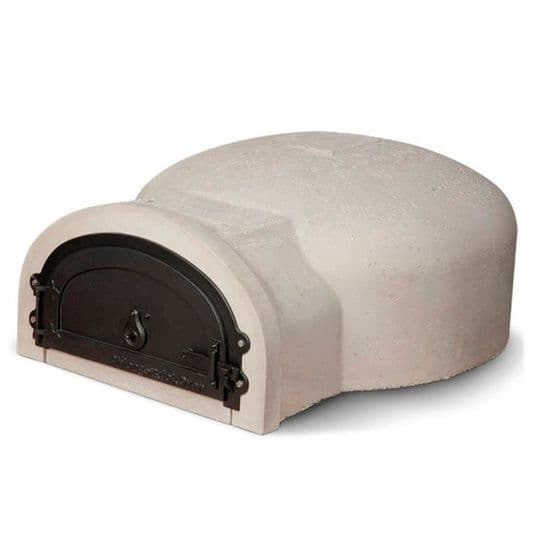
Chicago Brick Oven (CBO) is the most established American brand making Italian-style refractory pizza ovens. Their domes are cast from a refractory aggregate matched to traditional Italian formulations — high alumina, high thermal mass — and the cooking floor is FDA-rated cordierite stone. The result is an oven that reaches 900°F under wood and holds the floor temperature long enough to bake a Neapolitan pizza in 90 seconds. This guide walks through the three core sizes, the dual-fuel option, and the questions worth asking before you commit.
CBO-500: Countertop Format for Small Backyards
The CBO-500 is the brand's countertop unit — a 28-inch interior diameter dome that sits on any 30-inch or wider stable surface. Cooking floor fits a single 12-inch pizza at a time. The total footprint is about 38 inches wide by 32 inches deep including the chimney clearance. This is the right oven when the backyard doesn't have permanent footing for a full freestanding base, when you rent and want to take the oven with you, or when the kitchen plan needs a wood-fired oven on the bar countertop next to a built-in grill. Reaches operating temperature in about 45 minutes from cold.
CBO-750: The Flagship Size
The CBO-750 has a 38-inch interior dome and fits two 12-inch pizzas side by side. It's the brand's bestseller and the size most luxury outdoor kitchens spec. The 750 ships in three forms: the bare dome (you build the enclosure), the freestanding cart (powder-coated steel base, wheels optional), and the countertop unit (for built-in installs). Hits operating temperature in about 60 minutes from cold and holds floor temperature for 30+ minutes between bakes once the dome is fully soaked.
CBO-1000: When the Kitchen Is Commercial-Adjacent
The CBO-1000 has a 47-inch interior dome and fits three 12-inch pizzas at once or two 16-inch. This is the size restaurants order and the size a few luxury homes spec when entertaining capacity matters more than footprint. Heat-up time from cold is around 90 minutes; capacity is what you're buying. For most residential outdoor kitchens, the 750 hits the right balance; the 1000 is right when you regularly cook for 8+ guests and don't want to bake in batches.
Wood-Fired vs Dual-Fuel
CBO offers a gas-assist (dual-fuel) variant for the 750 and 1000. The gas burner is a U-shaped element mounted at the back of the cooking floor, fueled by natural gas or liquid propane. It preheats the dome in roughly half the time (30-35 minutes vs 60+) and holds temperature without adding wood through the cook. Choose dual-fuel when you want a quick midweek pizza without lighting a full wood fire; choose wood-only when the smoke-and-char character of a wood-fired bake is what you want every time. The dual-fuel models cost approximately 25% more than the equivalent wood-only.
Freestanding vs Built-In
Freestanding CBO ovens ship on a powder-coated steel cart with optional locking casters — easy to roll into a covered area off-season, easy to relocate. Built-in CBO ovens drop into a masonry or stainless steel enclosure you (or a mason) build to spec. Built-in installs need a structural concrete pad with at least 4 inches of insulation under the cooking floor, a 12-inch chimney clearance from any combustible material, and an enclosure depth that accommodates the dome plus 4 inches of insulation on the outer shell. Built-in is the right call when the oven sits permanently in a luxury outdoor kitchen; freestanding is the right call for portability or a phased build-out.
Installation Requirements + Site Prep
Every CBO needs three things before the oven arrives: a 4-inch (minimum) insulated cooking platform, a chimney clearance path with at least 12 inches to any combustible material at the smoke shelf, and either a gas line stub-out (dual-fuel) or proximity to dry hardwood storage (wood-only). For freestanding units, a level concrete or paver surface is enough. For built-in masonry, the mason needs the unit's spec sheet to size the enclosure correctly — CBO publishes detailed CAD diagrams for every model. Plan for 2-4 hours of mason labor for the freestanding-with-stone-veneer treatment; 1-3 days for a full masonry enclosure.
What CBO Doesn't Cook Well
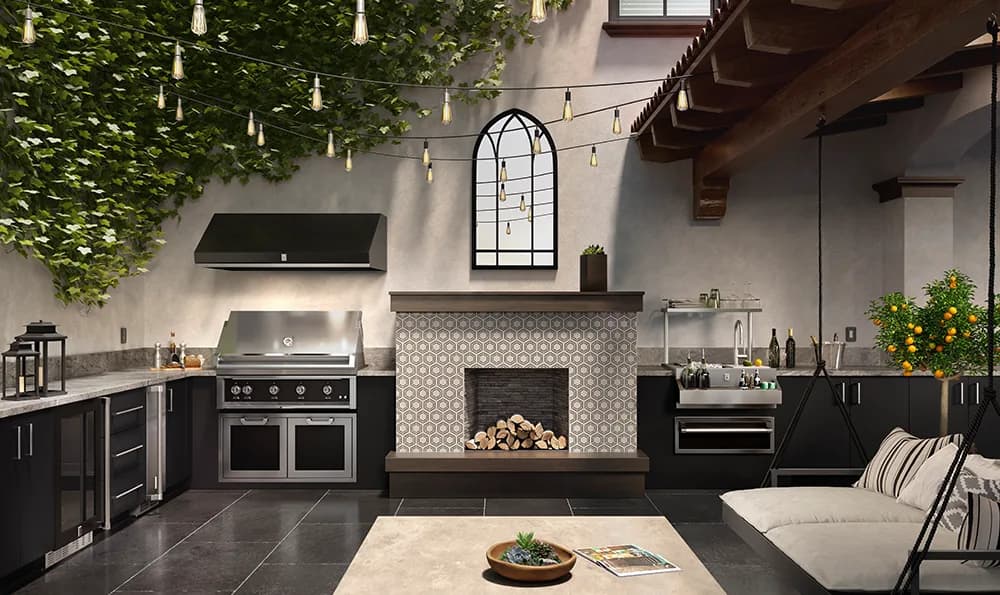
Wood-fired ovens are at their best with pizza, roasted vegetables, whole fish, and breads that benefit from a fast top-down heat. They are not a substitute for a low-and-slow smoker (the dome doesn't hold a 225°F target without heavy cycling) and they're not a substitute for a grill (you can grill steaks on the cooking floor but the technique is different and the cleanup is more involved). Spec a CBO as the third or fourth piece in an outdoor kitchen — grill, side burner, refrigeration, then the pizza oven — not as the only cooking surface.