Bull BBQ · Winterization
How to Winterize a Bull BBQ Gas Grill
Winterizing a Bull gas grill is four jobs: clean it, shut off and disconnect the fuel, protect the burners from pests and moisture, and cover it once it is cold. Plan on about 45 minutes, plus a few extra for Angus and Brahma models because of the infrared burner.
By Reed · Updated November 8, 2026
What you need
- Stiff stainless or brass grill brush
- Plastic putty knife or scraper
- Dish soap, warm water, and a soft sponge
- Microfiber cloths
- Non-chlorine stainless steel cleaner
- Cooking oil and paper towels
- Pipe cleaner or venturi brush
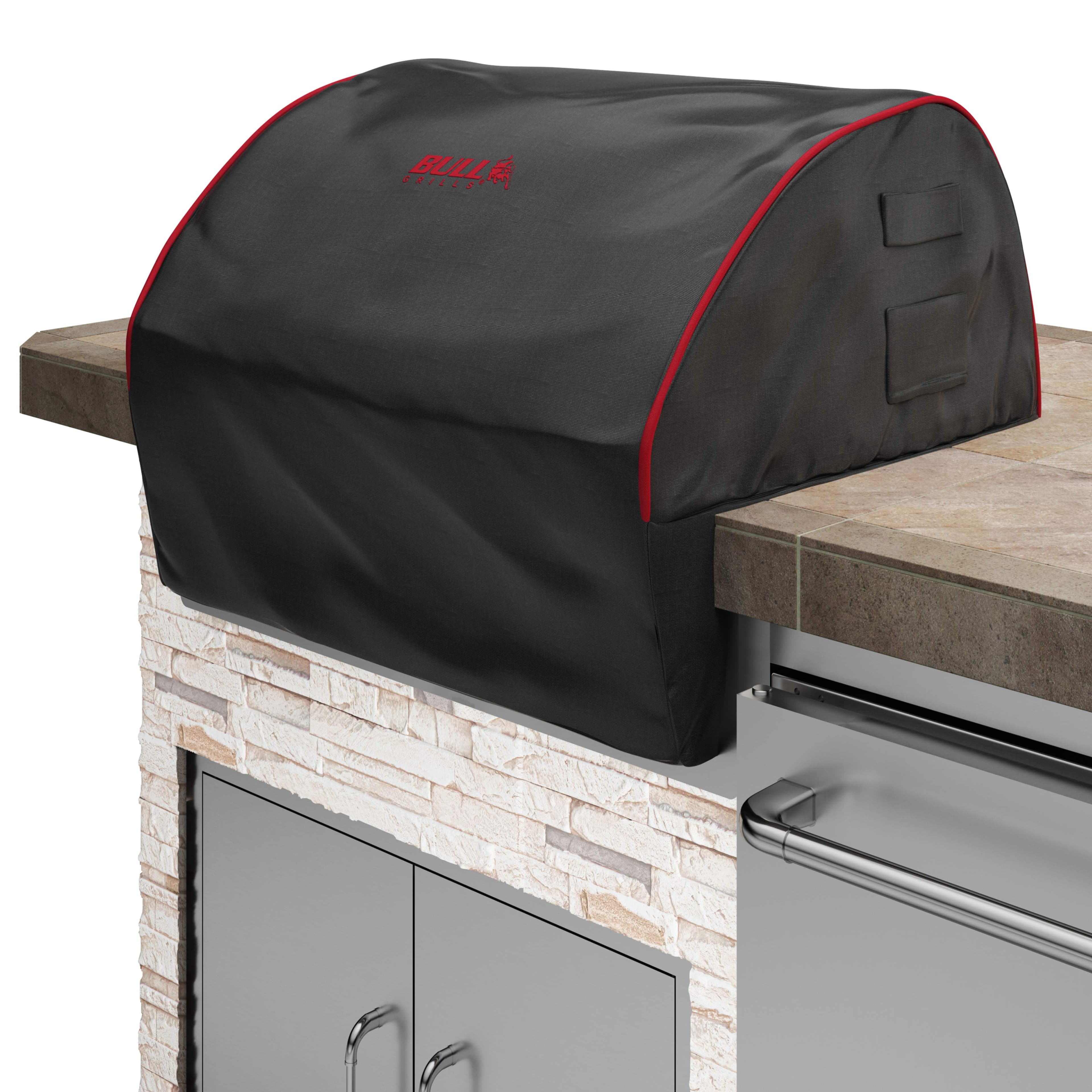
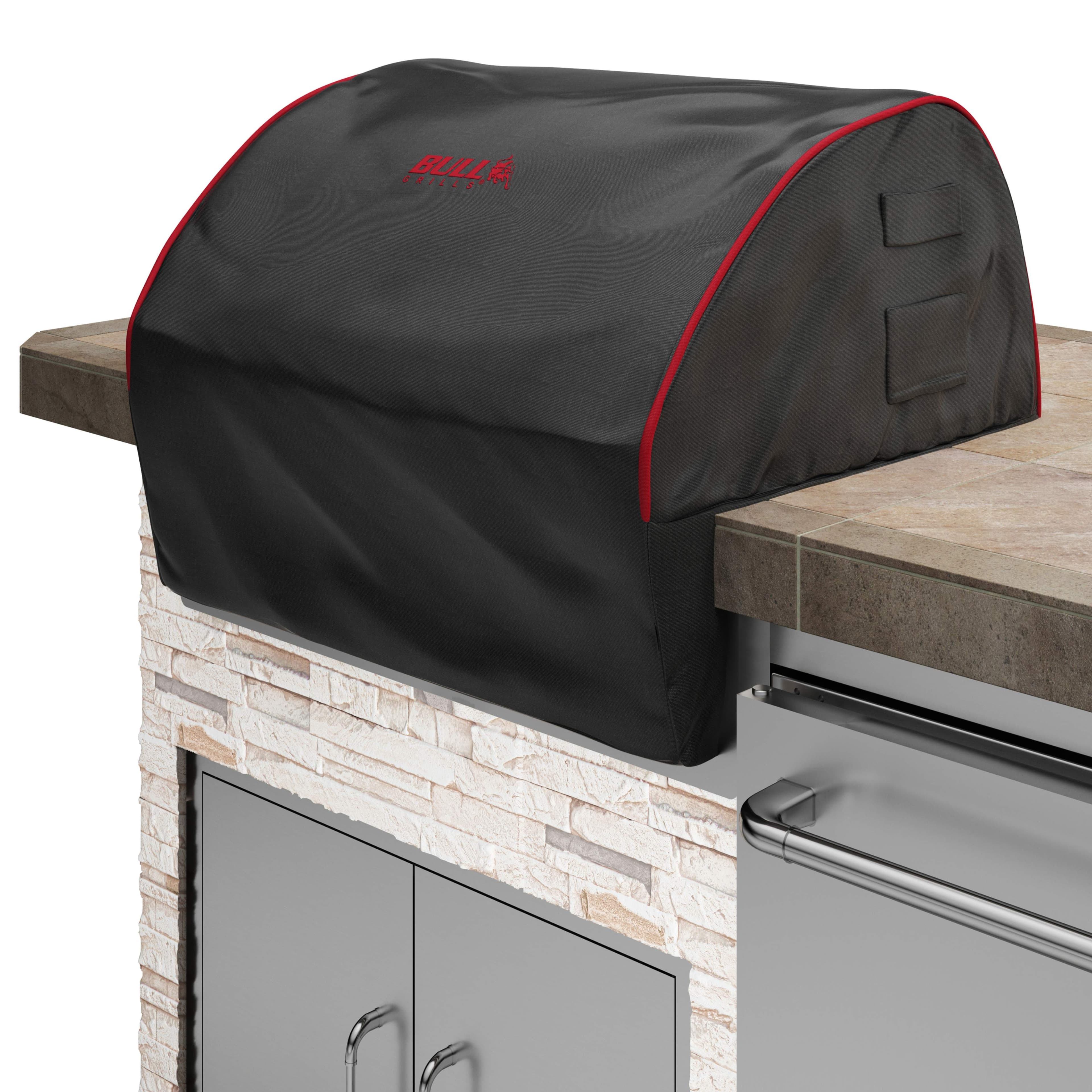
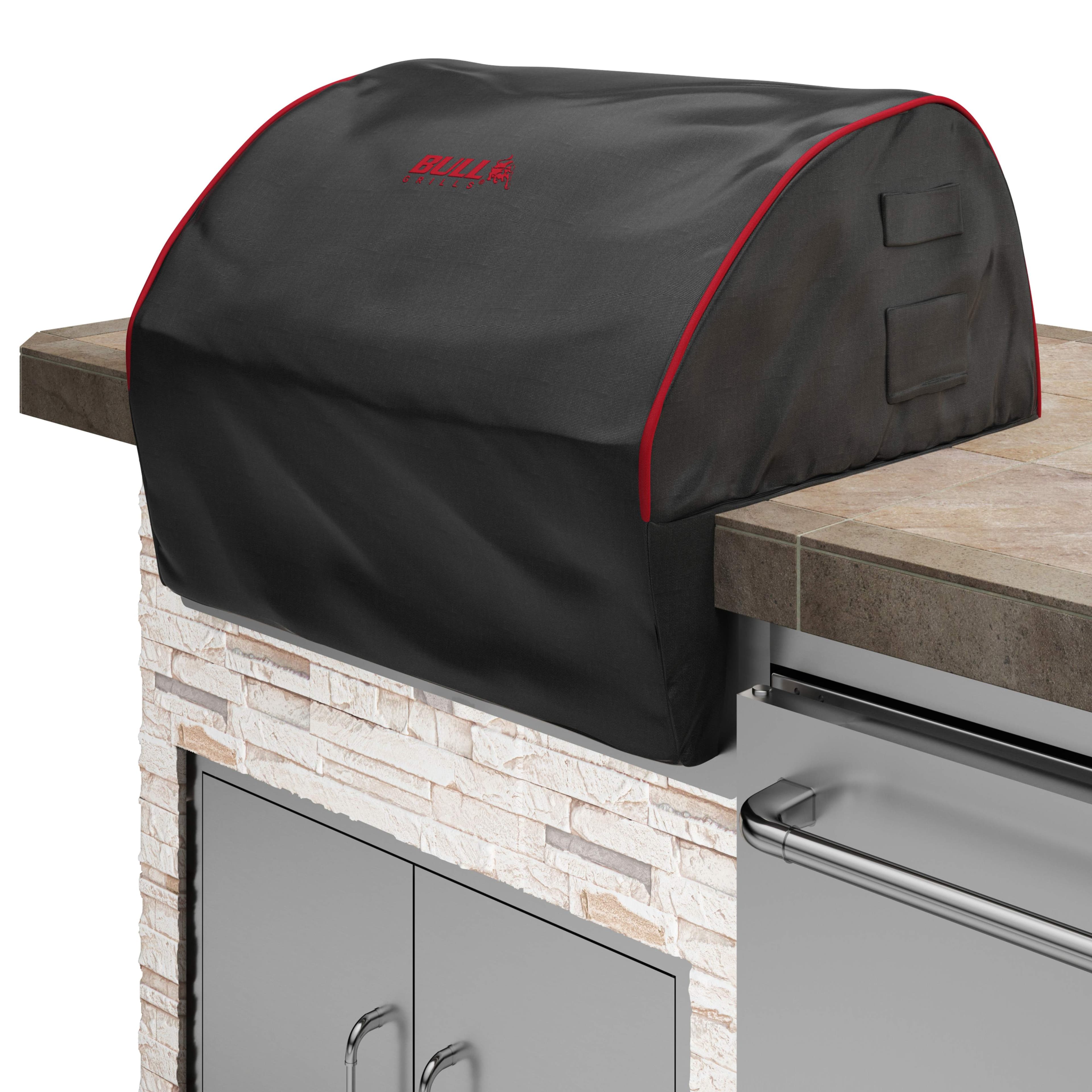
- Breathable, fitted Bull grill cover
- Work gloves
Step by step
Pick a dry day and run a burn-off
With the lid open and the grill still hooked up, run all main burners on high for 10 to 15 minutes to carbonize food debris. Leave the rear infrared burner off during burn-off on Angus and Brahma models — infrared elements don't need the long high-heat cycle and the ceramic emitter lasts longer if you treat it gently.
Clean the grates and cooking surfaces
Brush the grates, pull them out, wash in warm soapy water, rinse, and dry fully. Wipe stainless rod grates with a thin film of cooking oil before storage. Scrape the flame tamers and the inside of the hood, then wipe with a barely damp rag.
Empty and wash the grease management system
Pull the drip tray, scrape it, and wash both the tray and the grease cup with hot soapy water. Dry completely. A tray left full all winter will rust and will draw rodents that chew on gas hoses — do not skip this even if the tray looks relatively clean.
Brush the burners and check for nests
Once the grill is cold, brush the main burner tubes lengthwise and clear any blocked ports with a pipe cleaner. Shine a flashlight into each venturi tube and check for spider webs or insect nests. Bull's FAQ specifically cites blocked venturis as the leading cause of the weak or uneven flames people see in spring.
Shut off the fuel and burn off the line
Close the propane cylinder valve (or the natural gas shutoff at the supply line). Light the grill with the valve closed and let the burners run until they go out on their own — this consumes the gas trapped in the hose and regulator. Then turn every control knob to OFF.
Disconnect the cylinder or cap the supply line
For propane, unscrew the hose per the Bull owner's manual, fit the cylinder's dust cap or plug, and set the tank aside. For natural gas, leave the hard line alone and keep the shutoff valve closed. Bull specifically notes that gas conversions must be done by a licensed plumber — the same rule applies to any permanent supply-line disconnection.
Wipe the exterior and inspect the hose
Clean the hood and panels with warm soapy water, then finish with a non-chlorine stainless cleaner wiped with the grain. Flex the gas hose and look for cracks, brittleness, or rubbed spots. Replace anything questionable before storage — it is far easier to buy a hose in November than track one down in April.
Cover the grill once it is completely cold
Put a breathable, fitted Bull cover on only after the grill is cold and dry. If you own an Angus, Lonestar Select, or Outlaw, use the 30-inch cover; a Brahma takes the 38-inch; a Steer Premium takes the 24-inch. Pop the igniter battery out if your model uses one. Move the grill itself into a garage or covered patio only after the cylinder is disconnected and stored outside.
Hands-on tips
- If this is the only deep clean you do all year, do it right before storage. A clean grill stored dry ages better than any amount of spring cleaning will fix.
- In spring, run the soapy-water leak check before you light the first cook. Bubbles mean a leak and a trip to the parts list.
- Write the deep-clean date on a piece of tape stuck inside the cover — it is easier to remember what year you last touched the regulator than you think.
Questions people ask
Do I need to winterize a Bull grill if I use it all winter?
No. If you cook year-round, keep up with regular cleaning and a tank-swap routine, but if the grill will sit for a month or more in freezing wet weather, the 45-minute shutdown is worth it.
Can I leave the propane tank hooked up over winter?
Disconnecting is the safer default. Most grill manufacturers, Bull included, recommend closing the cylinder valve, disconnecting the hose, and storing the tank upright outdoors through the off season.
Can my Bull grill stay outside in the winter uncovered?
The stainless construction tolerates weather, but moisture collects on the cook box floor, burners, and electronics and causes rust and ignitor failures. A fitted Bull cover is worth the money — even a basic one extends the surface finish by years.
How do I winterize a natural gas Bull grill?
Clean the grill, close the natural gas shutoff valve at your supply line, burn off the gas left in the hose, and cover it. Leave the permanent hard line alone — Bull's own guidance is that any gas-line work must be done by a licensed plumber.
Which Bull cover fits my grill?
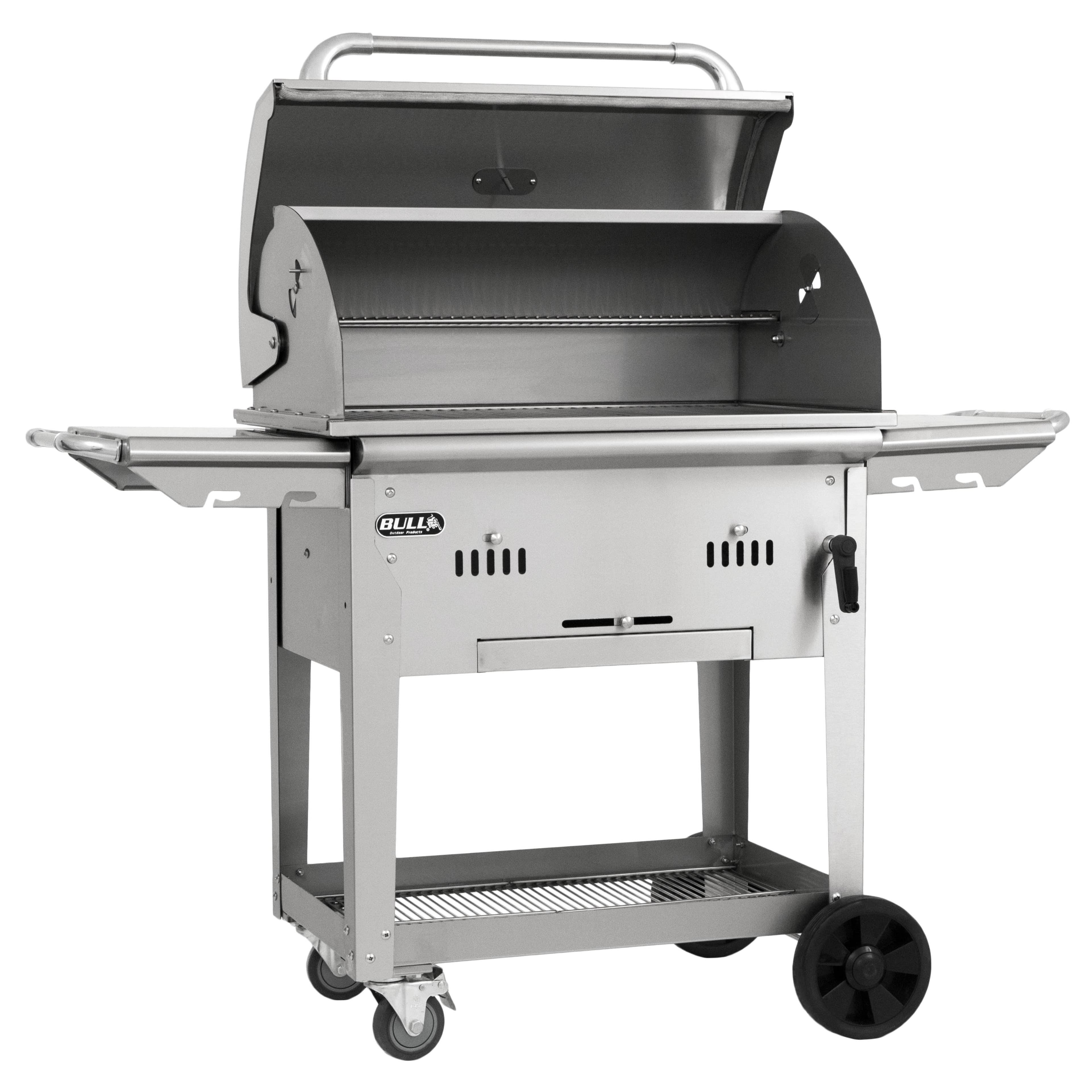
The 30-inch premium cover fits the Angus, Lonestar Select, and Outlaw. The 38-inch fits the Brahma. The 24-inch fits the Steer and Steer Premium. The Bison charcoal and the freestanding griddles have their own fitted covers — the built-in cover and freestanding cover are not interchangeable because of the cart cutouts.
Was this guide helpful?
Shopping for Bull BBQ?
See Bull BBQ products