Bull BBQ · Installation
How to Install a Bull BBQ Angus 30-Inch Built-In Grill
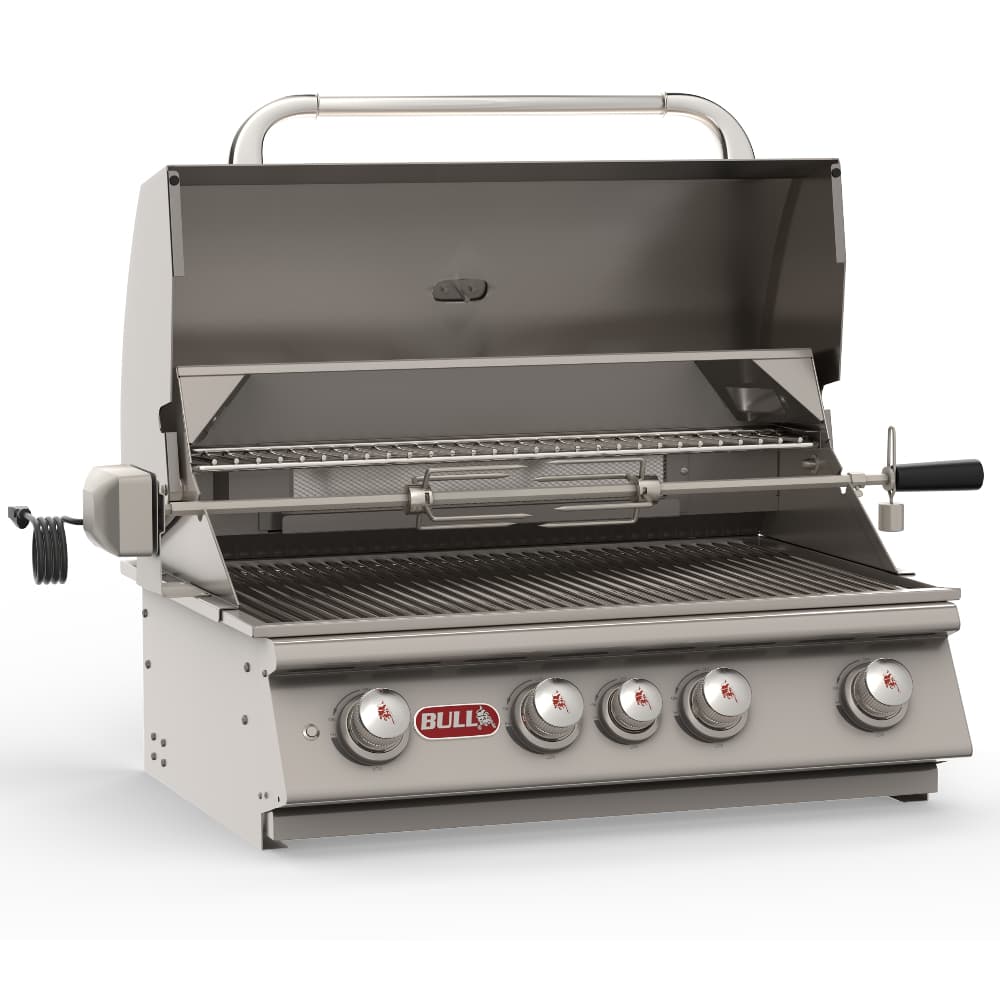
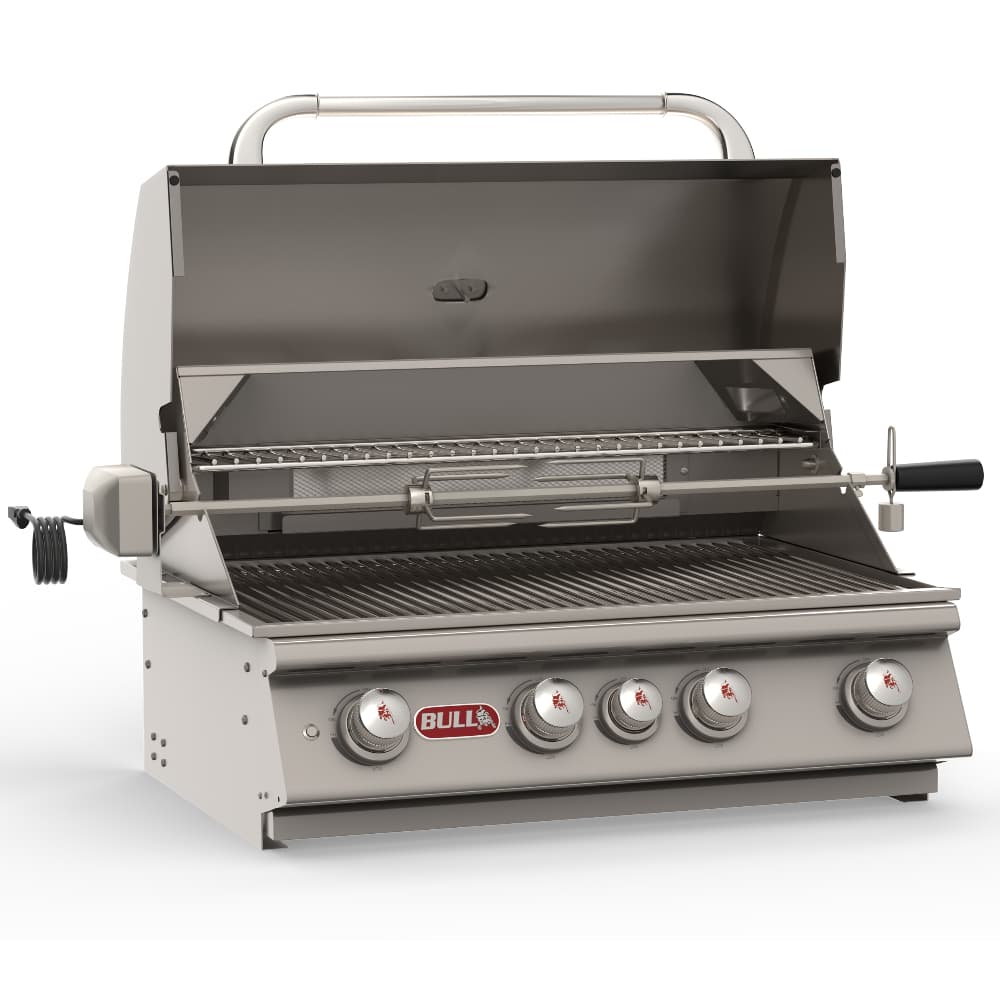
The Bull Angus 30 drops into a 30 1/4-inch cutout with 1/8-inch side clearance and a specific gas-line sizing. First-time installers trip on venting and insulated-jacket requirements — plan on 2-3 hours with a helper and a gas-rated inspector sign-off for the final hookup.
By Reed · Updated November 8, 2026
What you need
- Tape measure + level
- Drill with 3/8" masonry bit (if cutting stone)
- Phillips + 3/8" nut driver
- Pipe wrench + adjustable wrench
- Teflon tape (yellow, gas-rated)
- Soapy water in a spray bottle for leak test
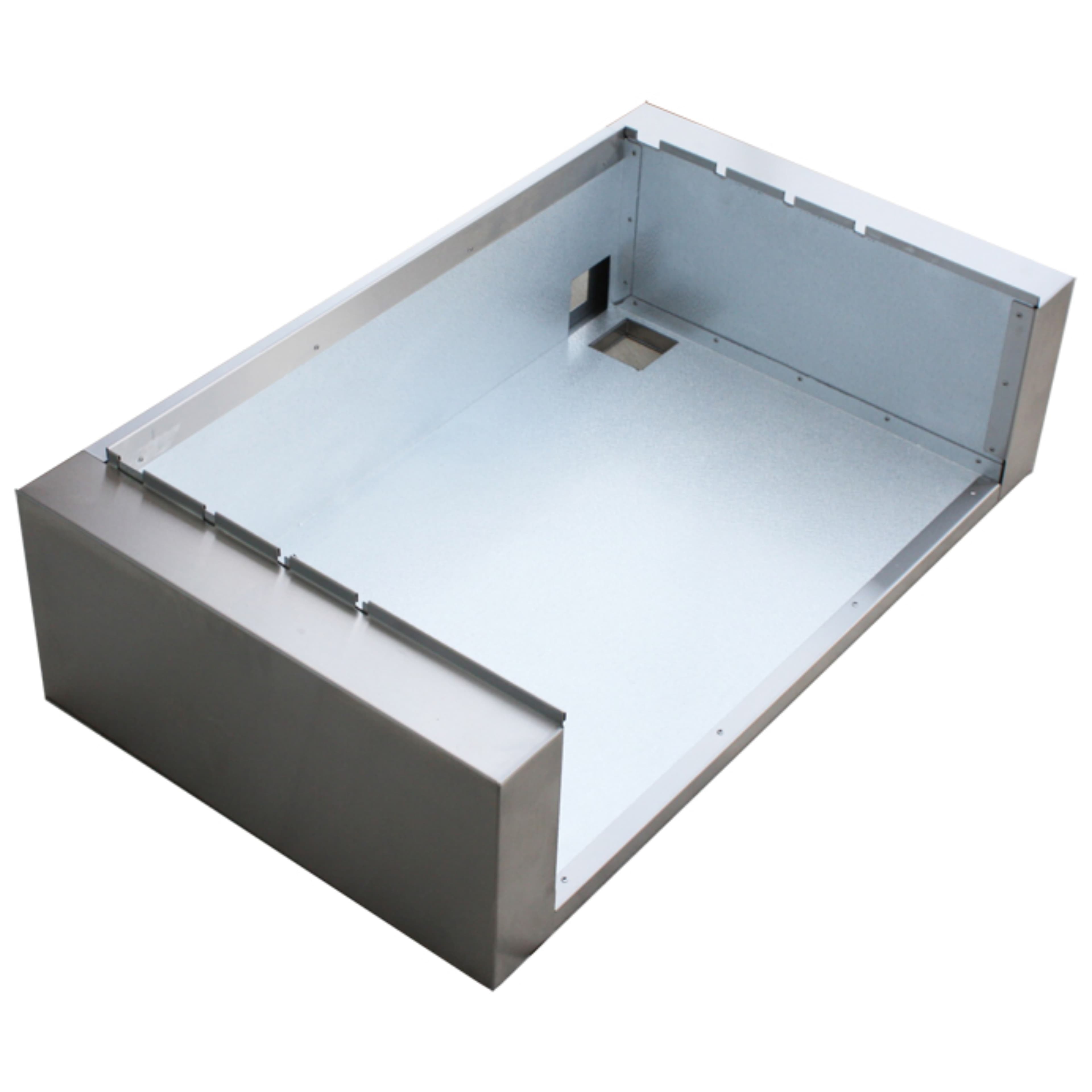
- Insulated jacket (30-inch, sold separately for combustible surrounds)
- Safety glasses + work gloves
Angus 30 Install Specs
- Cutout Width
- 30 1/4" minimum
- Cutout Depth
- 22 1/2" minimum
- Cutout Height
- 10 1/4" minimum
- Total BTU (main + rear IR)
- 75,000
- LP Gas Line
- 3/8" flex, QCC1
- NG Gas Line
- 1/2" NPT to sediment trap
- Insulated Jacket Required
- Yes, if combustible surround
Angus Model Codes
- Angus Built-In NG + IR
47628 / 57568 - Angus Built-In LP + IR
47629 / 57569 - 30" Insulated Jacket
24104
Step by step
Confirm the cutout matches 30 1/4" W × 22 1/2" D × 10 1/4" H
Measure the island cutout before unboxing. Bull's Angus 30 needs a minimum 30 1/4-inch wide × 22 1/2-inch deep × 10 1/4-inch tall opening. If the island was built by someone else, verify every dimension — undersized cutouts are the #1 install callback.
Run gas with correct line sizing
The Angus pulls 60,000 BTU plus 15,000 BTU for the rear IR burner — size the gas line accordingly. For LP, use a 3/8-inch flex line with a QCC1 connector. For NG, run 1/2-inch black pipe to a sediment trap, then a 1/2-inch flex connector to the grill. Teflon-tape all threaded joints with yellow (gas-rated) tape.
Seat the grill in the cutout with 1/8" side clearance
Lower the grill into the cutout with a helper. Bull leaves 1/8-inch per side intentionally — tight enough that the valve box doesn't shift, loose enough that thermal expansion doesn't bind the stainless. Don't caulk the sides; let the jacket (if required) or the control-panel flange do the sealing.
Connect gas + run a leak test
Hand-tighten, then wrench-snug every threaded joint. Open the main valve and spray every connection with soapy water. Any bubbles = backtrack and re-tape. No bubbles for 60 seconds = good connection.
First fire-up and burner balance check
With the lid open, ignite each burner one at a time on high. Each should light within 3 seconds and burn with a blue flame + minor yellow tips. If one burner lights late, pull its venturi and check for insect nests — this is a stored-outdoor-grill common cause. Close the lid, let it reach 500°F, then back off to 350°F and verify all burners hold steady.
Common mistakes
- Skipping the insulated jacket in a wood island. Composite decks + wood framing WILL char at the 180-200°F cook-box exterior temps. The jacket is a code item in combustible surrounds, not a cosmetic add-on.
- Running the gas line through tight bends. Flex lines can only bend to a 6-inch radius minimum. Tight bends restrict flow and void the gas-fitting warranty.
- Caulking the sides of the grill to the cutout. Thermal expansion needs the 1/8-inch gap. Caulking binds the stainless, cracks the bead within a season, and voids Bull's cook-box warranty.
Hands-on tips
- Snap a phone photo of your gas line sizing + leak-test results before closing the island. Insurance adjusters ask for this.
- Pre-fit the grill with the island EMPTY — stand it in the cutout without the gas hooked up to verify clearances. Saves a return trip.
- Label the sediment trap union with a date — Bull recommends draining it annually on NG systems.
- Keep the box with the original hardware + the install card. The warranty claim starts with the serial sticker inside the control panel.
Questions people ask
Can I install the Angus myself or do I need a licensed gas fitter?
Carpentry + grill-seating is DIY territory. The final gas connection — especially the NG run to the island — should be done by a licensed gas fitter in most US municipalities. Check your local code; some require a permit for ANY gas-line work.
What's the minimum overhead clearance?
Bull specs 24 inches of combustible-surface clearance above the grill (soffit, pergola crossbeam, etc.). For a non-combustible stone chimney surround, 16 inches is fine.
Can I convert the Angus from LP to NG after install?
Yes, Bull sells a conversion kit (orifices + regulator). We have a separate guide at /guides/bull-bbq/conversion-lp-to-ng that walks through it.
Was this guide helpful?
Shopping for Bull BBQ?
See Bull BBQ products