Bull BBQ · Maintenance
How to Clean and Maintain a Bull BBQ Grill
A Bull gas grill lasts decades if you brush the grates after every cook, clean the burners and flame tamers quarterly, and keep water away from the electronics. Plan on about 40 minutes for a deep clean, ten minutes for a quick post-cook wipe.
By Reed · Updated November 8, 2026
What you need
- Stiff stainless or brass grill brush
- Plastic putty knife or scraper (never metal on the cook box)
- Dish soap, warm water, and a soft sponge
- Microfiber cloths
- Non-chlorine stainless steel cleaner
- Cooking oil (for the grates)
- Pipe cleaner or thin venturi brush
- Shop vacuum (optional, for ash and debris)
Step by step
Burn off the grates while the grill is still hot
After you pull the last steak, close the lid and run every burner on high for 10 to 15 minutes. The carbon turns to ash, which is far easier to brush off than cooked-on grease. On Angus, Brahma, and Outlaw grills with a rear infrared burner, leave the infrared off — this step is only for the main tube burners.
Brush the grates with the grain
Let the grates cool to warm, not cold, and brush along the length of each rod instead of across. Bull's stainless rod grates respond well to a brass brush; if you see pitting or rust spots, swap to a bristle-free scraper and move on. Replace grill brushes every season to keep bristle shedding under control.
Pull the grates and flame tamers out
Lift the grates, then lift the stainless flame tamers (Bull calls them heat distribution plates on some models) straight up and out. Wash both in hot soapy water, rinse, and dry completely before reinstalling. A flame tamer caked in grease is a flare-up waiting to happen.
Vacuum or scrape the cook box floor
Scrape loose debris to the center of the cook box and vacuum or sweep it into the drip tray. Never spray water or degreaser into a hot cook box — the thermal shock can warp the stainless, and liquid that pools near the burner tubes rusts the orifices. Work dry, then wipe with a barely damp rag at the end.
Clean out the drip tray and empty the grease cup
Pull the drip tray from underneath, scrape it with a plastic putty knife, and wash with hot soapy water. Empty the grease cup into a sealed container and wipe it clean. Old grease is a rodent attractant and a fire risk, so this step belongs in your post-cook routine, not just the deep clean.
Brush the burner tubes and check the ports
With the grill cold, brush the main burner tubes lengthwise and clear any blocked ports with a pipe cleaner. Look inside each venturi tube with a flashlight — spider webs, insect nests, and food fragments all cause the weak or uneven flames that Bull's FAQ specifically calls out as the leading cause of temperature variation.
Wipe the exterior and polish the stainless
Finish with warm soapy water on the hood and front panel, then a non-chlorine stainless cleaner wiped with the grain. Bull hoods are 304-grade stainless on the Angus, Brahma, and Steer Premium lines, so standard stainless polish works — but chlorine-based cleaners will pit the surface. Dry with a microfiber to prevent water spots.
Hands-on tips
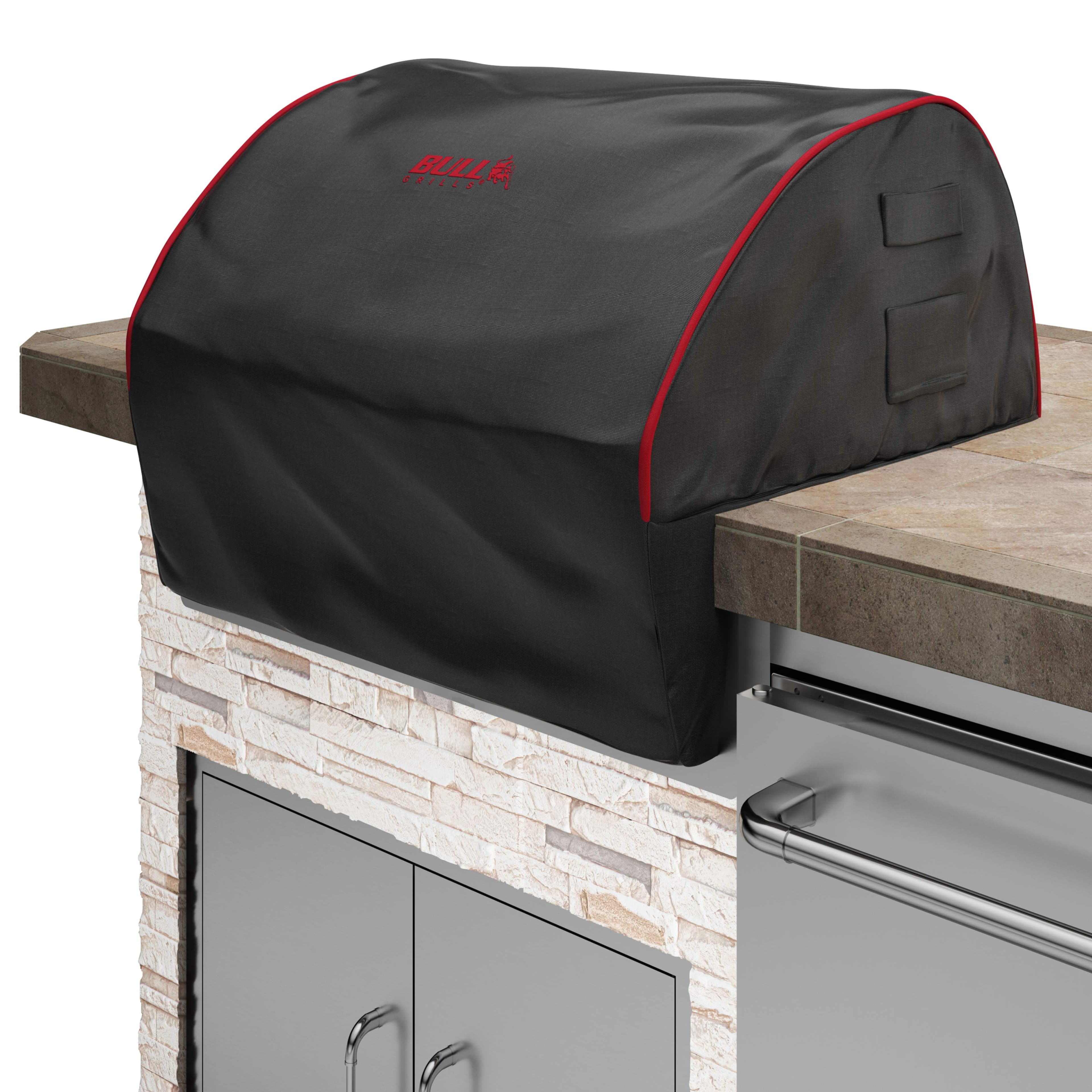
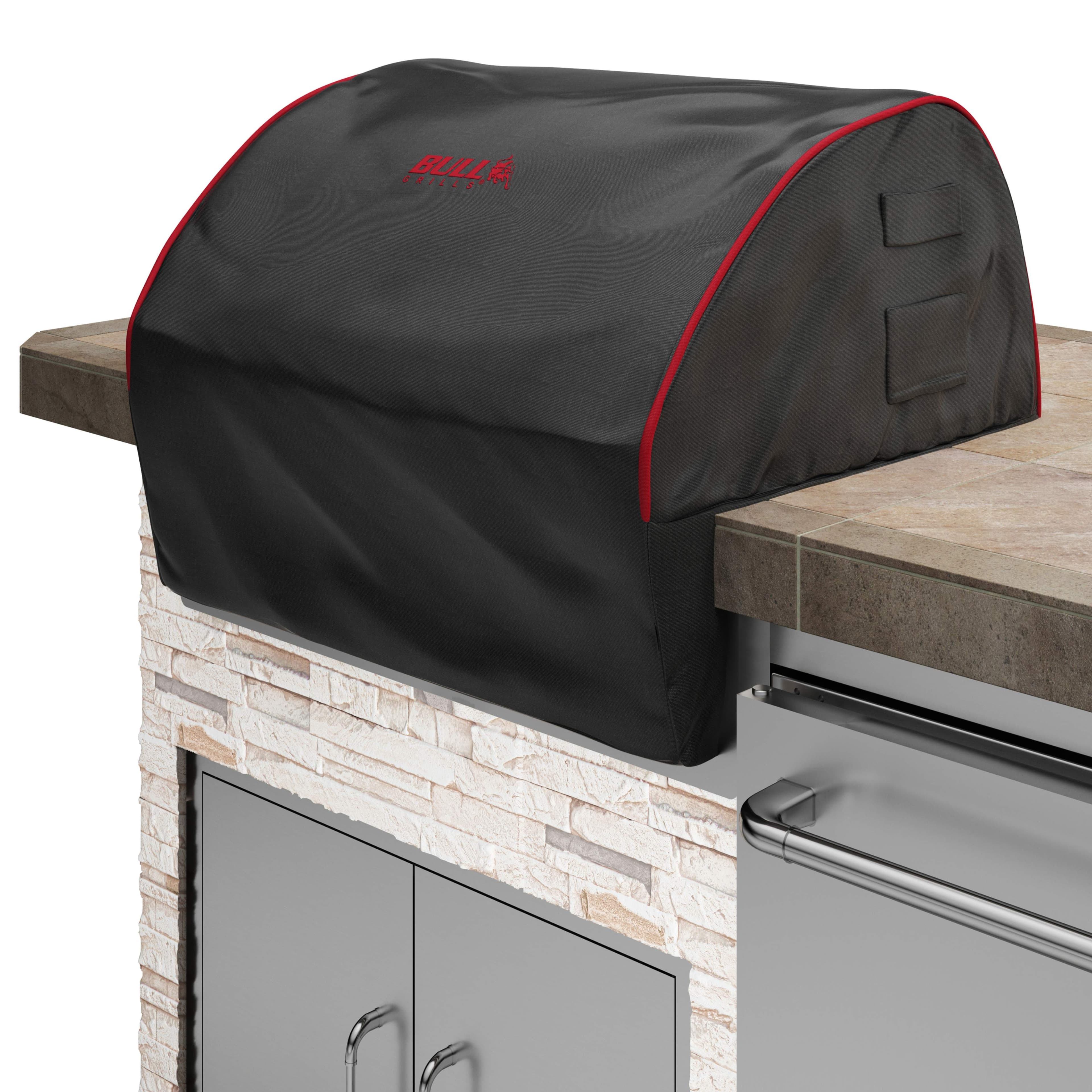
- Store a fitted Bull cover on the grill whenever it's cool and dry; the cover does more for the stainless than any cleaner.
- Run a soapy-water leak check on the hose and regulator every spring — if bubbles form, close the valve and replace the hose before you cook.
Questions people ask
How often should I deep clean my Bull grill?
Every three to four months for an everyday griller, or once a quarter plus a pre-season deep clean for a backyard cook. Quick post-cook brushing after every session covers the daily upkeep.
Can I put Bull grill grates in the dishwasher?
The stainless rod grates can go in the dishwasher if it fits, but Bull's cast iron and infrared-sear grates should not — dishwasher detergent strips the seasoning and accelerates corrosion. Wash cast iron by hand and re-oil immediately.
What causes uneven flames on my Bull burner?
Per Bull's own FAQ, the most common cause is blocked burner ports or venturi tubes — spider webs, insect nests, or carbon buildup. Brush the tubes lengthwise, clear the ports with a pipe cleaner, and check that the venturi sits flush on the valve stem.
How do I prevent rust on my Bull grill?
Keep moisture out — a fitted cover on the cool, dry grill does the most work. Dry the inside after cleaning, keep the grease cup empty, and polish the stainless exterior with a non-chlorine cleaner. Bull's FAQ recommends a mix of stainless polish and a breathable cover for outdoor storage.
Why are the knobs on my Bull grill hot to the touch?
Bull's FAQ names two causes: wind entering through the rear of the grill and pushing heat toward the knobs, which is usually not controllable, or a hidden fire inside the burners or near the valves. If the heat is unusual, shut the grill down and inspect the burner tubes before the next cook.
Was this guide helpful?
Shopping for Bull BBQ?
See Bull BBQ products