Bull BBQ · Buying Help
Bull Angus vs Bull Brahma: Which Built-In Grill Fits Your Kitchen
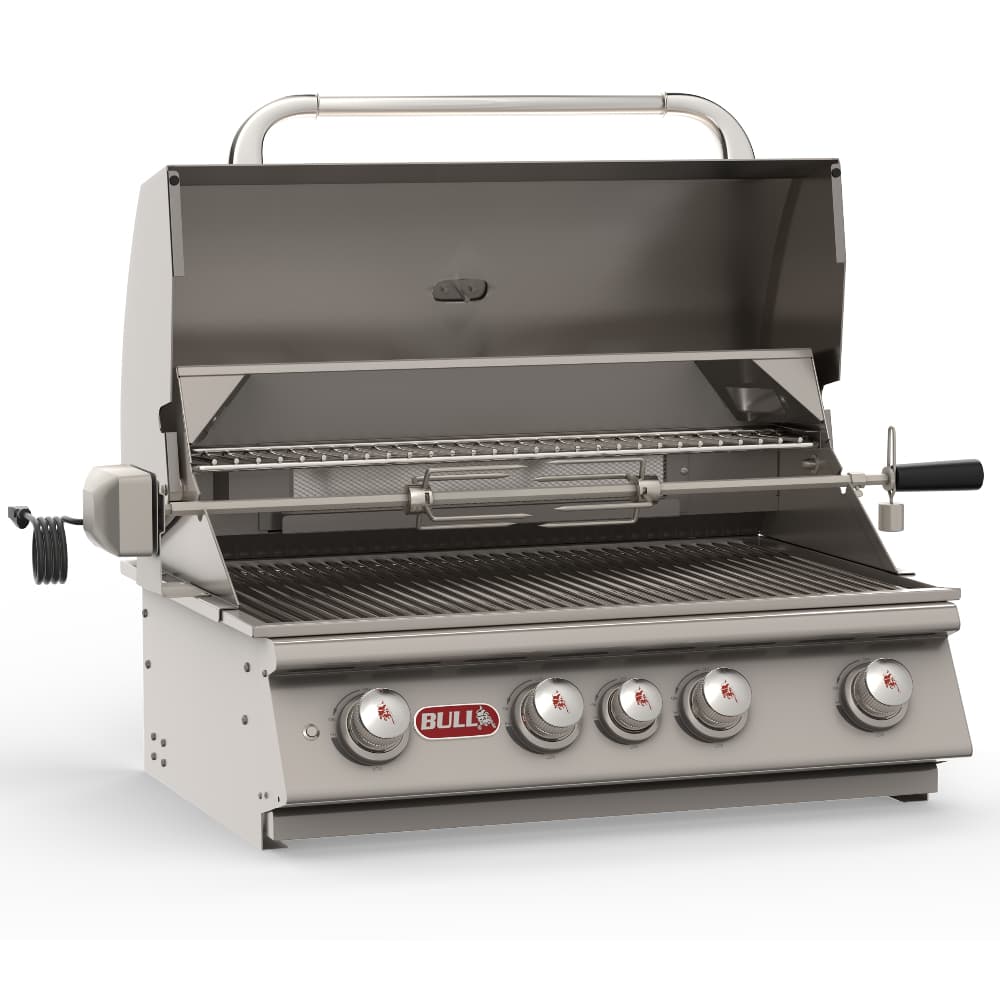
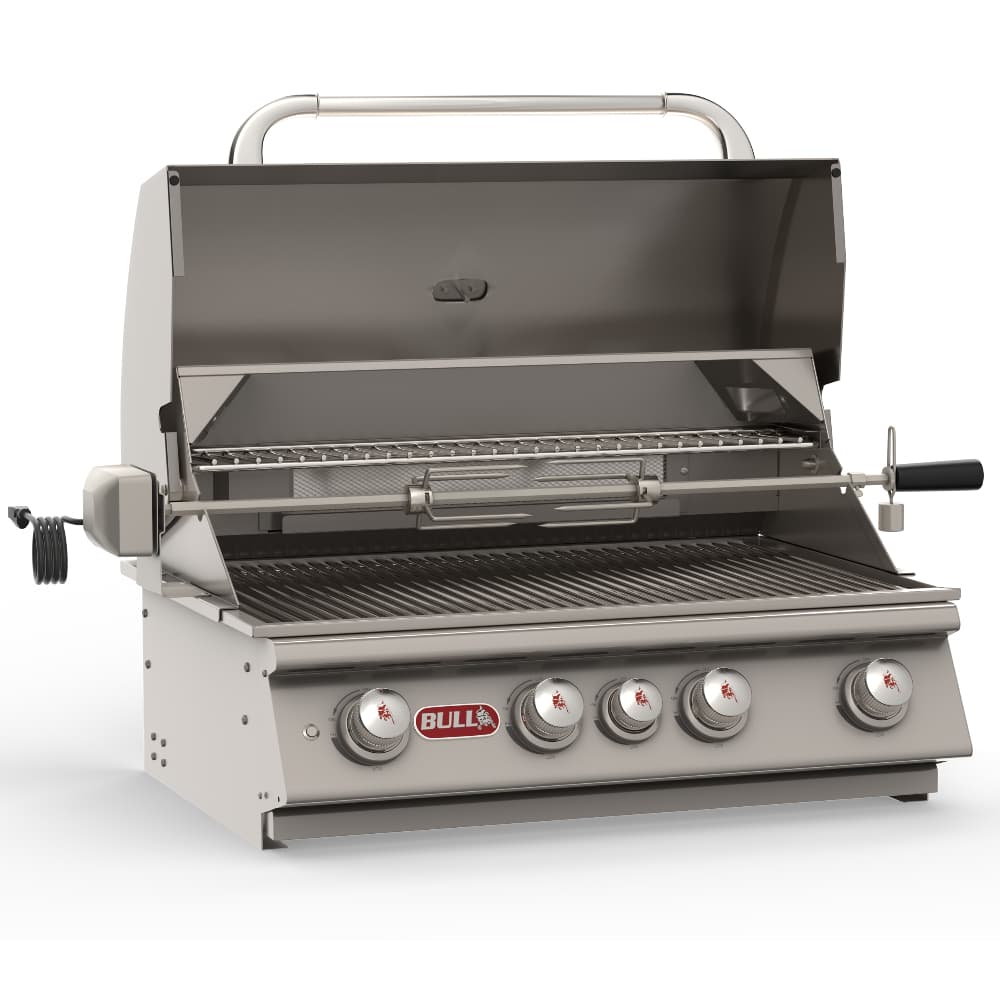
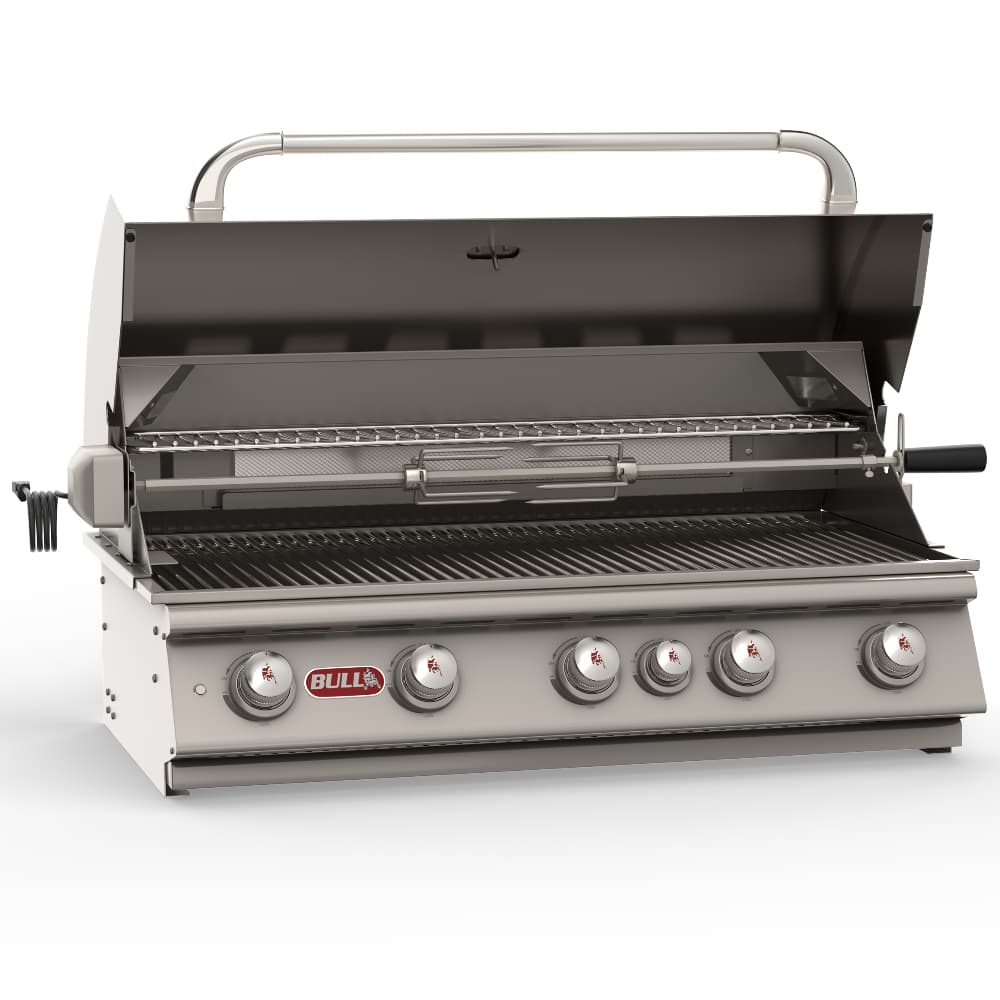
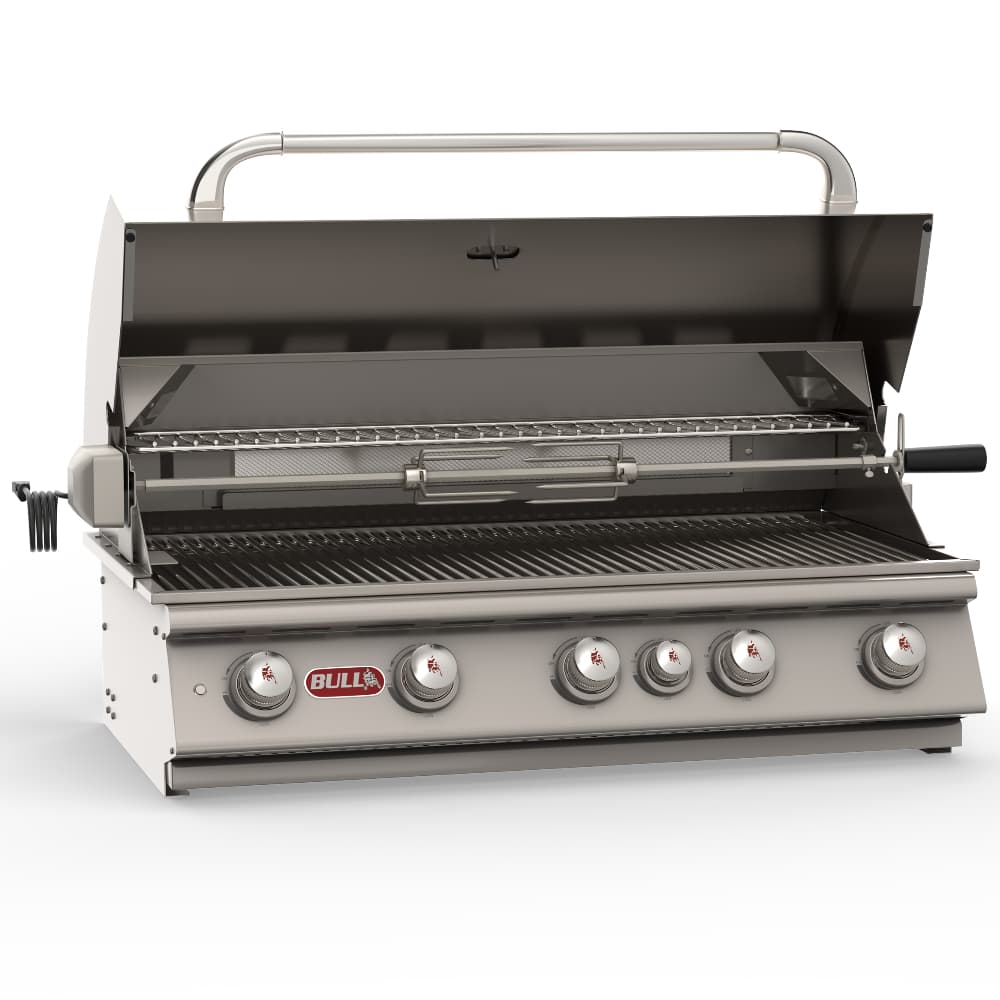
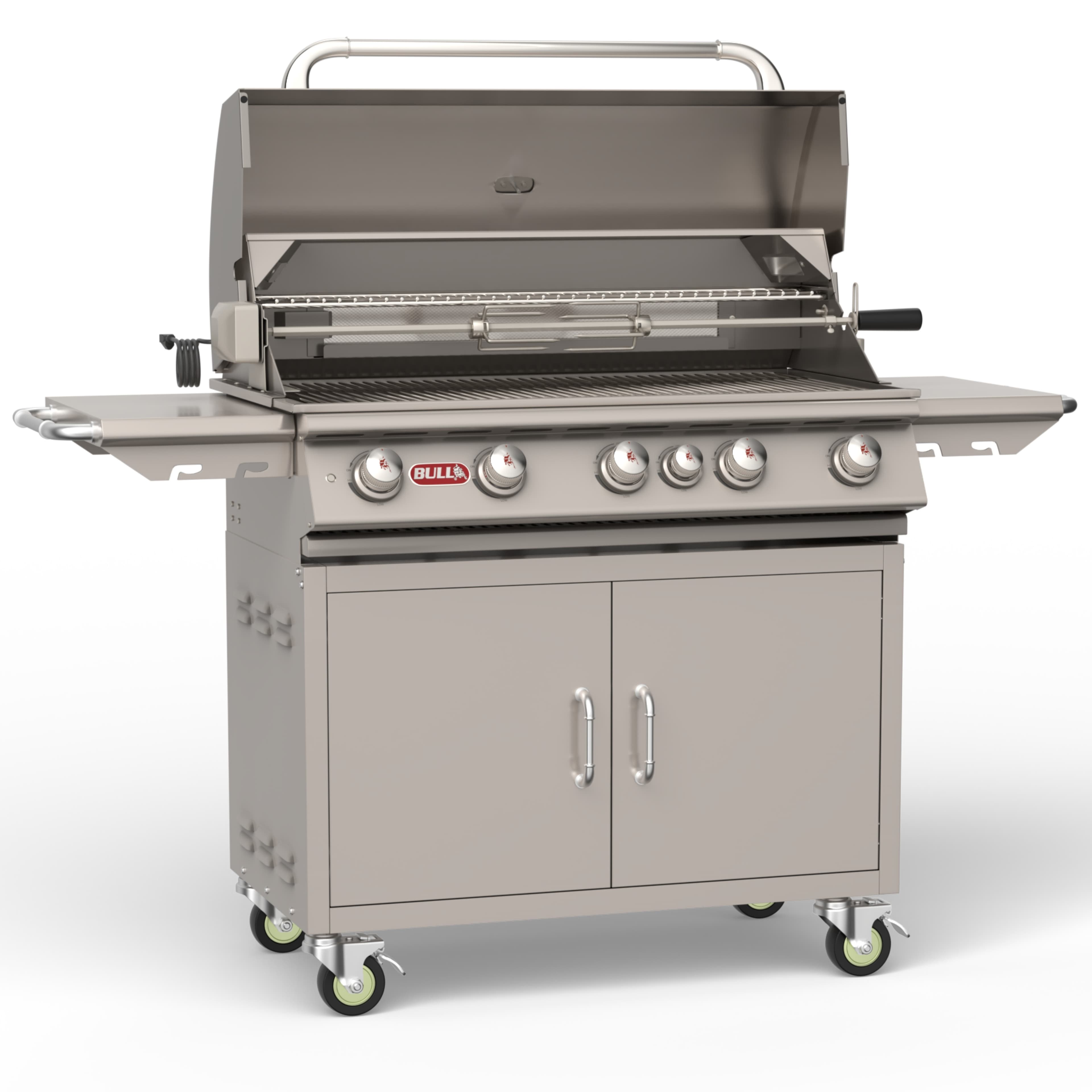
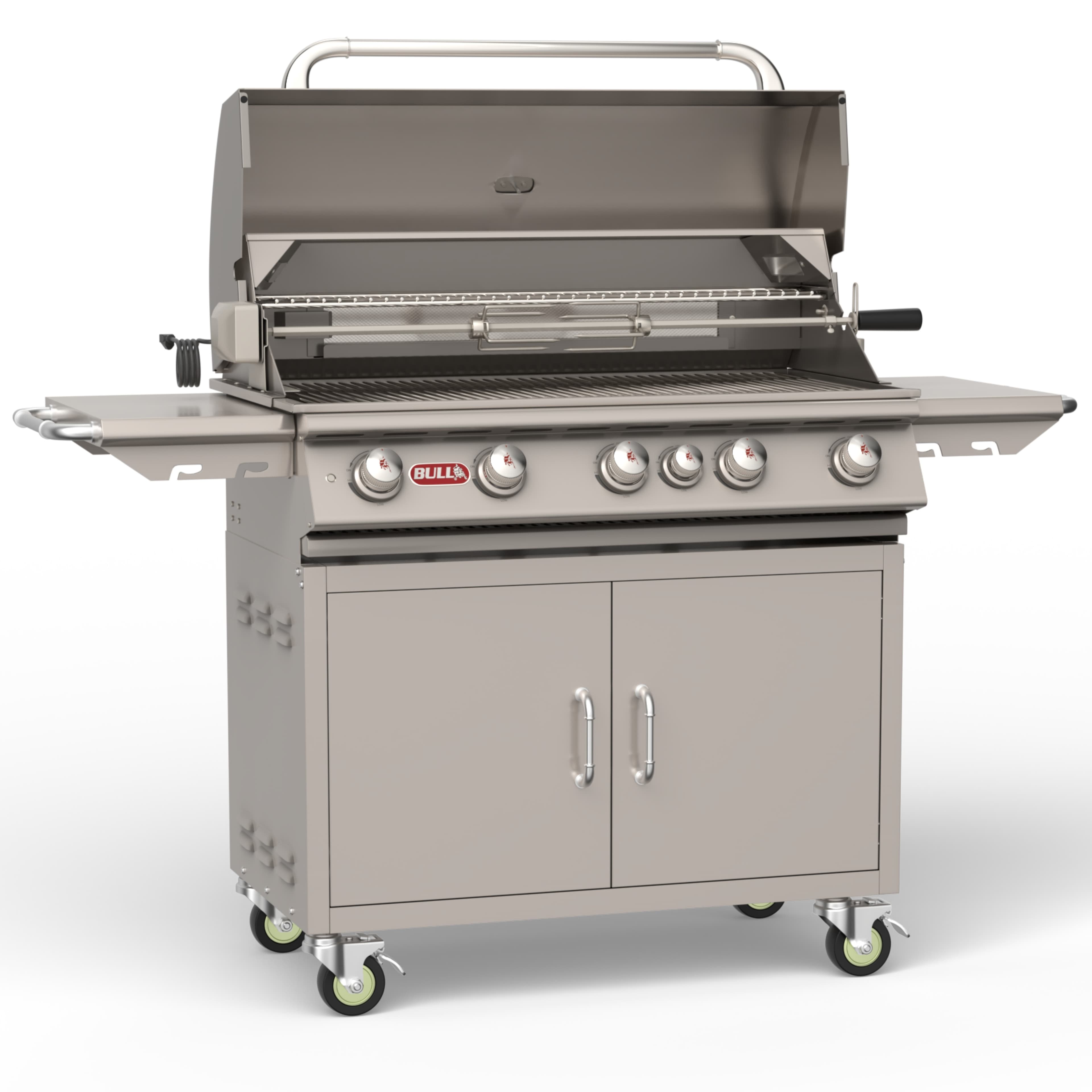
The Bull Angus is a 30-inch 4-burner grill built around a 760-square-inch cook surface and a rear infrared burner. The Brahma is 38 inches, 5 burners, and a 962-square-inch cook surface with the same rear infrared setup. The real decision is counter space, how many people you cook for, and whether you want the fifth burner's range.
By Reed · Updated November 8, 2026
What you need
- Tape measure (for countertop cutout)
- A rough feed count (how many people you grill for most weekends)
- Gas type confirmation (propane vs natural gas)
- Access to bullbbq.com/local-dealers for a hands-on side-by-side
Angus vs Brahma at a glance
- Bull Angus
- 30-inch built-in, 4 burners, 760 sq in cook surface, rear infrared burner
- Bull Brahma
- 38-inch built-in, 5 burners, 962 sq in cook surface, rear infrared burner
- Fuel
- Both come in propane and natural gas versions (not interchangeable without a Bull conversion kit installed by a licensed plumber)
- Insulated jacket
- Angus needs the 30-inch jacket, Brahma the 38-inch jacket, for built-ins in a combustible counter
Step by step
Measure the cutout before anything else
Bull's Angus is built around a 30-inch cutout; the Brahma needs 38 inches plus the surrounding clearances. Measure the cutout in your existing counter — or the available run in a new build — before you fall in love with either. The Brahma also sits deeper and taller, so vertical clearance under a hood or soffit matters as much as the width.
Count the people you actually feed
The Angus's 4-burner, 760-sq-in main surface handles 12 to 16 burgers at a time, which covers a family of four with frequent guests. The Brahma's 5-burner, 962-sq-in surface moves that to 20 to 24 burgers and gives you a true zone-cooking layout — two burners on sear, two on cook, one on low for keeping warm. If every weekend cook is six or more people, the Brahma earns the extra 8 inches.
Weigh the fifth burner's value
The Brahma's fifth burner is not a decorative add-on. It is what makes a true three-zone cook possible: a sear zone at the far left, a cook zone in the middle, and a low-hold zone at the right. The Angus can still do zone cooking with four burners, but the gradient is less distinct and you lose the dedicated hold zone for sides.
Compare the rear infrared burner setup
Both the Angus and the Brahma ship with a rear infrared burner for rotisserie cooking. The Brahma's longer firebox gives the rotisserie more room — a full prime rib or a larger spatchcocked turkey — while the Angus handles chickens and smaller roasts comfortably. If rotisserie is weekly, lean Brahma. If rotisserie is a holidays-only play, Angus is enough.
Match the gas type to your yard
Both grills come in propane and natural gas versions. A natural gas install requires a licensed plumber and a hard-line connection; propane runs off a standard 20-pound cylinder in the cart or a 40-pound cylinder in an outdoor-kitchen cabinet. Per Bull's FAQ, the two versions are not interchangeable without a Bull conversion kit installed by a licensed plumber.
Budget for the cover and jacket at purchase
A built-in Angus in a combustible counter also needs the 30-inch insulated jacket; a built-in Brahma needs the 38-inch jacket. A freestanding Angus or Brahma on its own cart skips the jacket but still wants a fitted cover in the correct size and mount type. Factor both into the all-in budget, not just the grill price.
Hands-on tips
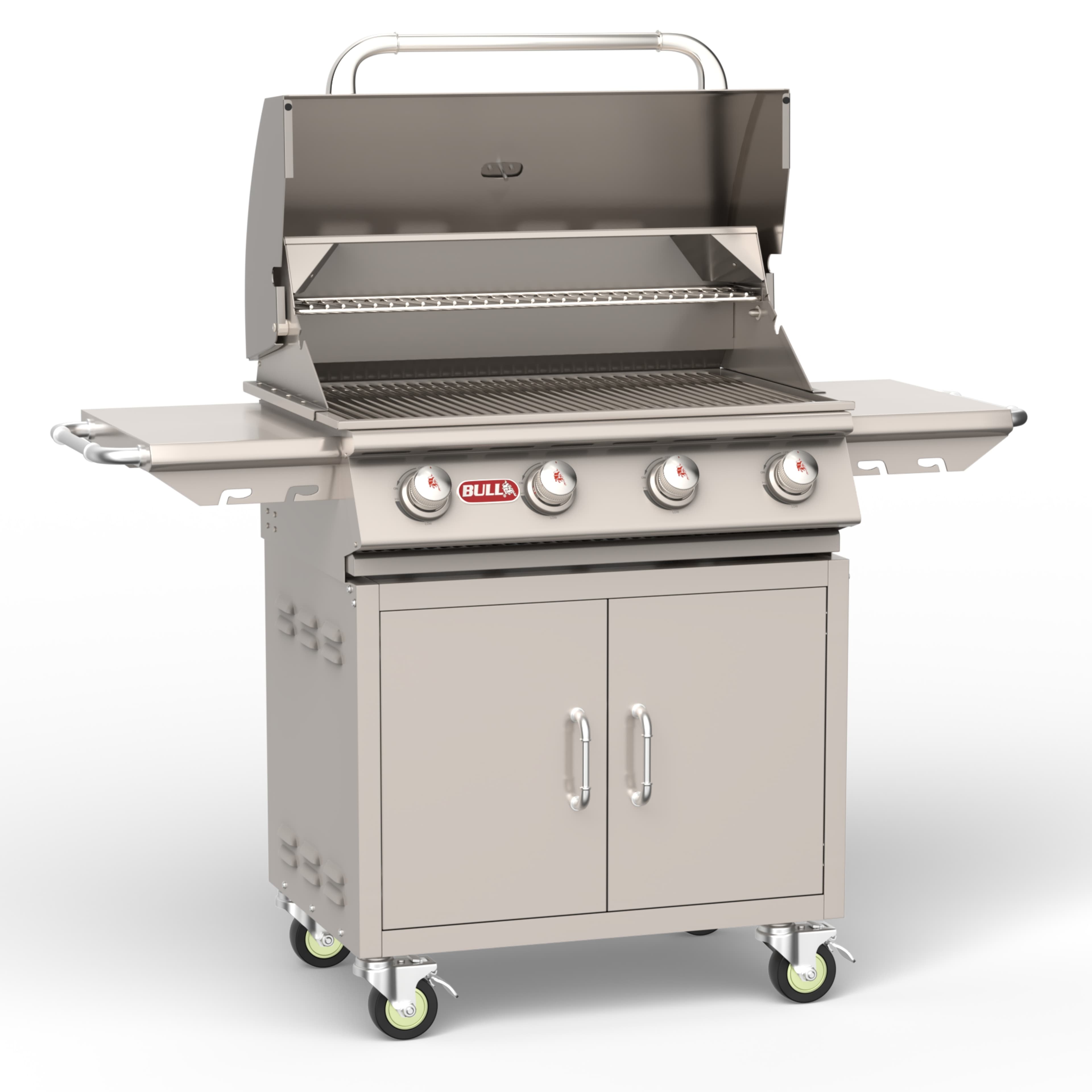
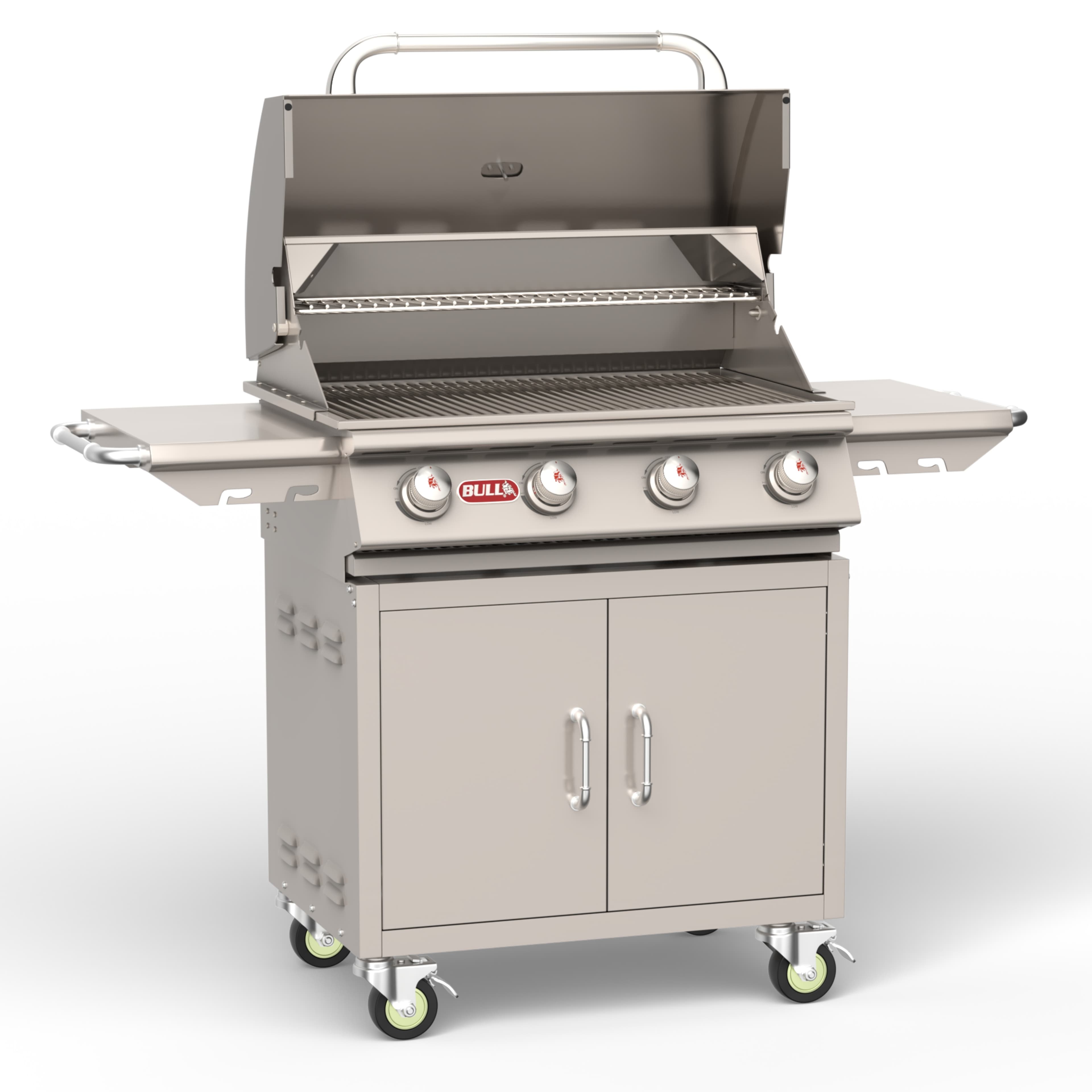
- Freestanding carts move; built-ins don't. If you rent or expect to move within 3 to 5 years, the freestanding version of either model keeps the investment portable.
Questions people ask
Is the Bull Brahma worth the extra money over the Angus?
If you cook for six or more people most weekends, use rotisserie regularly, or want distinct three-zone cooking, the Brahma earns the premium. For a family of four with occasional guests, the Angus delivers the same build quality in a 30-inch footprint that fits more counters.
What's the difference in cook surface between the Angus and Brahma?
The Angus runs a 760-square-inch total cook surface across 4 burners; the Brahma expands that to 962 square inches across 5 burners. In practice: 12 to 16 burgers on the Angus, 20 to 24 on the Brahma.
Do both Bull Angus and Brahma come with an infrared burner?
Yes — both models include a rear infrared burner for rotisserie. The Brahma's longer firebox accommodates a bigger rotisserie load, but the setup is the same on both.
Can I install either grill in a built-in outdoor kitchen?
Yes. Both come in built-in versions with matching cutout specs and both require the correct insulated jacket (30-inch for Angus, 38-inch for Brahma) when installed in a combustible countertop. Freestanding cart versions of both also exist if you do not have a surround.
Which Bull grill is quieter about fuel — Angus or Brahma?
The Angus pulls fewer BTUs at full output because it has one fewer burner, so a 20-pound propane tank lasts longer. The Brahma uses more fuel at the same relative heat, which is the trade for the extra cook area and the three-zone layout.
Was this guide helpful?
Shopping for Bull BBQ?
See Bull BBQ products