
Summerset · Maintenance
How to Clean and Maintain a Summerset Grill
A Summerset grill is built in Huntington Beach, California to a stainless-steel standard that rewards a steady cleaning cadence more than any harsh chemical. Brush the grates after every cook, pull the heat distribution plates every three or four cooks, and keep the LED knob housings dry. Plan on about 40 minutes for a quarterly deep clean.
By Reed · Updated November 8, 2026
What you need
- Soft brass or stainless grill brush (never a bristle-shedding wire brush on the enclosure)
- Plastic putty knife or scraper
- Dish soap, warm water, and a soft sponge
- Microfiber cloths
- Non-chlorine stainless steel cleaner (chlorine attacks 304 stainless)
- Cooking oil for grates
- Pipe cleaner or venturi brush
- Shop vacuum (optional) for ash and debris
Recommended cleaning cadence
- Post-cook
- High-heat burn-off + wire-free brush
- Every 3-4 cooks
- Pull and wash heat distribution plates
- Monthly
- Drip tray + grease cup + venturi inspection
- Quarterly
- Full deep clean (this article)
- Pre-season
- Leak check + stainless polish + burn-off
Step by step
Run a burn-off while the grill is still hot
After the last cook, close the lid and run every main burner on high for 10 to 15 minutes. The carbon turns to ash and brushes off in seconds instead of needing a soak. On TRL Pro and Sizzler Pro grills with the backlit LED knob rail, this is also the step that keeps grease from creeping into the knob stems — the dry carbon sheds, wet grease seeps.
Brush the grates with the grain
Let the grates cool to warm, not cold, and brush along the length of each rod rather than across. Summerset uses stainless rod grates across the TRL Pro, Sizzler Pro, Sizzler, and Quest lines, so a brass or stainless brush is the right choice — a wire brush that sheds bristles is the hidden hazard, not the grate finish. Replace the brush every season.
Pull the grates and heat distribution plates
Lift the grates, then lift the heat distribution plates (Summerset's term for flame tamers — they sit loose on the burner frame, straight up and out). Wash both in hot soapy water, rinse, and dry completely before reinstalling. A plate caked in grease is a flare-up waiting to happen and the cause of most 'uneven flame' complaints people blame on a regulator.
Scrape the cook box floor
Scrape loose debris to the center of the cook box and vacuum or sweep it into the drip tray. Never spray water or degreaser into a hot cook box — thermal shock warps 304 stainless, and standing liquid near the burner tubes rusts the orifices. Work dry, then wipe with a barely damp rag at the end.
Pull and wash the drip tray
Slide the full-width drip tray out from under the cook box, scrape it, and wash it in hot soapy water. Current Summerset grills use a disposable grease cup that drops into the drip tray on most built-in models — swap the cup when it is more than half full. Old grease is a fire risk and attracts pests, so this belongs in the weekly rhythm, not the quarterly clean.
Brush the burner tubes and inspect the ports
With the grill cold, brush each main burner tube lengthwise and clear blocked ports with a pipe cleaner. Shine a flashlight into each venturi and look for spider webs or wasp nests — a venturi blockage mimics a bad regulator, and Summerset's troubleshooting guide names this as a common first-fire problem after a long off-season.
Polish the stainless with the grain
Finish with warm soapy water, then a non-chlorine stainless cleaner wiped with the grain of the brush finish on the hood, control panel, and face plate. Chlorine-based cleaners (including many 'stainless' sprays sold at big-box stores) pit the 304 stainless and void the Gold Standard Warranty — read the label before you spray.
Common mistakes
- Using chlorine-based stainless cleaner. A huge share of over-the-counter 'stainless' sprays are chlorine-based. On 304 stainless they leave pits that turn into rust spots that read as warranty damage. Summerset specifies non-chlorine cleaners — check the label every time.
- Pressure-washing the exterior. A pressure washer drives water into the knob stems, the LED harness on TRL Pro and Sizzler Pro, and the igniter housing. The electronics short, the knobs seize, and a 10-minute shortcut turns into a service visit. Soapy sponge plus a low-pressure garden-hose rinse is the ceiling.
- Leaving the propane tank on the cart over winter. A closed valve under residual pressure can latch the regulator into a bypass mode when temperatures swing. Burn the hose dry at season end so there is no residual pressure to trip the bypass when you first fire in spring.
- Running the sear burner for every cook. TRL Pro's dual-position infrared sear burner is designed for pre-sear and reverse-sear workflows, not as a main cooking burner. Running it for a full cook cycle overheats the backing plate and shortens its life — it is a flash burner, not a workhorse.
Hands-on tips
- Keep a dedicated pack of microfiber cloths for the grill — do not share with the kitchen, because cooking oils transfer between surfaces and can leave a greasy film on stainless.
- If the LED knobs on your TRL Pro or Sizzler Pro stop illuminating, check the 120V plug at the back first. The LED rail runs off house current, not battery — a tripped GFCI is the number-one 'my knobs died' call.
- On the Resort mobile grill, pop the propane tank out of the cart whenever it rolls more than a short distance. Loose tanks shear the hose fitting over a few bumps and the leak is invisible until first light-off.
- If your Summerset is installed in an outdoor kitchen island, run a soapy-water leak check at every union fitting at season start. The island hides most of the gas run — it is also the hardest place to notice a slow leak.
- Snap a photo of your grill's data plate (inside the left cabinet door on most built-ins) and store it in the same cloud folder as your receipt. The Gold Standard Warranty needs both for every claim.
- On the Griddle Pro, scrape the plate while it is still warm with a bench scraper, then wipe with a paper towel and a thin film of oil. A cold griddle plate is three times harder to clean and the seasoning cracks when you scrape cold.
Questions people ask
How often should I deep clean my Summerset grill?
Every three to four months for a weekly griller, plus a pre-season clean before the first spring cook. Quick post-cook brushing and a grease-cup swap when it is more than half full handle the daily upkeep.
Can I use oven cleaner inside my Summerset cook box?
No. Summerset's warranty excludes damage from chemical cleaners, and oven cleaner is the fastest way to pit 304 stainless. The right routine is a 15-minute burn-off on high, a plastic scraper, and warm soapy water.
What causes uneven flames on a Summerset burner?
The two usual causes are a heat distribution plate caked in grease that is throwing droplets back onto the flame, or a venturi tube blocked by a spider web or wasp nest. Pull the plates, brush the burner tubes, and check the ports before you call the regulator bad.
Can I put Summerset grates in the dishwasher?
The stainless rod grates will physically survive a cycle, but dishwasher detergent is alkaline and the dry cycle can leave water spots that are hard to buff out. Hand-washing with warm soapy water and drying immediately is the finish-preserving move.
Is pressure washing the outside of my Summerset safe?
No. Pressure water drives past knob stems, the LED harness on TRL Pro and Sizzler Pro, and the igniter housing. A soapy sponge plus a garden hose on low pressure is the ceiling. Dry immediately with a microfiber cloth.
Gear for your Summerset
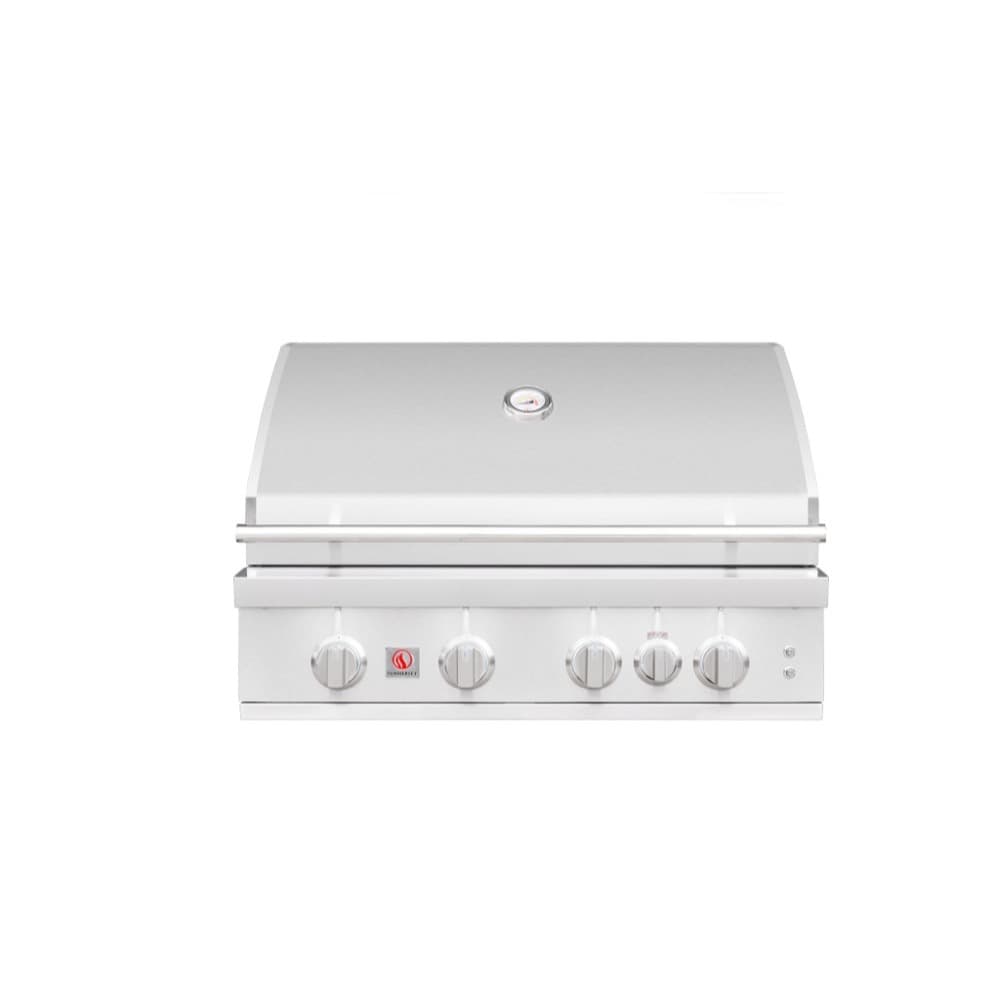
Summerset Grills Sizzler Pro 32-Inch 4-Burner Built-In Gas Grill with Rear Infrared Burner
Built-In Grills
From $2,799
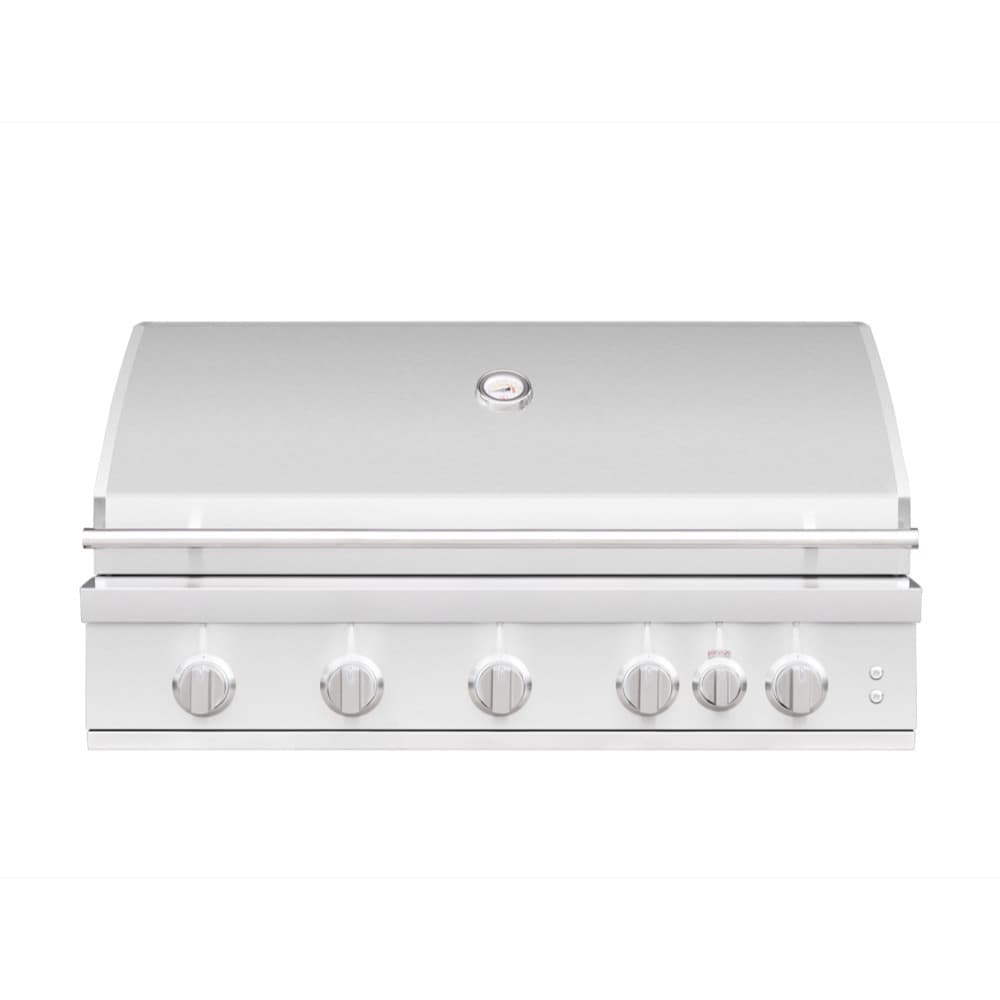
Summerset Grills Sizzler Pro 40-Inch 5-Burner Built-In Gas Grill with Rear Infrared Burner
Built-In Grills
From $3,199

Summerset Grills Pro Series 30-Inch 2-Burner Freestanding Gas Commercial Style Flat Top Griddle
Flat Top Griddles
From $3,548
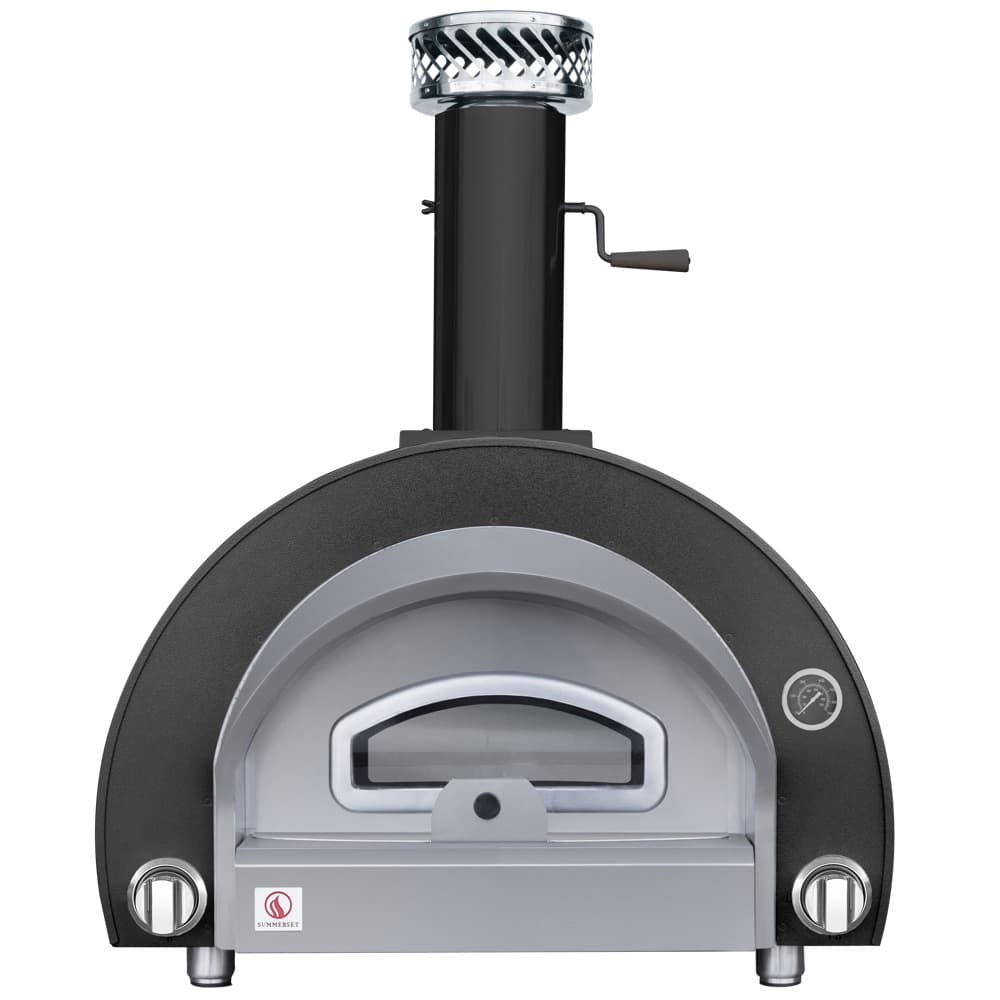
Summerset Grills Countertop Hybrid Gas & Wood-Fired Outdoor Pizza Oven
Outdoor Pizza Ovens
From $3,999
Was this guide helpful?
Shopping for Summerset?
See Summerset products