
Summerset · Maintenance
Summerset Griddle Plate Care, Seasoning, and Rust Recovery
A Summerset griddle plate is cold-rolled steel, not stainless — it depends on a layer of polymerized oil (seasoning) for its non-stick behavior and rust resistance. Daily care is scrape-wipe-oil while warm. Rust recovery from a neglected plate is a three-pass seasoning cycle, same as a brand-new plate.
By Reed · Updated November 8, 2026
What you need
- Bench scraper
- Paper towels
- High-smoke-point oil (flaxseed, grapeseed, or Crisco)
- Pumice stone or chainmail scrubber (rust recovery only)
Griddle plate care at a glance
- Daily post-cook
- 3 min scrape + wipe + oil
- Weekly deeper clean
- 10 min + spot reseason dull zones
- Rust recovery
- 30 min, pumice + 3-pass seasoning
- Off-season
- Heavy oil film + breathable cover
- Optimal oil
- Flaxseed, grapeseed, Crisco (420°F+ smoke point)
- Never use
- Olive oil (too low smoke point), soap, water
Step by step
Daily post-cook routine (3 minutes)
While the plate is still hot (not smoking, not room-temp), scrape debris to the grease well with a bench scraper. Wipe the surface with a dry paper towel. Pour a tablespoon of high-smoke-point oil on the plate and spread edge-to-edge with a wadded paper towel in the scraper. Let it cool.
Weekly deeper clean (10 minutes)
Scrape, wipe, and inspect the plate for dull or patchy zones. Apply a light oil film to any dull zones and run the burners for 5 minutes at 400°F. This spot-reseasons the patchy areas. Cool and oil as normal.
Rust recovery procedure (30 minutes)
If the plate has rust spots from neglect or an uncovered rain soak: scrape the rust aggressively with a pumice stone or chainmail scrubber. Wipe clean with a dry paper towel. Run the burners to 400°F, apply a tablespoon of oil, spread, wipe. Repeat the oil-spread-wipe cycle THREE times to re-establish the base seasoning. The plate is usable immediately but the seasoning will mature over the next 10 cooks.
Off-season storage
Scrape the plate while warm, wipe, apply a HEAVIER than usual oil film (two tablespoons spread across the plate), and cover with a breathable fitted cover. The heavy oil film is winter protection and will carbonize off during the first spring cook.
Common mistakes
- Soap and water for 'deep clean'. Destroys the seasoning layer every time. The rust that follows takes a 30-minute rescue procedure to fix. Dry routine only.
- Olive oil for seasoning. Smoke point too low. The oil breaks down before polymerizing and leaves a gummy residue instead of a glossy patina.
- Running bacon on a young plate. Water content strips young seasoning. Save bacon for after the plate has carried its base seasoning for 5-6 cooks.
- Leaving the plate uncovered in rain. An unseasoned or lightly seasoned plate flash-rusts in an hour of rain. Cover between cooks in any wet weather.
Hands-on tips
- Keep a dedicated bench scraper with a plastic handle (metal handles get hot). It is the single most-used tool on the griddle.
- Pour the oil onto the plate, not onto the paper towel. The towel soaks up oil and you end up with too thin a film.
- If the plate goes blotchy, do not panic — strip with pumice and re-season. Blotchy seasoning is not permanent damage.
Questions people ask
Why is my griddle plate rusting even though I season it?
Usually the seasoning layer is too thin or the plate gets cold-wet between cooks. Thicken the off-cook oil film and cover between cooks.
Can I use the Griddle Pro plate for stir-fry?
Yes but it is wide open flat-top, not a wok. For true wok cooking, Summerset's Power Burner with a wok ring is the right accessory.
How do I know when the plate is seasoned well?
An egg should slide across the plate with only a light oil film. The surface should be glossy dark and even across the full area. Patchy or dull zones mean another seasoning pass.
Gear for your Summerset
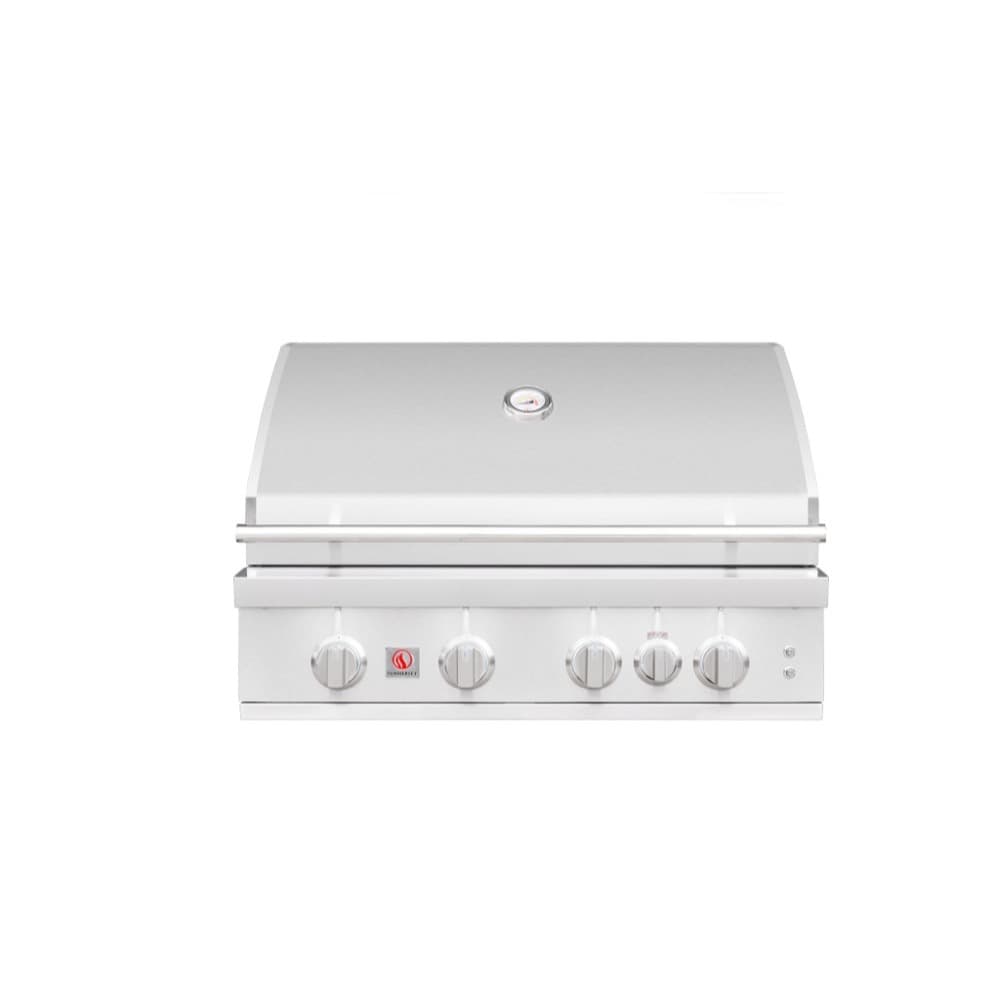
Summerset Grills Sizzler Pro 32-Inch 4-Burner Built-In Gas Grill with Rear Infrared Burner
Built-In Grills
From $2,799
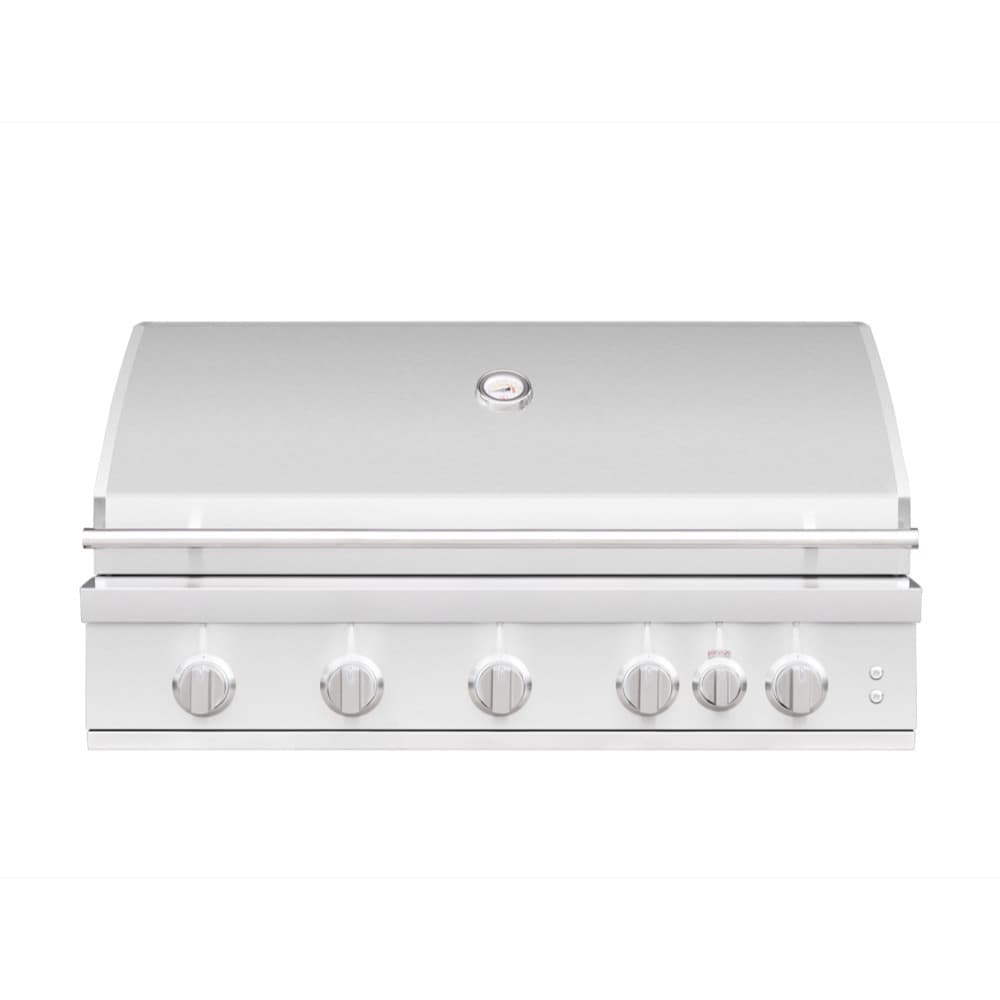
Summerset Grills Sizzler Pro 40-Inch 5-Burner Built-In Gas Grill with Rear Infrared Burner
Built-In Grills
From $3,199

Summerset Grills Pro Series 30-Inch 2-Burner Freestanding Gas Commercial Style Flat Top Griddle
Flat Top Griddles
From $3,548
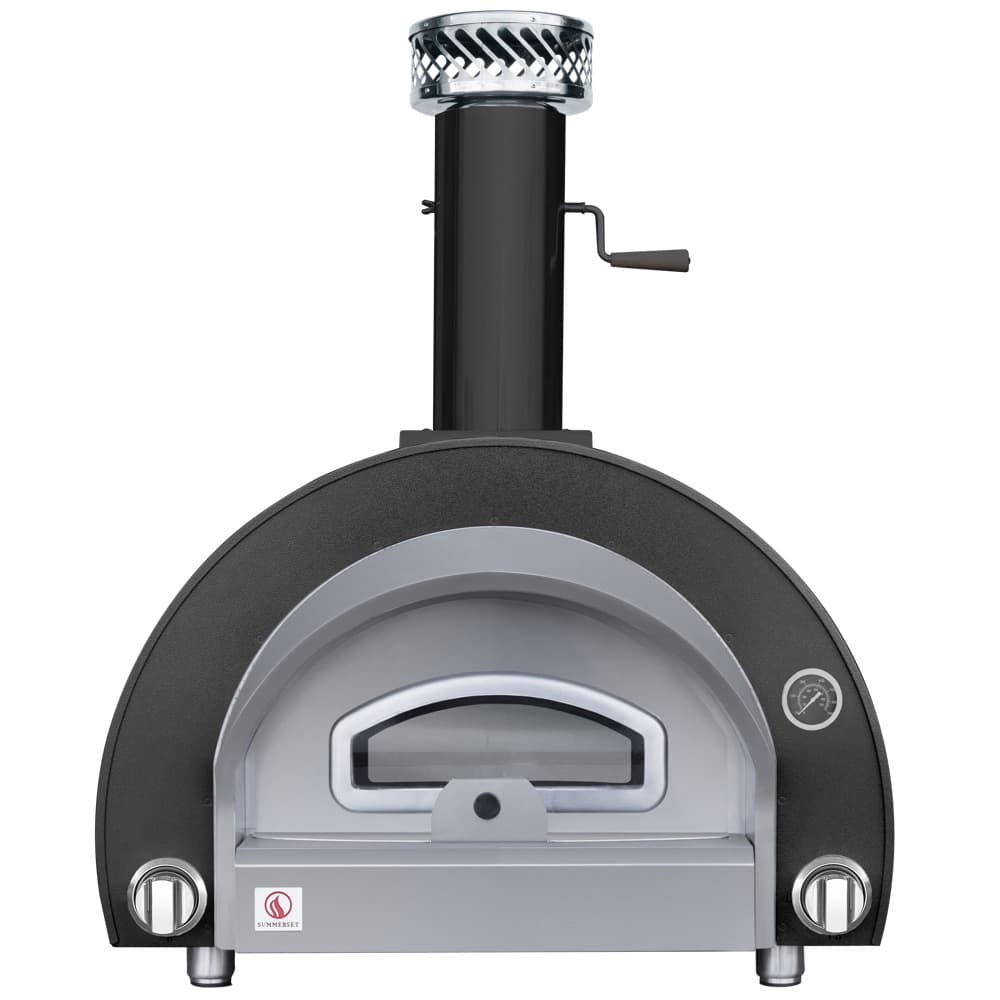
Summerset Grills Countertop Hybrid Gas & Wood-Fired Outdoor Pizza Oven
Outdoor Pizza Ovens
From $3,999
Was this guide helpful?
Shopping for Summerset?
See Summerset products