Coyote Outdoor · Buying Help
Coyote C-Series vs SL-Series: Which Built-In Grill Fits Your Kitchen
The Coyote C-Series is the standard mid-tier line — heavy-gauge stainless, ceramic briquette heat control, standard tube burners, no infrared. The SL-Series adds Coyote's RapidSear rear infrared burner plus a rotisserie, and upgrades the valve and hood hardware. The real decision is how often you sear hard, how often you rotisserie, and whether the roughly 25 to 35 percent price premium matches your cooking pattern.
By Reed · Updated November 9, 2026
What you need
- Tape measure (for countertop cutout)
- A rough feed count (how many people you grill for most weekends)
- Gas type confirmation (propane vs natural gas)
- Access to an authorized Coyote dealer for a hands-on side-by-side
Step by step
Measure the cutout before anything else
Both C-Series and SL-Series share cutout dimensions across the same burner count — a 4-burner C and a 4-burner SL drop into the same island opening. Confirm the cutout in your existing counter or the available run in a new build before you fall in love with either. The SL's rotisserie motor mounts on the back and the infrared burner adds rear-wall depth, so vertical and depth clearance matter as much as width.
Count the people you actually feed
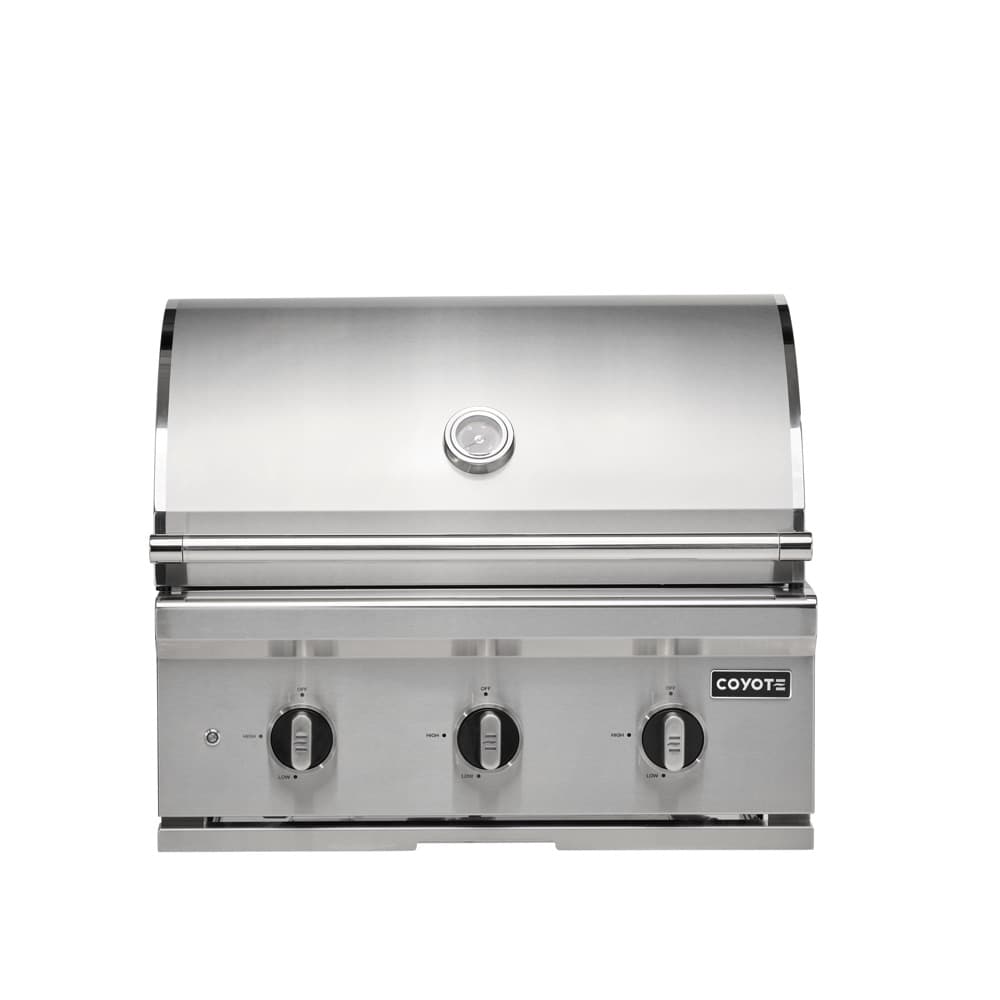
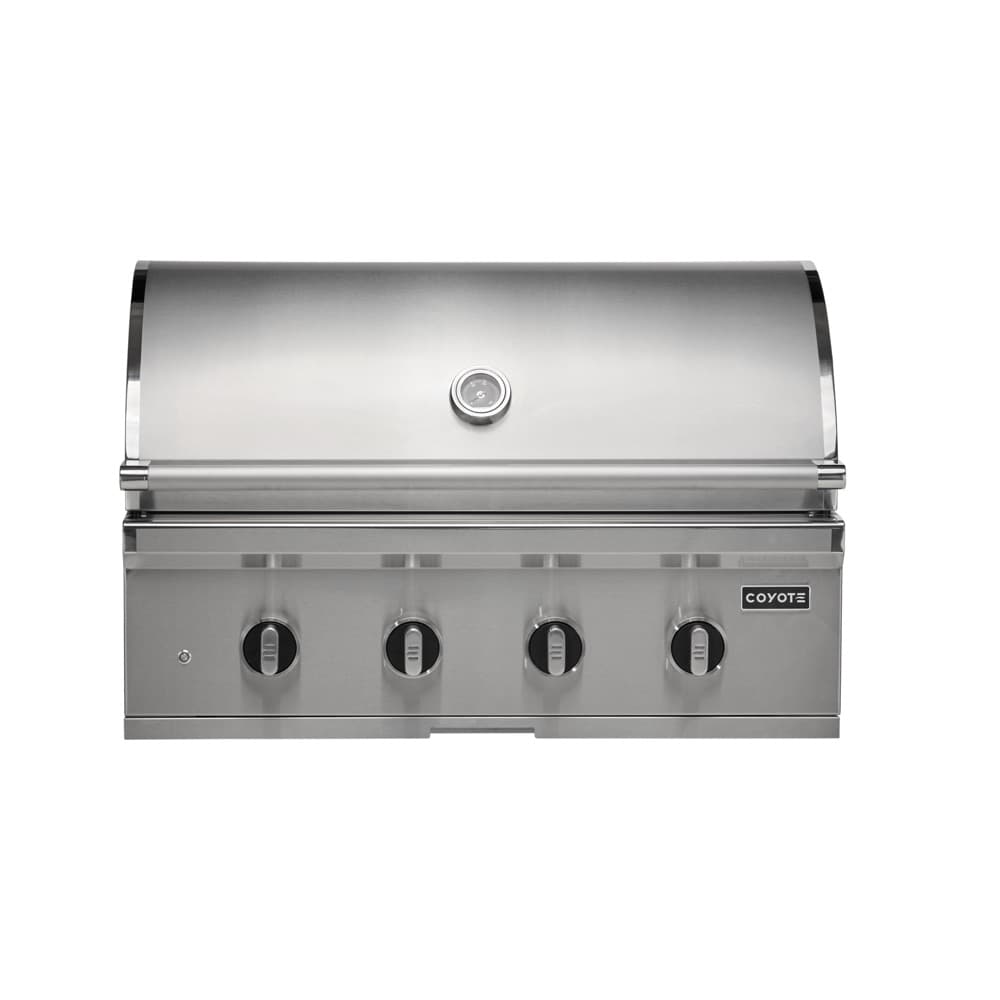
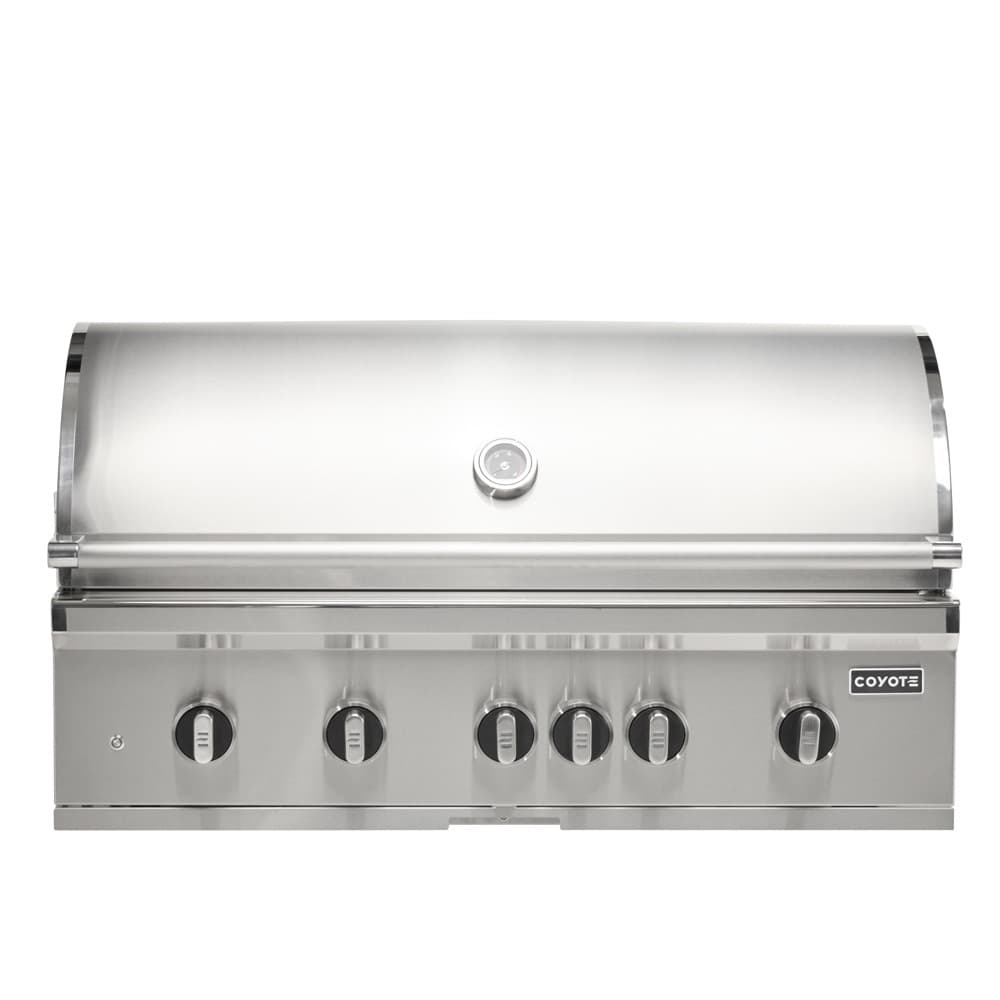
The 3-burner C handles roughly 10 to 12 burgers at once — fine for a family of four with occasional guests. The 4-burner (C or SL) moves that to 16 burgers; the 5-burner to 20-plus. The SL's extra infrared burner is not counted in the burger math but it changes the cooking pattern — more on that in the next step.
Weigh the RapidSear infrared against the way you cook
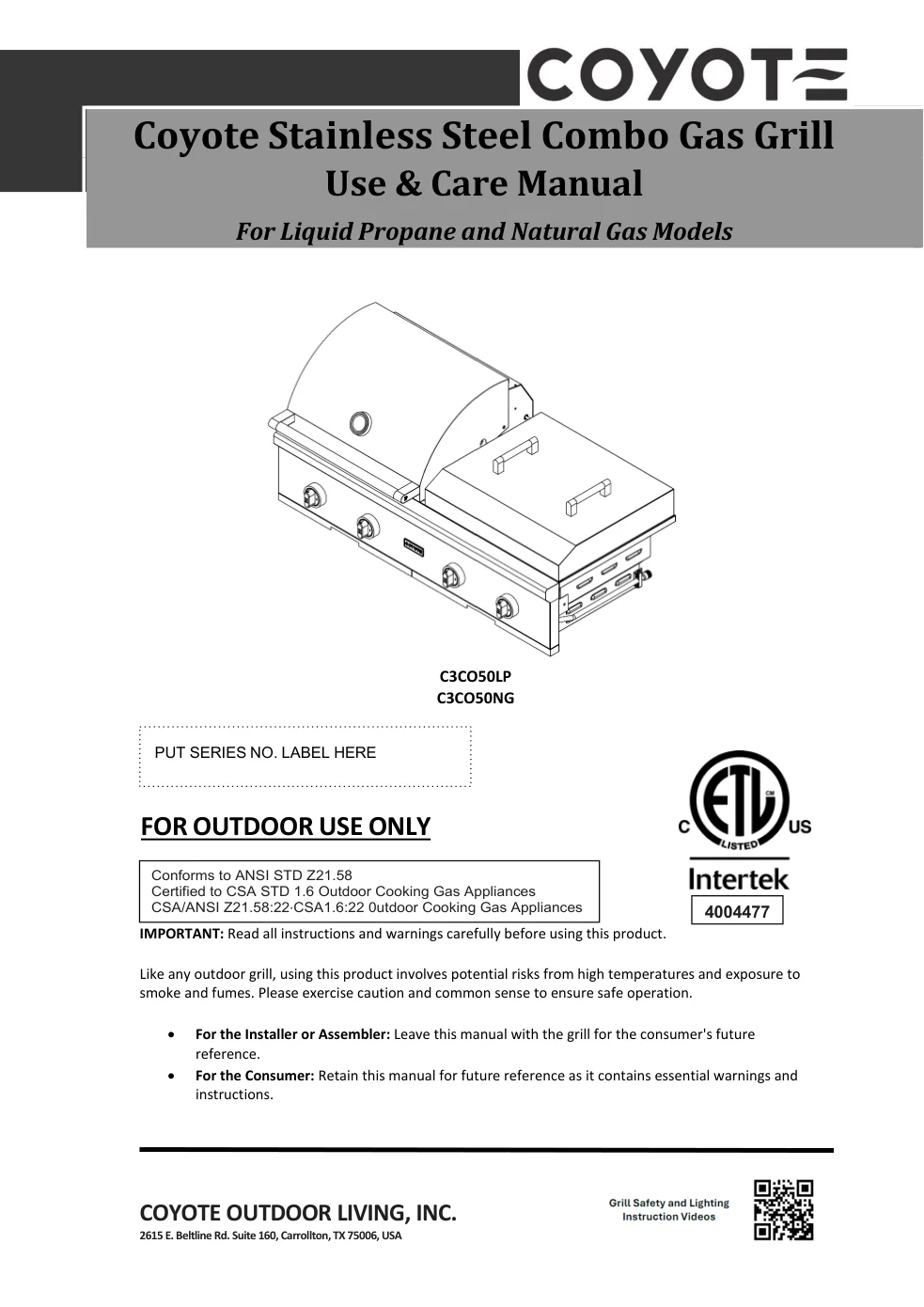
The RapidSear rear infrared burner on the SL-Series is a ceramic emitter engineered for short high-intensity searing — think the end of a reverse-sear steak or a hard crust on a chop. It is not an everyday burner and it is not a direct heat source for the full cook. If you reverse-sear steaks most weekends or finish chops and tuna with a hot crust, the SL earns its premium. If you cook mostly burgers, chicken, and vegetables, the C-Series main burners already deliver plenty of heat.
Consider the rotisserie
The SL-Series ships with a rotisserie motor and spit rod; the C-Series does not include rotisserie as standard. If you turn a chicken, pork loin, or small roast on a rotisserie more than four or five times a year, factor the SL premium in — adding a rotisserie kit aftermarket costs a chunk of what the SL upgrade costs, and the SL's factory integration is cleaner.
Compare the hood hardware
The CL and SL lines both add the lift-assist hood and a safety-valve system over the base C hardware. A lift-assist hood matters more than it sounds like it should — a loaded hood on a hot grill in gusty wind feels different from a bare hood on an empty cook, and the assist makes the difference between two-hand lifts and one-hand opens. If your grill lives on a windy patio or you cook into darkness, the lift-assist earns its upgrade.
Match the gas type to your yard
C and SL both come in propane and natural gas versions. Natural gas install requires a licensed plumber and a hard-line connection; propane runs off a standard 20-pound cylinder in the cart or a 40-pound cylinder in an outdoor-kitchen cabinet. The two versions are not interchangeable without the Coyote LP-to-NG conversion kit matched to your grill's generation (Gen 1 vs Gen 2) and installed by a licensed plumber.
Budget for the cover and briquettes at purchase
A built-in C or SL in an outdoor kitchen still wants a fitted cover matched to the grill head's size and mount type (built-in vs freestanding). Ceramic briquettes are consumable and will want a full-set replacement every few seasons — the economics work out to roughly one cover and one briquette set in the first five years. Factor both into the all-in budget, not just the grill price.
Common mistakes
- Buying the SL for the infrared and never using it. If you rarely sear hard and never rotisserie, the SL premium goes to features that sit cold most of the time. The honest question: in the last 20 cooks, how many ended with a hard sear or a rotisserie? If the answer is under 5, the C-Series is enough grill.
- Ignoring the counter cutout. Built-in shoppers who skip the measurement step end up either tearing out counter or returning the grill. Confirm the cutout first, then pick the series and burner count.
- Forgetting the generation when buying a replacement part later. Gen 1 and Gen 2 C/S-Series grills use different conversion kits and different valve orifices even at the same size. Save the serial-plate photo at purchase — the day you need a part is not the day to be hunting for a label.
- Treating the RapidSear as an everyday high-heat burner. The ceramic emitter is engineered for short, intense searing cycles. Running it as a default high-heat burner shortens the ceramic's life and cooks it past the point where the manufacturer rates it. Save it for the sear step, not the full cook.
- Not pricing the rotisserie kit into the C-Series comparison. If you shop a C-Series and plan to add rotisserie later, the aftermarket kit plus install closes much of the price gap to a factory SL. Price both configurations end-to-end before deciding.
Hands-on tips
- Stand in front of both grills at a Coyote dealer once before you decide — the fit-and-finish difference between the C hood and the SL lift-assist hood is more obvious in person than in catalog photos.
- Sketch your counter run on paper with the grill cutout and then add 12 inches of landing counter on either side — that is the minimum working surface for most cooks.
- If the SL premium feels close to a decision tipping point, price a factory SL against a C plus aftermarket rotisserie — the gap often closes.
- Natural gas pre-plumb? Have the plumber confirm the BTU rating of your line before you order. A 5-burner SL pulls more BTUs at full output than a 3-burner C, and some older residential lines cannot keep up during high-burn.
- Freestanding carts move; built-ins don't. If you rent or expect to move within 3 to 5 years, the freestanding cart version of either model keeps the investment portable.
- Pizza-oven, side-burner, or vent-hood in the plan? Lay out the full outdoor kitchen on paper before you order the grill head — Coyote's cabinetry fits as a system, and ordering piece by piece on different ship dates is how islands end up with mismatched returns.
- If this is your first premium grill and you are between a C-Series and a SL-Series, buy the C-Series. You can always add a rotisserie later; you cannot un-spend the SL premium if you never use the infrared.
Questions people ask
Is the Coyote SL-Series worth the extra money over the C-Series?
If you reverse-sear steaks most weekends, rotisserie regularly, and want the lift-assist hood for a windy patio, the SL earns the premium. For a family that cooks burgers, chicken, and vegetables, the C-Series delivers the same build quality in the same footprint without paying for features that sit cold most of the time.
What is RapidSear and how is it different from a regular burner?
RapidSear is Coyote's branded rear infrared burner, which uses a ceramic emitter to concentrate heat for short, intense searing rather than general cooking. It reaches sear temperatures faster than a tube burner and holds them without drying out the surface, which is useful at the end of a reverse-sear or when you want a hard crust without a longer grate time.
Do both C-Series and SL-Series use ceramic briquettes?
Yes. Coyote's heat-control grid ceramic briquettes sit above the tube burners on both C and SL main surfaces and radiate heat upward, similar to how flavor bars work on other brands. They are consumable and want a full-set replacement every 3 to 5 seasons of regular use.
Can I install either grill in a built-in outdoor kitchen?
Yes. Both come in built-in versions with matching cutout specs. Freestanding cart versions of both also exist if you do not have a surround. Confirm the clearance-to-combustibles numbers in the owner's manual for your specific model before cutting any counter.
What's the difference between the C-Series, CL-Series, and SL-Series?
C-Series is the base line: tube burners, ceramic briquettes, standard hood. CL-Series adds the lift-assist hood and a safety valve over the C hardware. SL-Series adds everything in the CL plus the RapidSear rear infrared burner and a factory rotisserie. Think of it as good / better / best, with each step adding a specific feature rather than a general polish upgrade.
Was this guide helpful?
Shopping for Coyote Outdoor?
See Coyote Outdoor products