Chicago Brick Oven CBO-750 Review: The Full Retailer Breakdown
By Reed · Published August 2026

Verdict up front: the Chicago Brick Oven CBO-750 is the real deal, and if you are serious enough about pizza to build an outdoor kitchen around it, it is worth every dollar of the roughly $3,500 sticker. This is not a portable countertop toy. It is a 750-pound refractory cement dome that lives outside forever, holds 900F for hours, and cooks a Neapolitan pie in 60 to 90 seconds. We sell a lot of pizza ovens at bbqs.com and get asked about the CBO-750 constantly, so this review is the honest retailer breakdown: what you actually get in the crate, how it cooks, what the gas hybrid changes, what installation really costs, and where an Ooni or Roccbox makes more sense than dropping $3,500 plus a masonry base.
What the CBO-750 Actually Is
The CBO-750 is a DIY pizza oven kit, not a finished appliance. Chicago Brick Oven ships you a pre-cast refractory cement dome, a hearth, a chimney, and a metal door. You set it on a base you build yourself (usually a block stand or a masonry island), then you either leave the dome exposed or finish it with stucco, stone veneer, or tile to match your outdoor kitchen. The 750 in the name refers to the interior floor area, roughly 750 square inches, which works out to a 32 inch by 24 inch cooking hearth. That is enough for two 12 inch pizzas at once, or one pizza plus a cast iron pan of vegetables on the side. Chicago Brick Oven has been building these in the U.S. since 2004, and the refractory formula is the same one they sell to restaurants.
“The CBO-750 is not a pizza oven you buy. It is a pizza oven you build a kitchen around.”
Specs and Materials
Here is what matters: the dome and hearth are cast from proprietary refractory cement with stainless steel reinforcement, not clay and not fire brick assembled on site. That is why it holds heat the way it does. The oven weighs about 750 pounds assembled, has a 32 by 24 inch cooking floor, an interior dome height of roughly 15 inches, and a mouth opening around 19 inches wide. It ships with an 8 inch stainless chimney, insulation blanket, and a powder coated steel door.
Fuel options: 100 percent wood, gas only, or the hybrid kit that lets you preheat with gas and finish with wood for that live-fire char. The oven itself is rated for continuous use up to 1,000F. You will not exceed that.
Cook Performance: 900F Pizza in 60 to 90 Seconds
This is where the CBO-750 earns its price tag. Once it is fully heat-soaked, which takes about 45 to 60 minutes of live fire, the dome radiates evenly and the floor holds 750 to 900F. A properly stretched 12 inch Neapolitan pie cooks in 60 to 90 seconds with leopard-spotted char, a puffy cornicione, and a crisp bottom that does not go soggy under sauce. That is authentic wood-fired performance, not the 3 to 4 minute compromise you get from most home ovens.
Because the mass is so heavy, it also holds temperature between pies. You can cook 15 to 20 pizzas in a session without the floor sagging in temperature, which is why the same oven shows up in commercial pizzeria patios.
A CBO-750 fully heat-soaked to 900°F cooks an authentic Neapolitan pizza faster than most home ovens preheat. Restaurant-grade output.
Gas vs Wood vs the Hybrid Kit
Straight wood gives you the best flavor and the highest ceiling temperature, but it takes an hour to come up and it takes practice to manage the fire. Gas-only is the convenience play: push button, 30 to 40 minutes to temp, no wood to buy or store, and consistent output for weeknight cooking. It will not quite match wood on char or aroma.
The hybrid is what we recommend to most buyers. You get a stainless gas burner that heat-soaks the dome quickly, then you add a small wood fire on top for the live flame roll across the ceiling that gives Neapolitan pizza its signature spotting. Best of both worlds, and the hybrid kit adds roughly $500 to $700 to the total depending on the configuration.
Installation and True Cost
The $3,500 sticker is the oven kit. It is not the finished project. Realistic total install budget: $5,000 on the low end if you build a simple block stand yourself and skip decorative finish, $8,000 to $12,000 if you have a mason build a stucco or stone island, and $15,000-plus if it goes into a full outdoor kitchen with counters, storage, and a matching grill.
Foundation requirements: the oven and stand together push 1,500 to 2,000 pounds, so you need a poured concrete pad or a structural masonry base. Install time is one to two days for a DIY block stand, one to two weeks with a mason. Plan on a gas line run if you are going hybrid or gas-only, which is another $300 to $800 depending on distance from the meter.
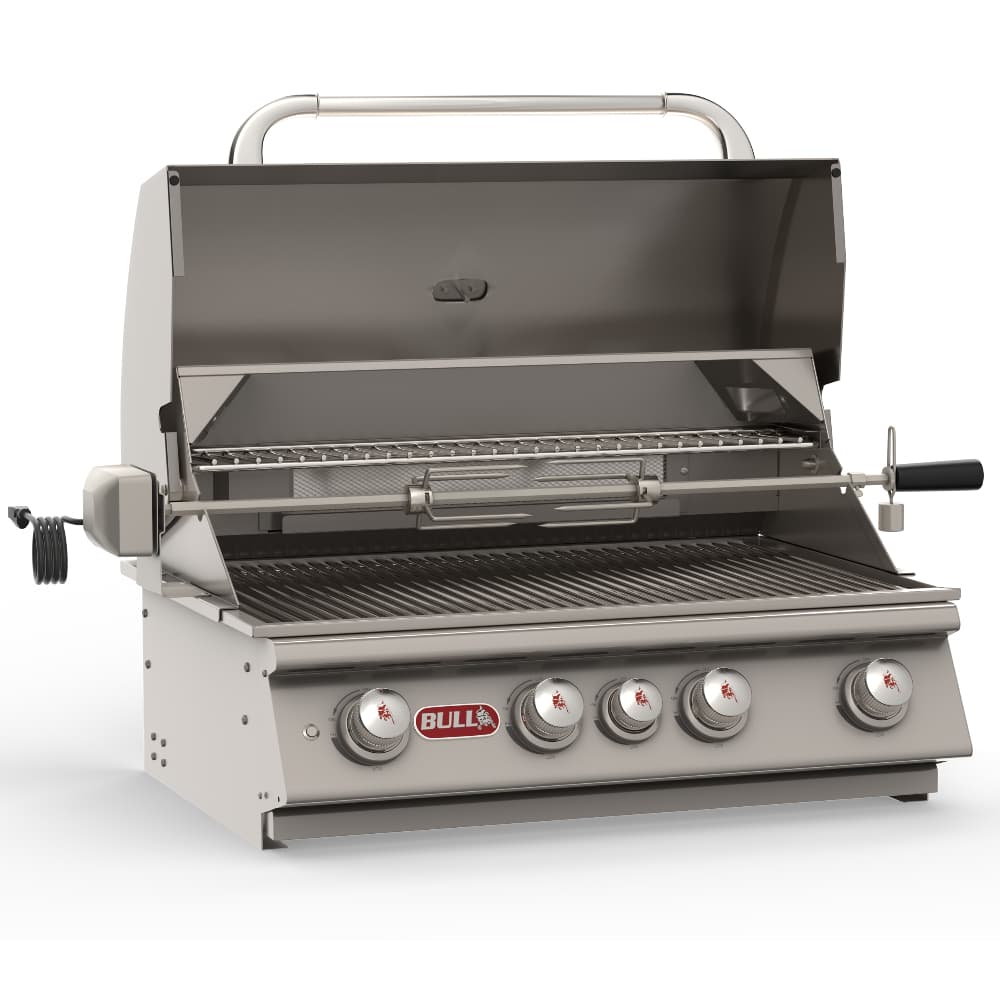
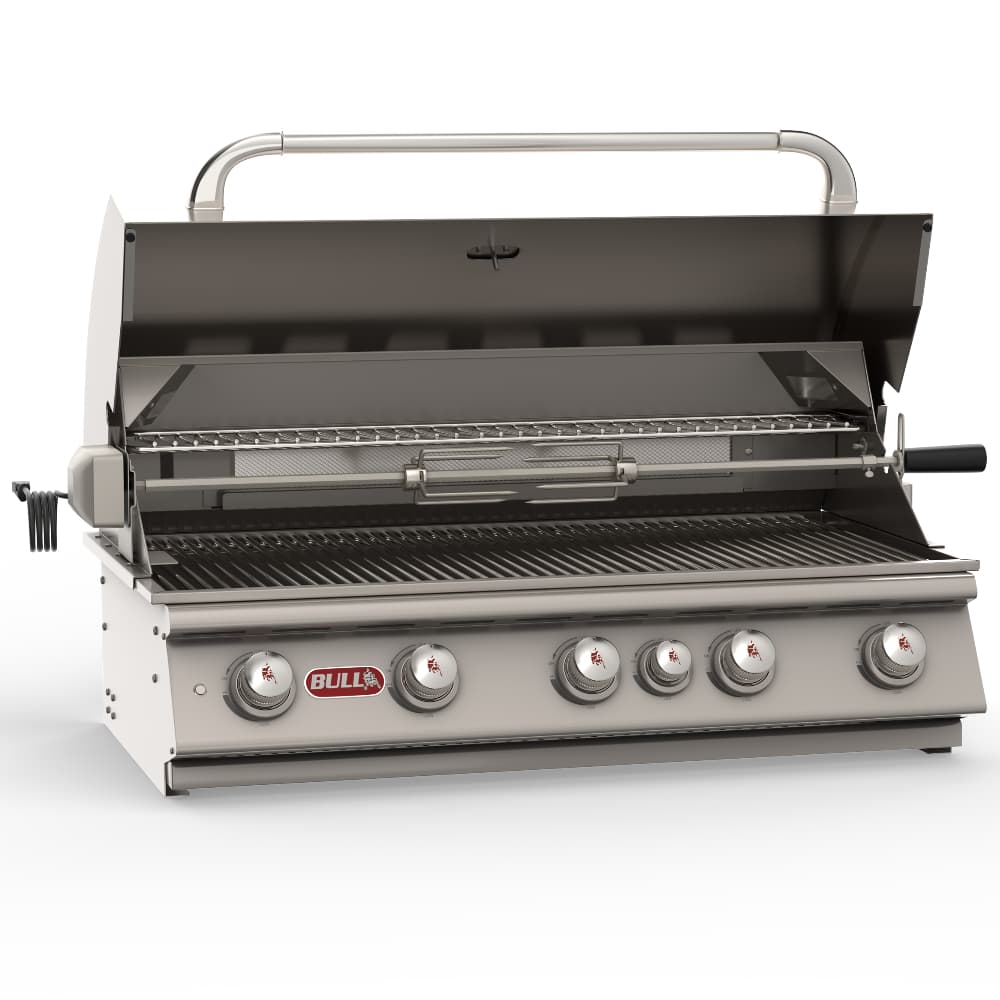
Pair the CBO-750 with a matching built-in gas grill for a full outdoor kitchen — these are the two most requested picks.
Pros and Cons
Pros: authentic 900F Neapolitan performance, made in the U.S. with a real refractory formula, cooks pizza in 60 to 90 seconds, holds temperature for a full dinner party, hybrid option covers both weeknight convenience and weekend wood fire, will outlive the house if you build the base right.
Cons: it is a $3,500 kit before you have poured a foundation or hired a mason, it is permanent (this is not moving with you), the learning curve on managing a wood fire is real, and if you only cook pizza three or four times a year the math does not work. Also worth knowing: cure time. You have to run a graduated 5 to 7 day break-in fire schedule before the first real cook, or you risk cracking the dome.
Alternatives: Ooni, Roccbox, and Custom Brick
Honest comparison. Ooni Karu 16 or Koda 16 (~$600 to $800): portable, propane or wood, 60 second pizzas, but small (one pie at a time), thin steel body loses heat between cooks, and it will not last 20 years of outdoor exposure. Great starter oven, wrong tool if you are building an outdoor kitchen. Gozney Roccbox (~$500): similar profile to Ooni, better insulation, still a countertop unit. Traditional brick oven built from scratch by a mason: $10,000 to $25,000, gorgeous, but you are trusting the mason’s refractory knowledge and there is no manufacturer warranty. The CBO-750 sits in the sweet spot: real refractory mass and restaurant-grade performance at a fraction of a custom build, with a factory warranty and a proven cast dome.
The Verdict
If you want a permanent outdoor pizza oven that cooks like the ones in Naples, the CBO-750 is the one we recommend at bbqs.com. It is the right size for a family or entertaining, the refractory mass does what cheap ovens cannot, and the hybrid kit removes the biggest weeknight objection to a wood-fired oven. Buy it if you are building or already have an outdoor kitchen, if you cook pizza more than a few times a month, and if you are prepared to spend another $2,000 to $8,000 finishing it properly. Skip it if you want portable, if you have not committed to a permanent install spot, or if pizza is an occasional novelty. In that case, get an Ooni and revisit the CBO conversation when the kitchen build starts.
Frequently Asked Questions
CBO-750 vs CBO-500: which should I buy?+
Should I get wood, gas, or the hybrid?+
What is the real installation cost after the oven?+
How long does the CBO-750 take to preheat?+
Can I cook other things besides pizza?+
How much does it weigh and what foundation do I need?+
Does it need to be cured before the first real cook?+
What is the warranty?+
Products & brands in this guide
This Season
Shop the season
Black Friday 2026
Black Friday Grills
Deepest markdowns of the year on built-ins, carts, and high-BTU gassers.
Shop Black Friday →Cyber Monday 2026
Cyber Monday Grills
One more day of online-only pricing on built-in, cart, and freestanding grills.
Shop Cyber Monday →Holiday 2026
Holiday Grill Deals
Gift-ready grills and accessories that still beat Christmas.
Shop Holiday Deals →Related reading
Reed — Reed writes the buying guides at BBQs.com — fifteen years selling and installing built-in grills means the picks here are what we'd actually put in our own outdoor kitchen.