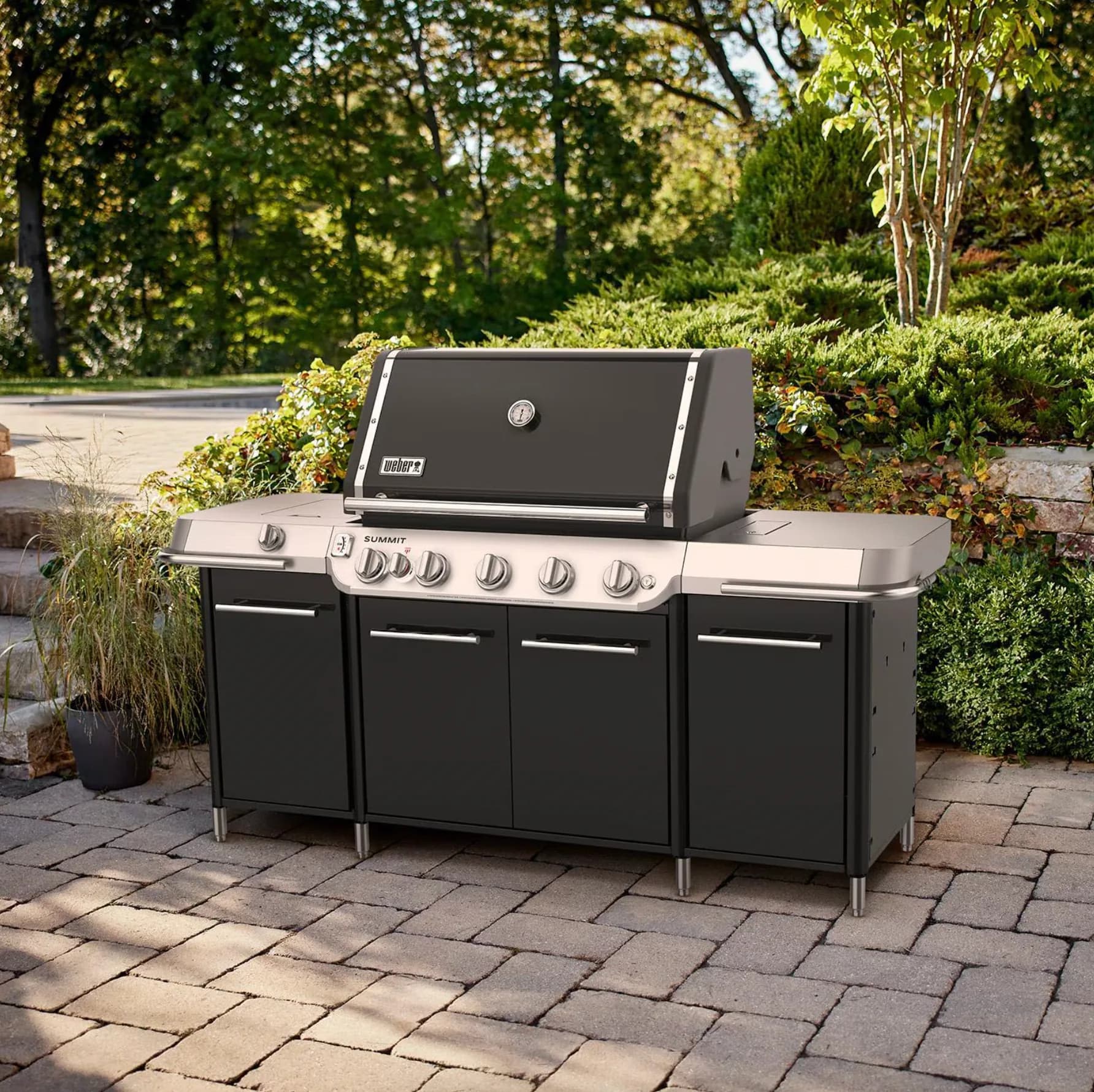
Weber · Winterization
How to Winterize a Weber Gas Grill
Winterizing a Weber gas grill is four jobs: clean it, shut off and burn off the fuel line, protect the burners from pests and moisture, and cover it once it is cold. Plan on about 45 minutes. Weber kettle and Searwood pellet grills need a different shutdown — see the FAQ for both.
By Reed · Updated November 9, 2026
What you need
- Weber nylon or soft brass grill brush
- Plastic putty knife or Weber cold-grill cleaning tool
- Dish soap, warm water, and a soft sponge
- Microfiber cloths
- Non-chlorine stainless steel cleaner
- Cooking oil and paper towels
- Pipe cleaner or venturi brush
- Breathable, fitted Weber grill cover (sized to your model)
- Work gloves
Step by step
Pick a dry day and run a burn-off
With the lid open and the grill still hooked up, run every main burner on high for 10 to 15 minutes. The carbon turns to ash and the inside of the cook box is far easier to wipe down. On Weber Connect-equipped grills, unplug the probe harness before you start — the connector housing is not rated for the full burn-off temperature.
Clean the grates and cooking surfaces
Brush the grates, pull them out, wash in warm soapy water, rinse, and dry fully. Wipe stainless rod grates with a thin film of cooking oil. Porcelain-enameled cast iron grates get the oil too — a tacky film keeps winter moisture out of the pores. Scrape the Flavorizer bars and the inside of the hood, then wipe with a barely damp rag.
Empty and clean the grease management system
Pull the grease tray, drop a fresh aluminum catch pan in, and wash the tray itself with hot soapy water. Current Genesis and Spirit grills slide the tray out from the right or left side — Weber's support docs name the tray as the number-one rodent attractant over winter, so empty it even if it looks relatively clean.
Brush the burners and check for nests
Once the grill is cold, brush the main burner tubes lengthwise and clear any blocked ports with a pipe cleaner. Shine a flashlight into each venturi tube — Weber's troubleshooting page is explicit that spider webs and insect nests are the leading cause of the weak or uneven flames people see in spring.
Shut off the fuel and burn off the line
Close the propane cylinder valve (or the natural gas shutoff at the supply line). Light the grill with the valve closed and let the burners run until they go out on their own — this consumes the gas trapped in the hose and regulator, and it also prevents the QCC1 regulator from entering bypass mode next spring. Then turn every control knob to OFF.
Disconnect the cylinder or cap the supply line
For propane, unscrew the QCC1 fitting, fit the cylinder's dust cap, and set the tank aside. For natural gas, leave the hard line alone and keep the shutoff valve closed. Weber specifies that natural gas conversions must use the Weber OEM kit and be installed by a licensed plumber — the same rule applies to any permanent supply-line disconnection.
Wipe the exterior and inspect the hose
Clean the hood and panels with warm soapy water, then finish with a non-chlorine stainless cleaner wiped with the grain on stainless hoods. Flex the gas hose and look for cracks, brittleness, or rubbed spots. Weber sells the 30-inch QCC1 hose-and-regulator kit as replacement part 7627 for Genesis 300 series — order it before storage if yours looks tired.
Cover the grill once it is completely cold
Fit the correct Weber-branded cover only after the cook box is cold. A warm cover traps condensation and causes mildew. If you own a 2022-or-newer Genesis 300-series or 400-series, use the matching new-Genesis cover; for a Searwood 600 pellet grill, the Searwood-specific cover has the right cutouts for the pellet hopper and auger. Move the grill to a garage only after the cylinder is disconnected and stored outside.
Common mistakes
- Storing the propane cylinder in the garage. A cylinder in an attached garage, basement, or shed is a leak and fire hazard. Keep it upright, outdoors, in a shaded vented spot — even in winter.
- Covering the grill while it is still warm. Residual heat traps moisture under the cover and causes mildew inside and rust spots outside. Wait until the cook box is cold to the touch before you cover it.
- Skipping the gas-line burn-off. Gas left in the hose and regulator over winter is the number-one trigger for Weber's QCC1 bypass mode in spring. A 90-second burn-off at shutdown saves a $40 reset-procedure service call or an unnecessary regulator order.
- Using a plastic tarp instead of a fitted cover. A tarp traps condensation and causes more rust than no cover at all. A fitted, breathable Weber cover vents moisture and still blocks rain, snow, and UV.
- Leaving pellets in a Searwood hopper over winter. Pellets absorb humidity and swell inside the auger housing, jamming the feed system the first time you fire the grill in spring. Vacuum the hopper and auger tube clean before you cover a pellet grill for the off-season.
Hands-on tips
- Take a quick phone photo of your hose routing and QCC1 fitting before you disconnect anything — reassembly in April is painless when you can look at the picture.
- Wipe porcelain-enameled cast iron grates with a thin film of oil before storage, but wipe off the excess so it does not go tacky over four cold months.
- Pop the igniter battery out and label a baggie with the grill model — AA and AAA cells both leak over a winter in a cold cart.
- If this is your only deep clean all year, do it right before storage. A clean grill stored dry ages better than any amount of spring cleaning will fix.
- Drop a silica desiccant tub in the cart cabinet or under the cover if you are in a damp or coastal climate — it halves the amount of surface rust that forms over winter.
- In spring, run the soapy-water leak check before you light the first cook. Bubbles at the QCC1 fitting mean a new hose, not a new regulator.
- Write the shutdown date on a piece of tape stuck inside the cover — three years from now you will want to know when the regulator was last pressurized.
Questions people ask
Do I need to winterize my Weber if I use it year-round?
No. If you cook on it every month, keep up with regular cleaning and tank swaps and skip the formal shutdown. The 45-minute routine is for grills that will sit for a month or more in freezing wet weather.
Can I leave the propane tank hooked up over winter?
Weber recommends disconnecting. Closing the valve, burning off the hose, and storing the tank upright outdoors keeps the QCC1 regulator from entering bypass mode and keeps the hose from stiffening under residual pressure.
How do I winterize a Weber kettle or charcoal grill?
Dump all ash through the One-Touch cleaning system, wipe the bowl and lid dry, oil the cooking grate, empty the ash catcher, and fit the matching kettle cover. No gas work is involved. Store indoors if you can — the porcelain enamel is weather-rated, but a kettle lives longer in a shed than on an open patio.
How do I winterize a Weber Searwood or Smoque pellet grill?
Burn out the pellet hopper (run the auger until it empties), unplug the grill, vacuum the hopper and auger tube, wipe the firepot, oil the grates, and cover. Leaving pellets in the hopper over winter is the single biggest cause of spring auger jams.
Which Weber cover fits my grill?
Current 2022-plus Genesis 300-series and 400-series each take the matching new-Genesis cover; Searwood 600 takes the Searwood-specific cover; Q 2800N takes the Q 2800N cover (freestanding or on-cart version depending on your setup); Summit 5- and 6-burners take the Summit-sized cover; kettles have their own 22-inch and 26-inch covers. Match the cover to the series and mount type, not just the burner count.
Was this guide helpful?
Shopping for Weber?
See Weber products