The Collection
Built-In Grills
99 Pieces
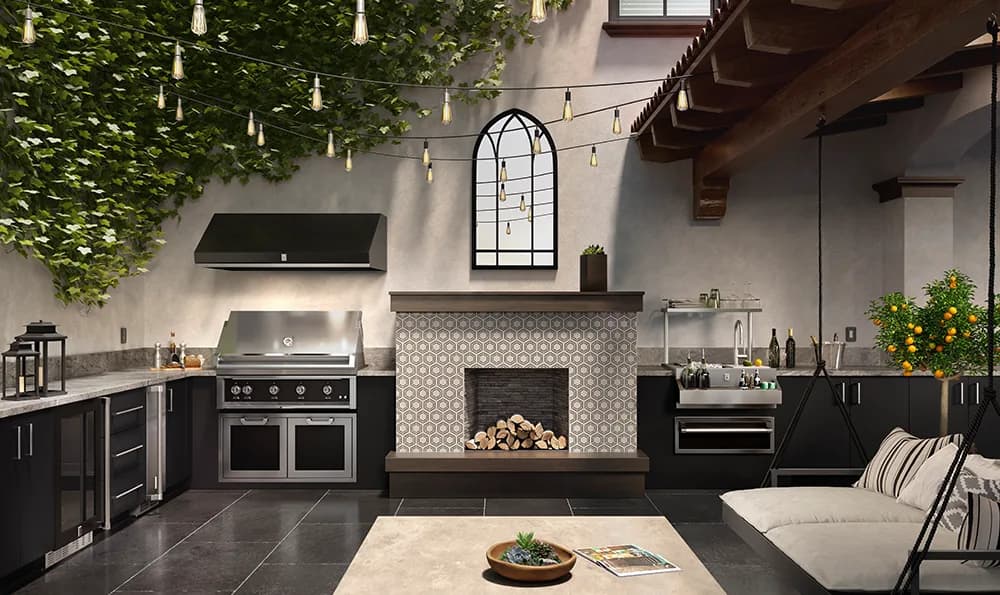
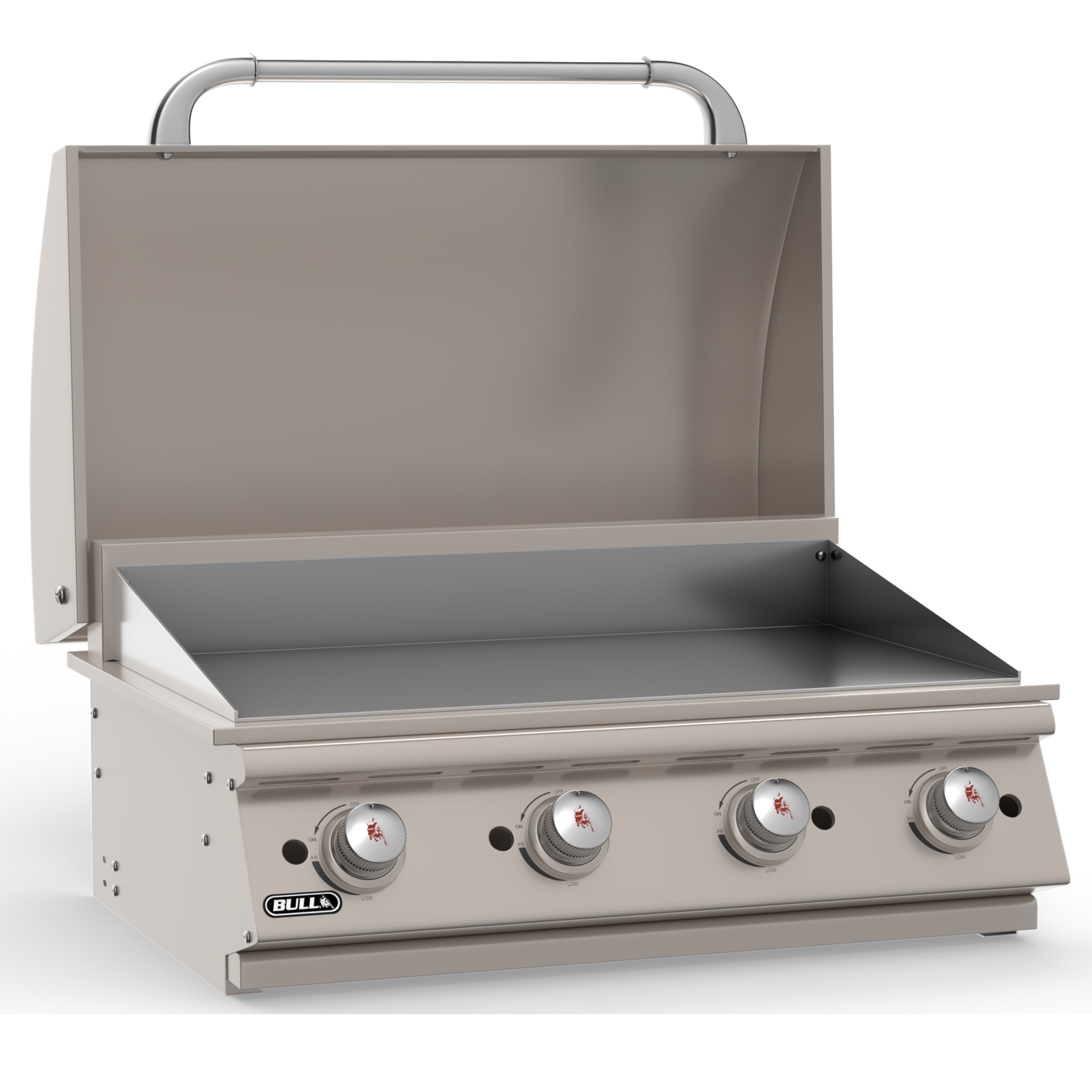
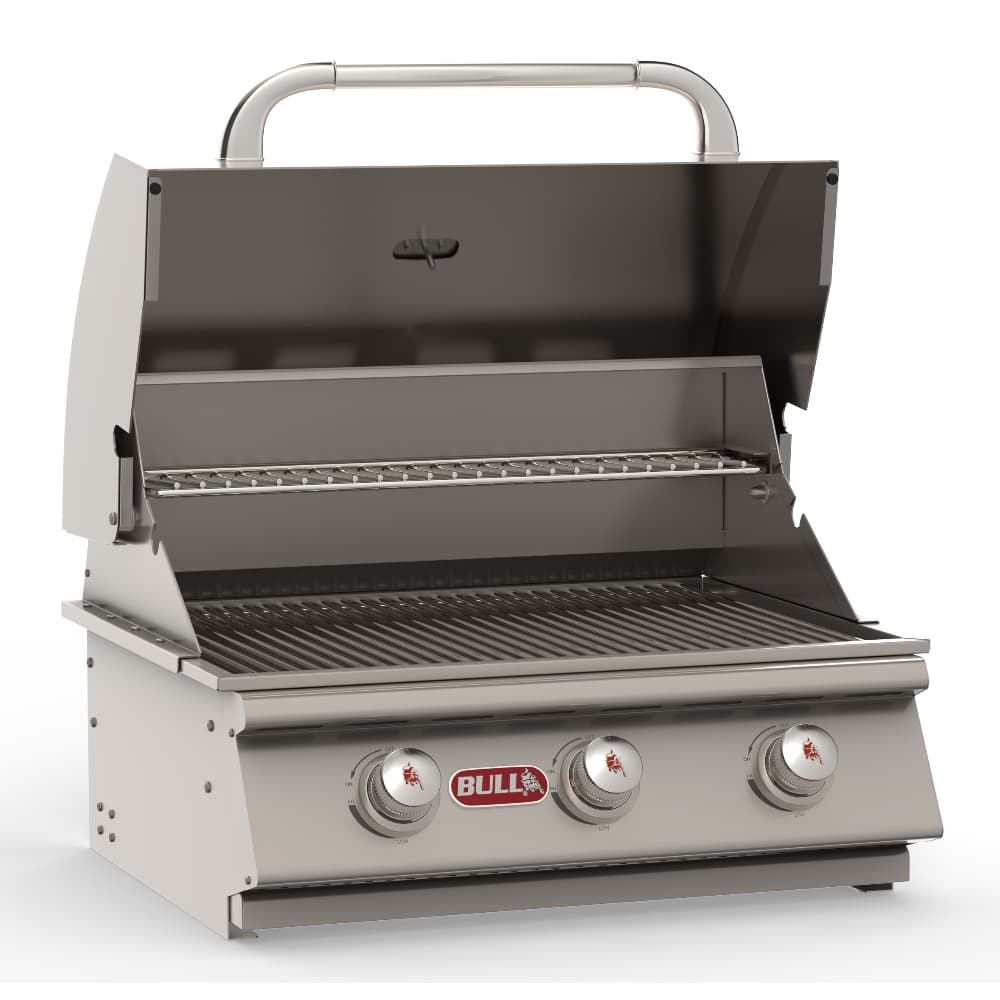
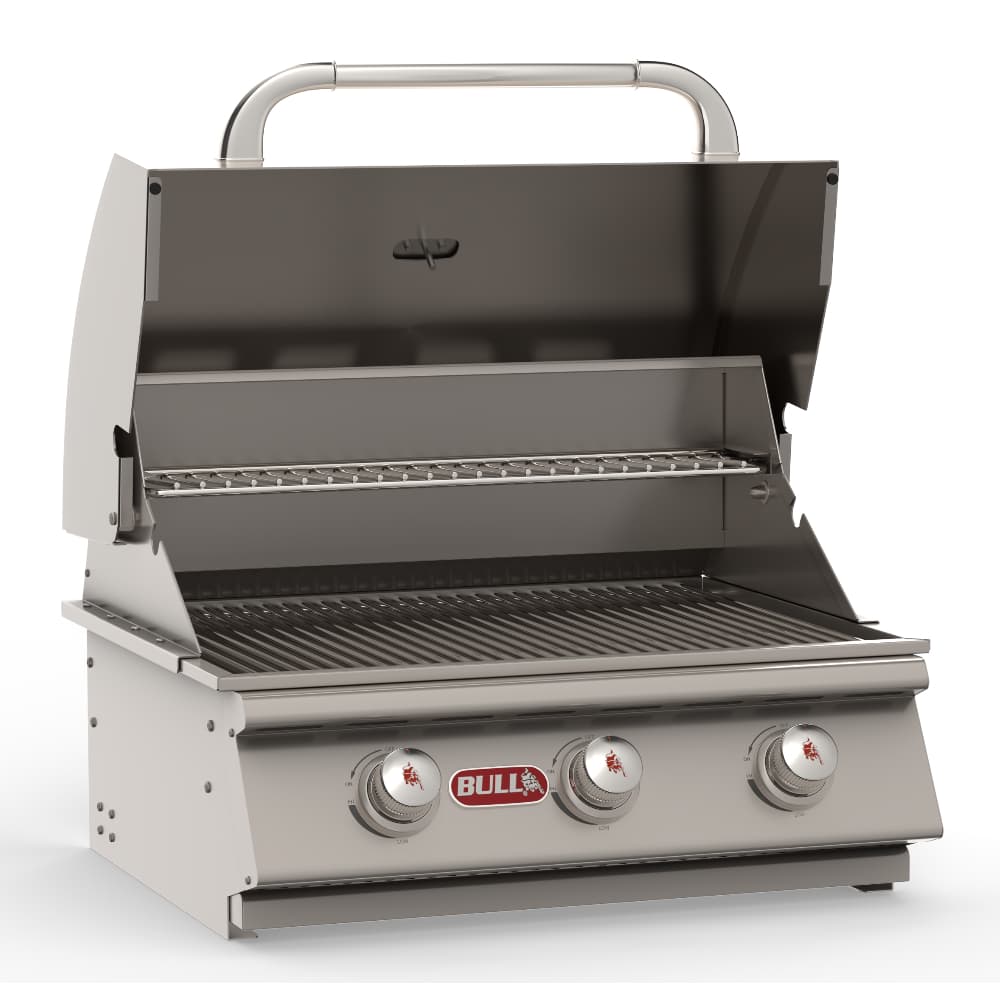
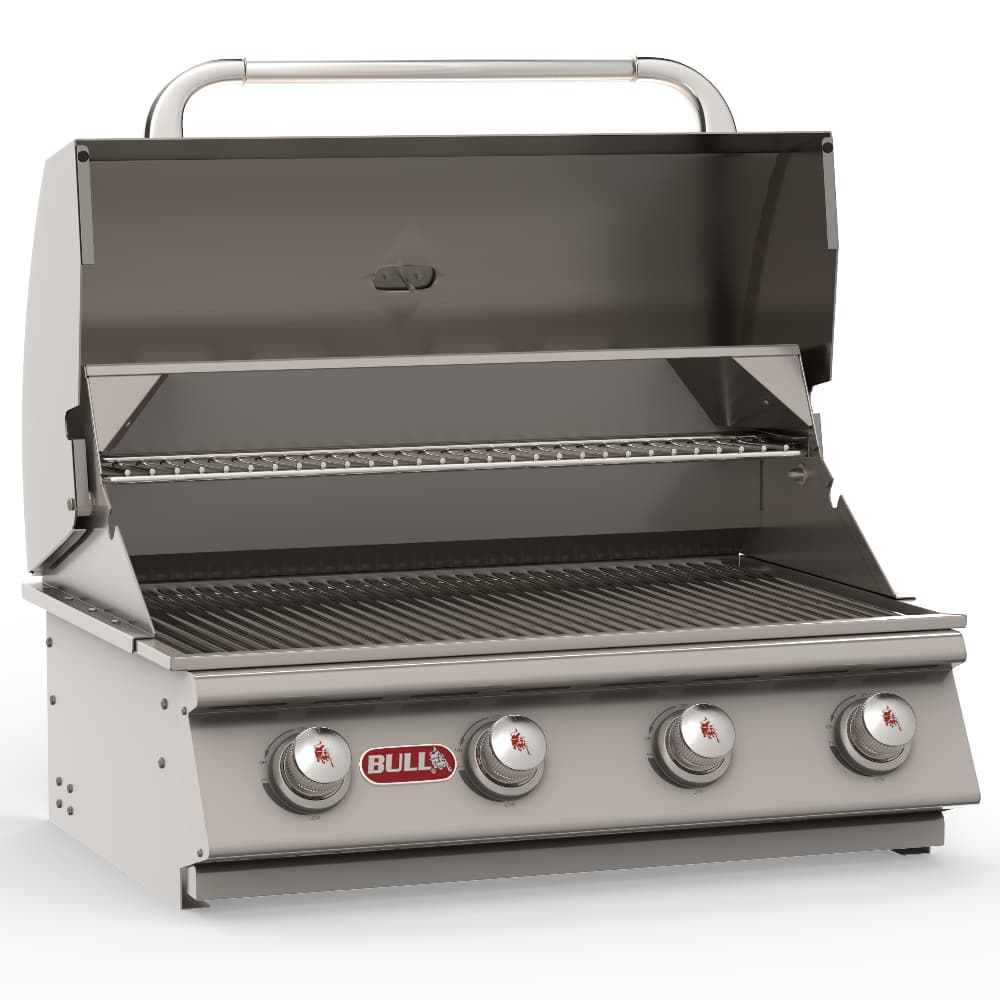
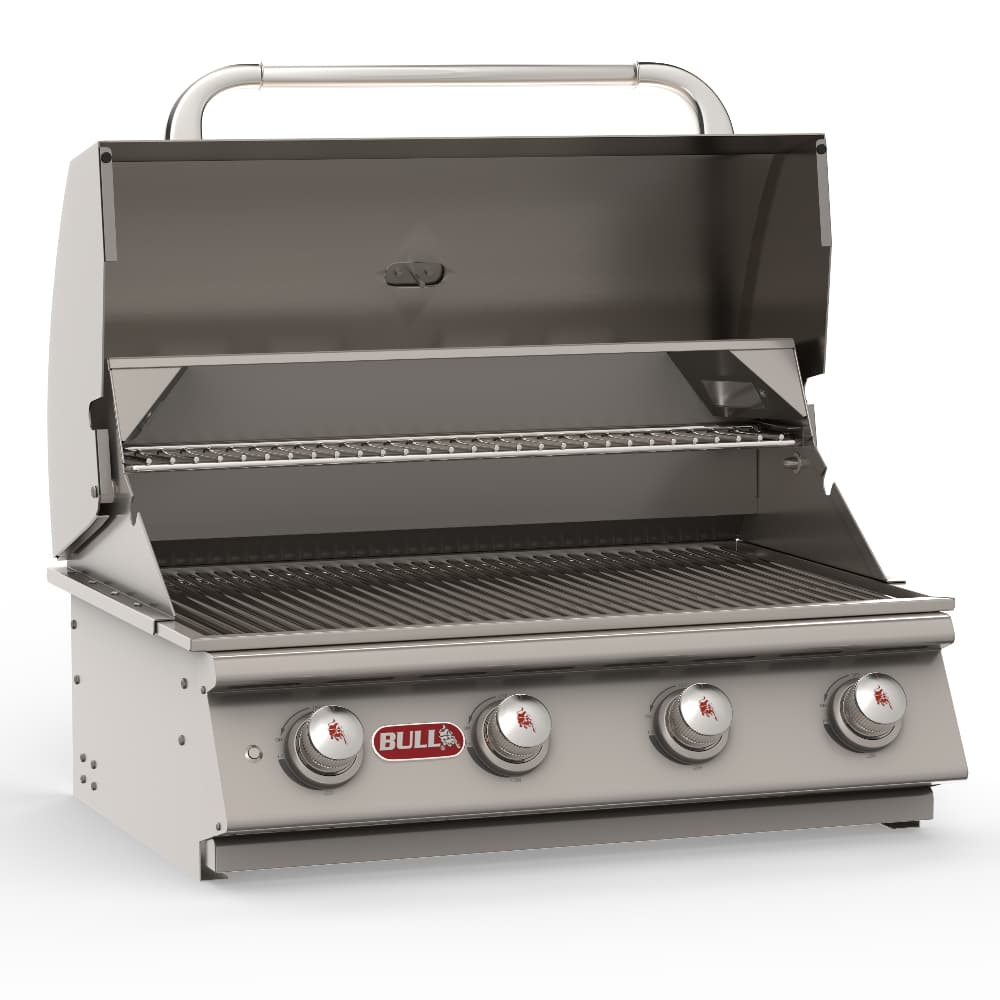
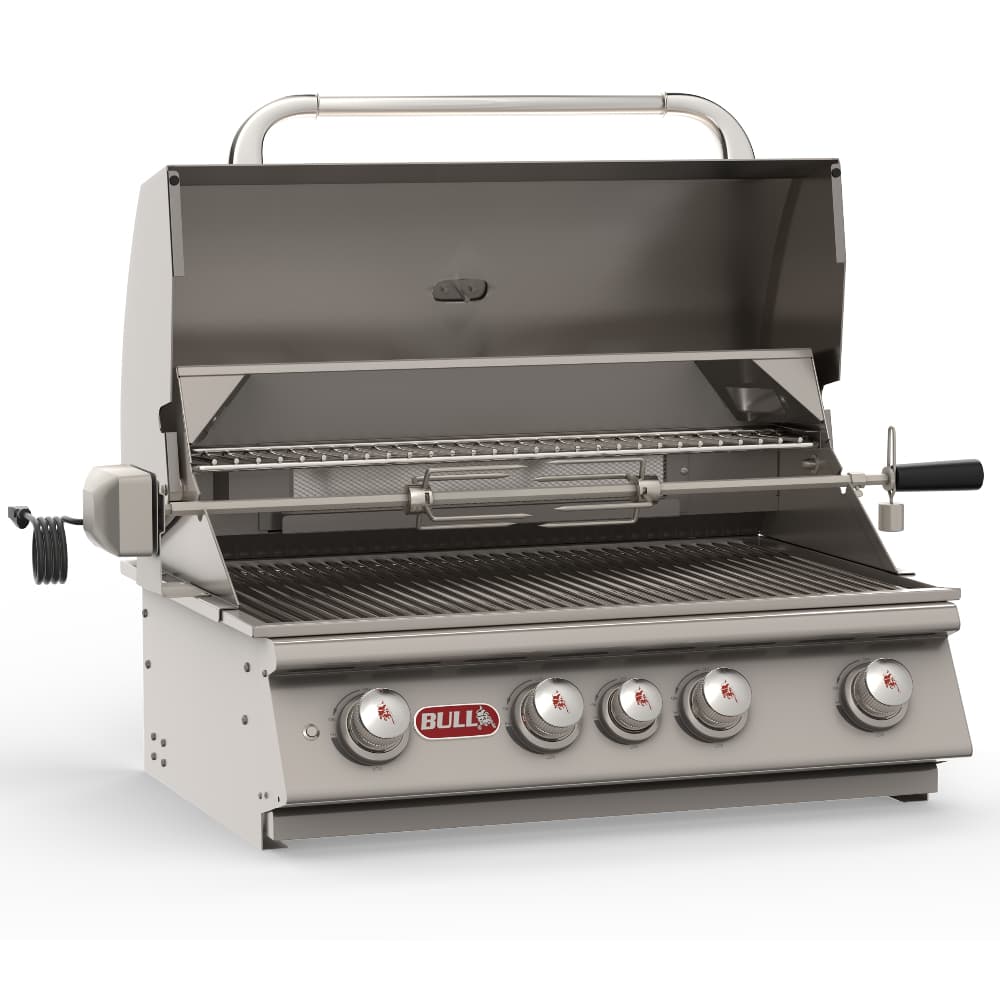
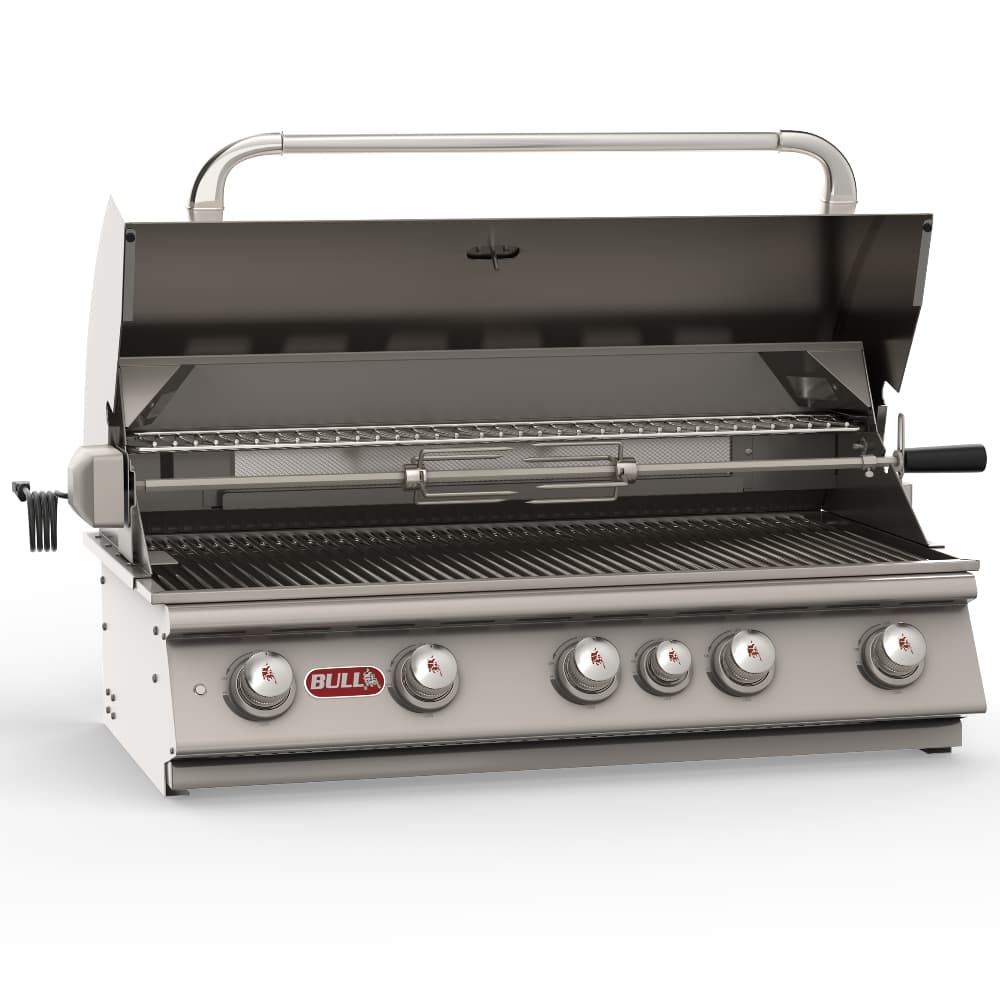
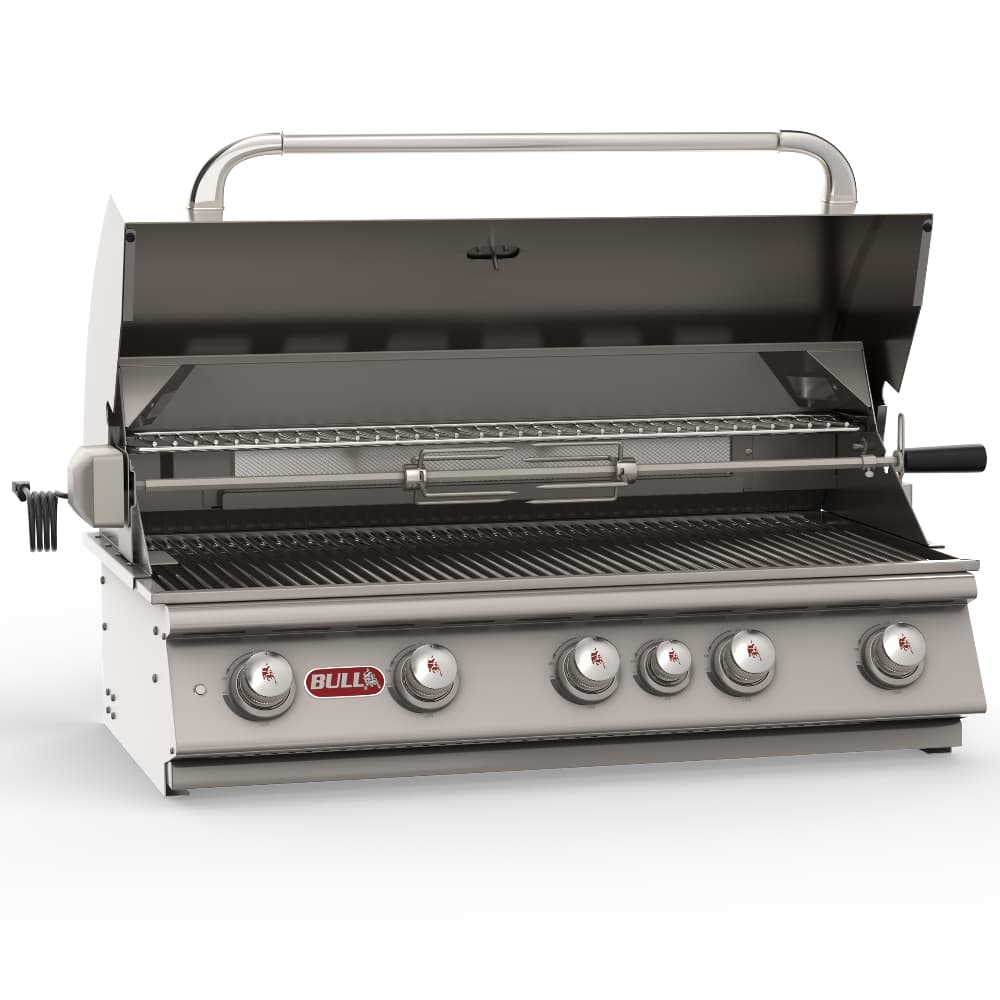
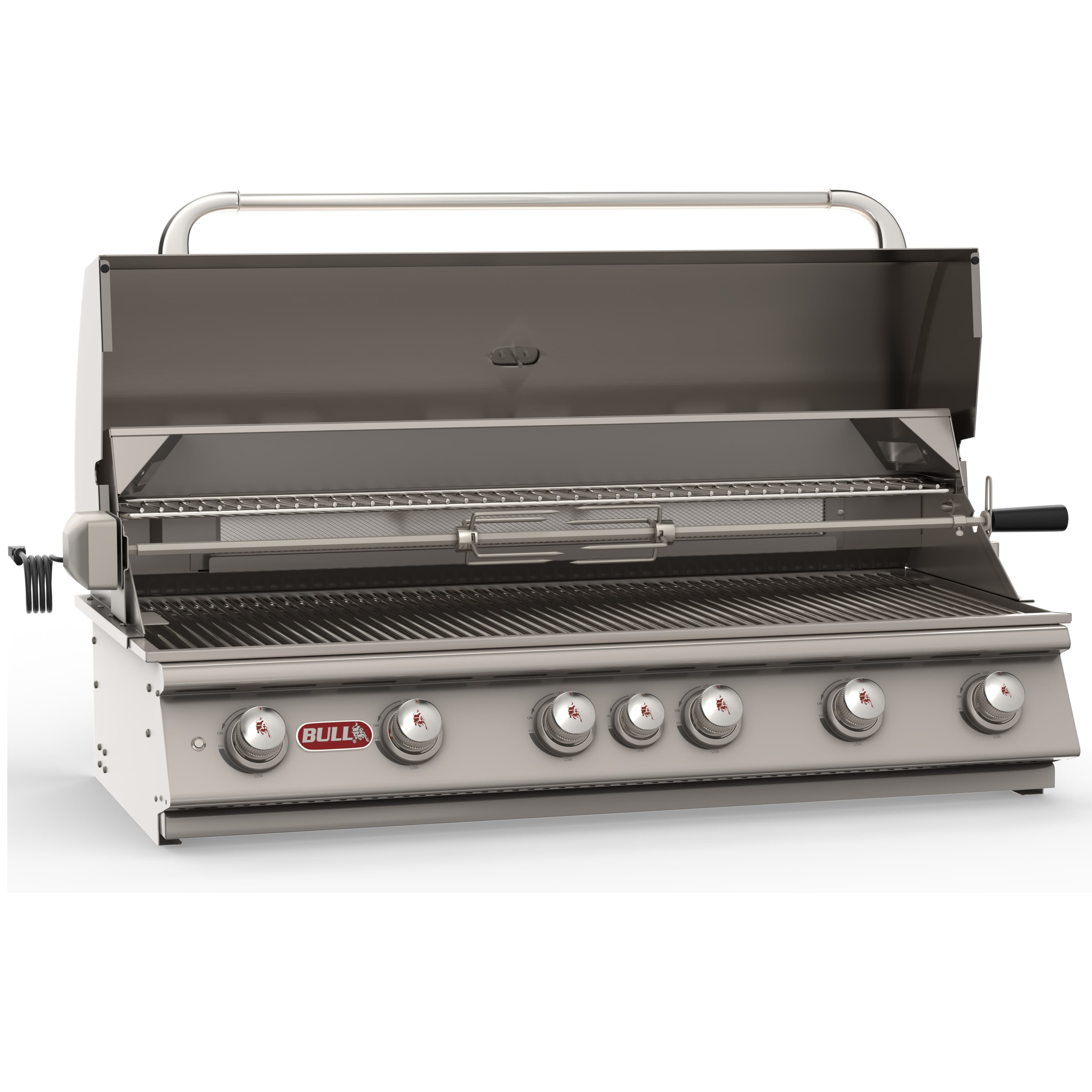
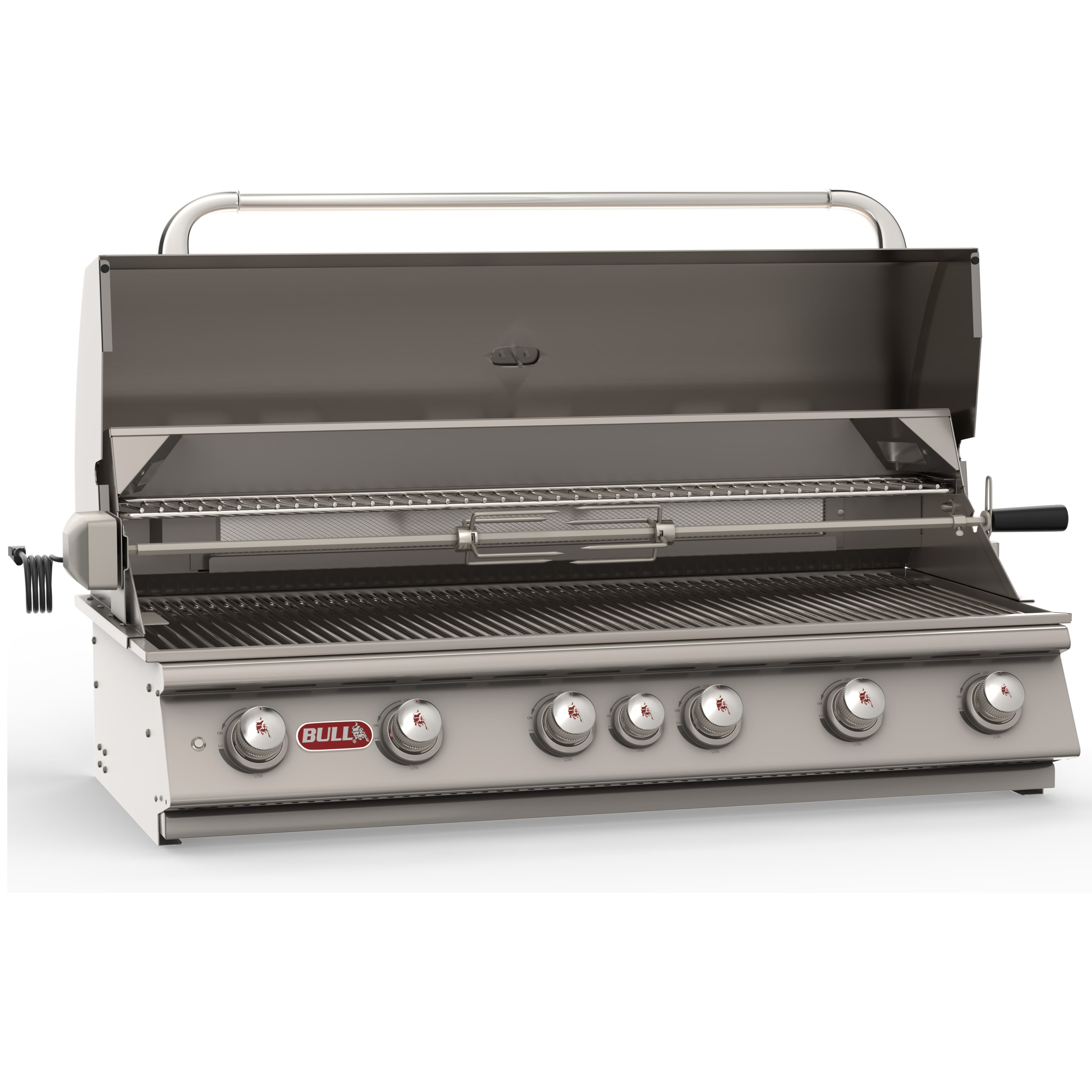
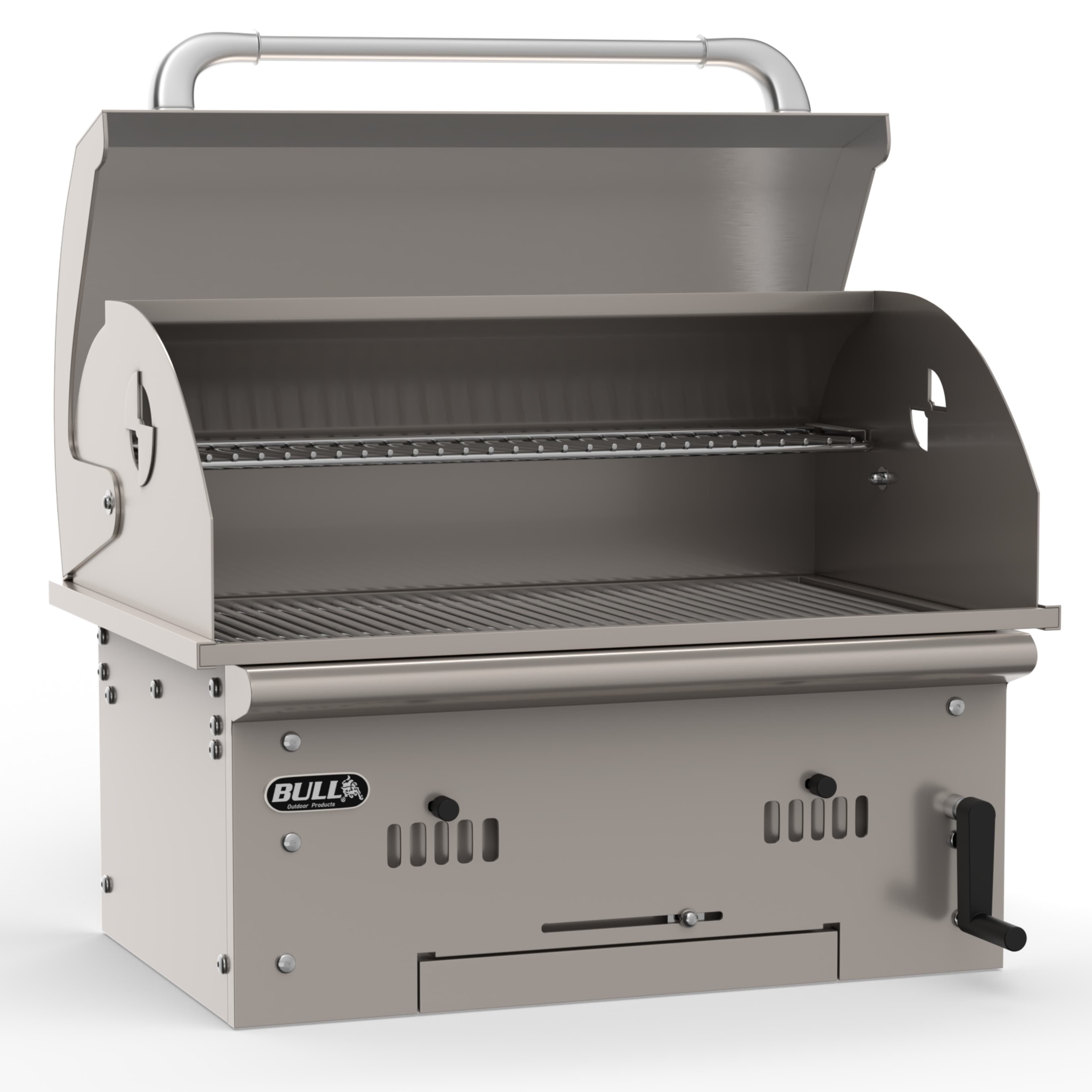
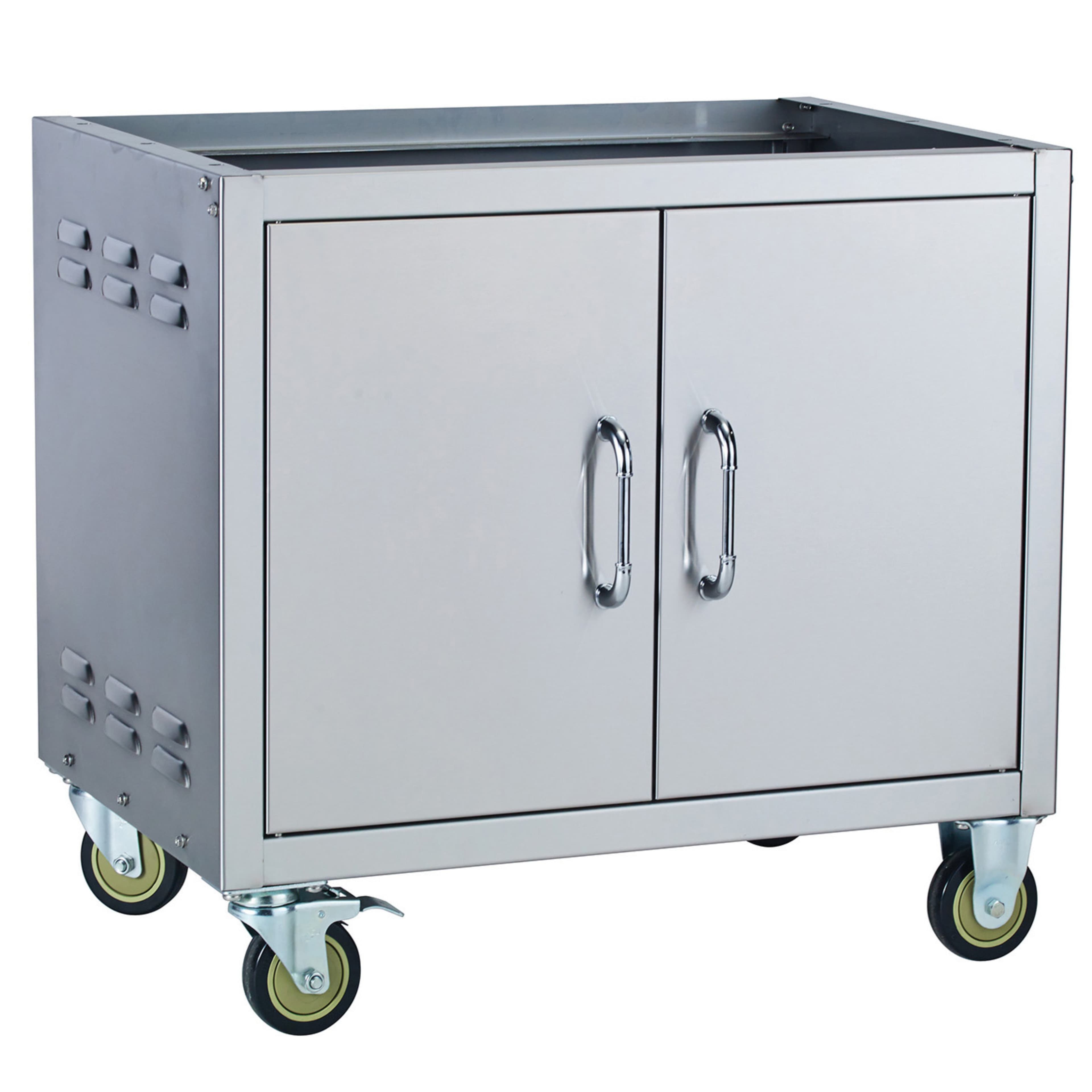
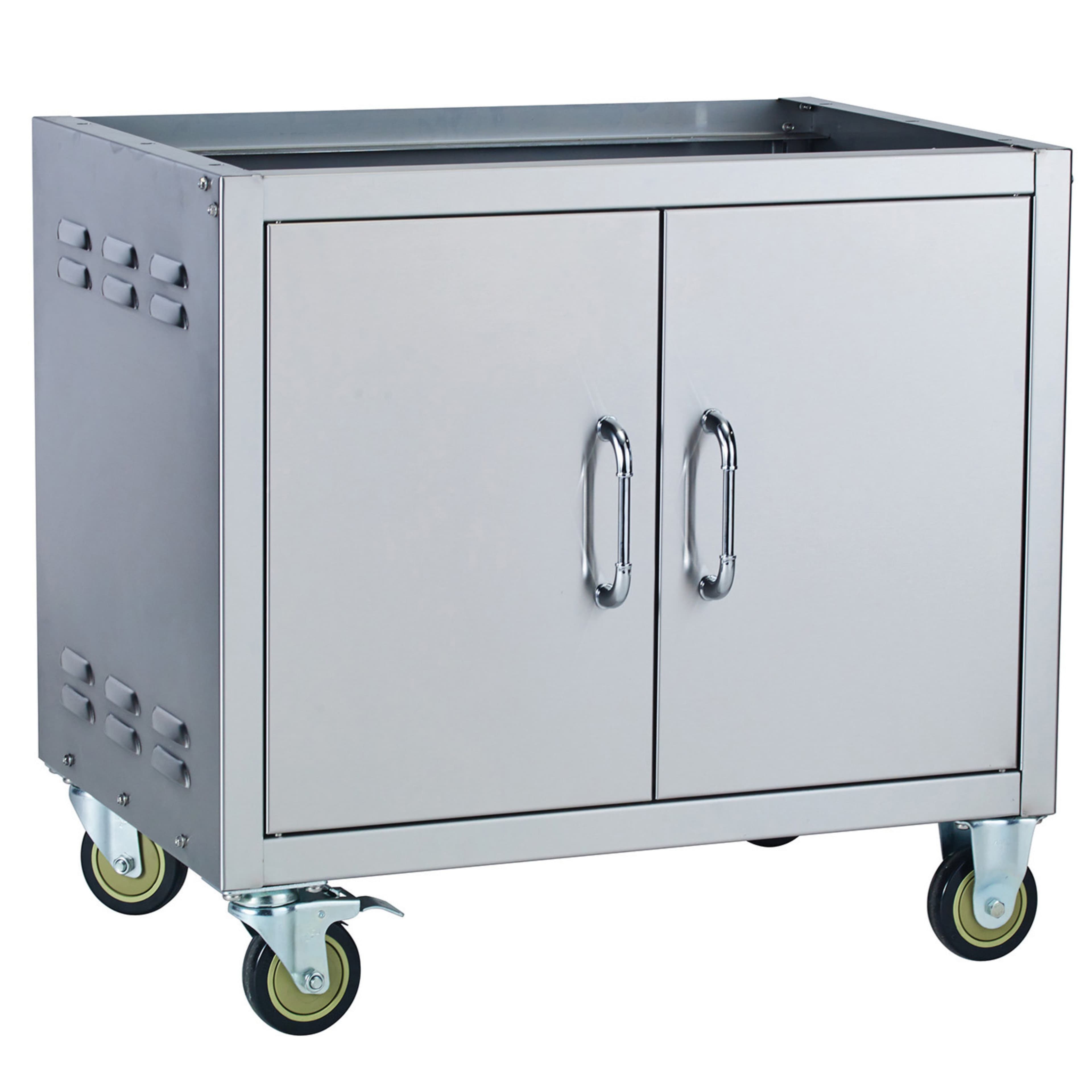
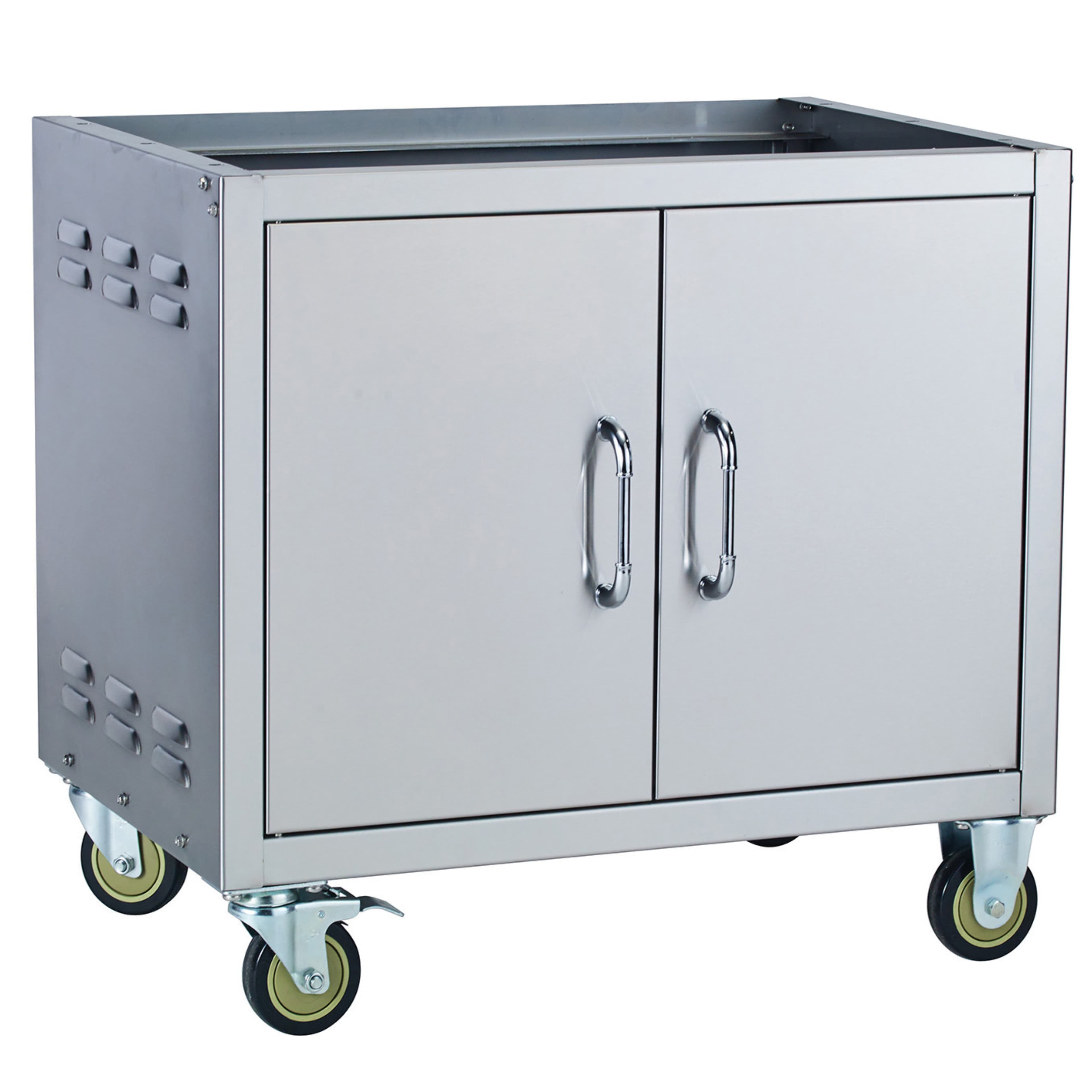
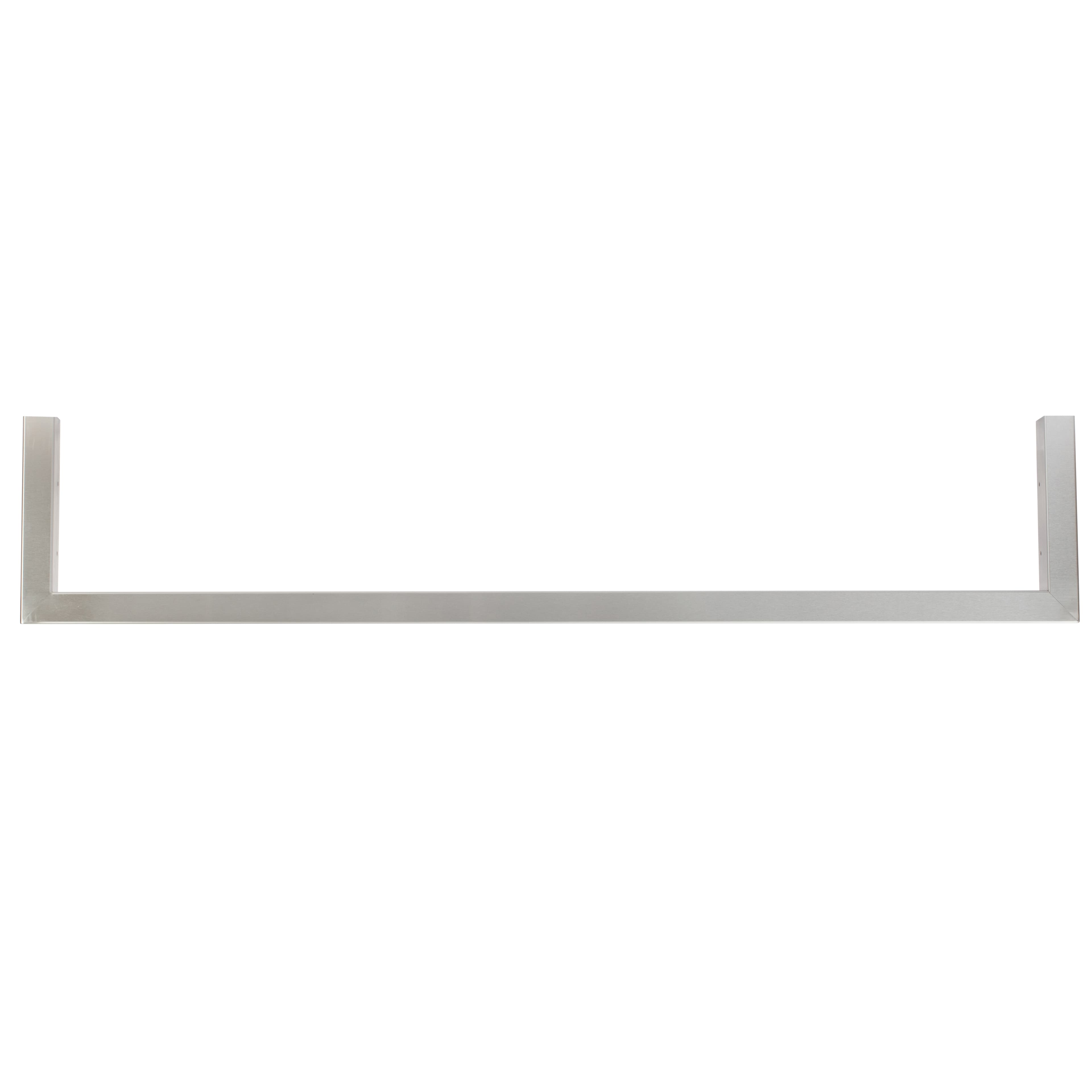
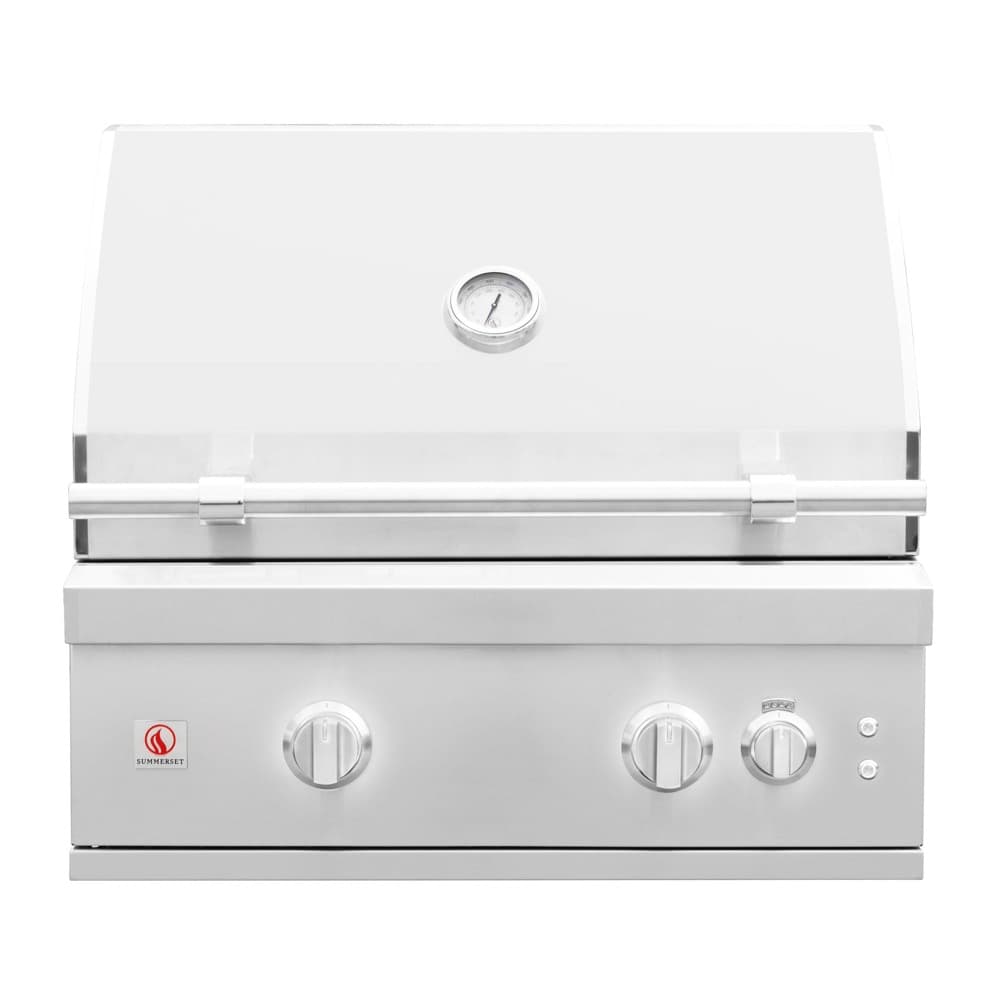
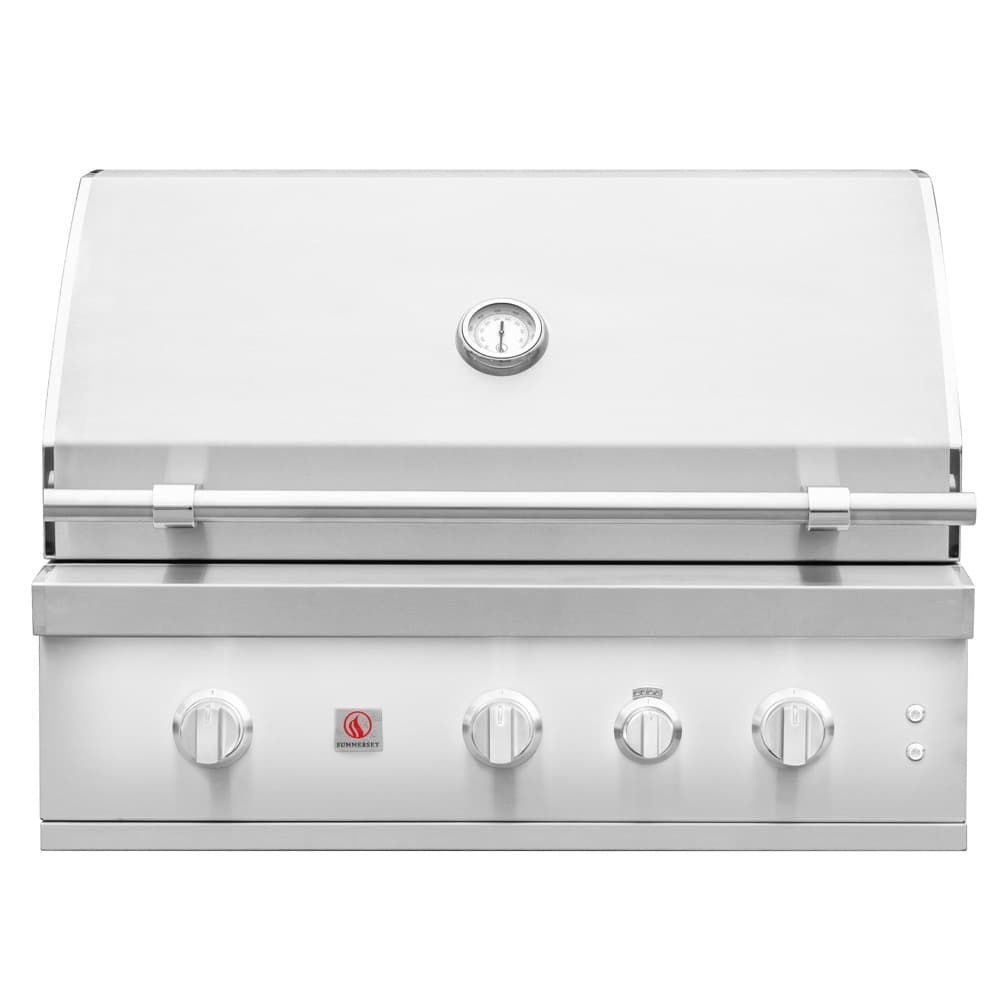
Built-in gas grills drop into an outdoor kitchen island or masonry cutout instead of rolling on a cart. Head sizes run 24 to 60 inches with 3-6 burners; premium brands like Bull, Hestan, Coyote, and Summerset use 304 stainless throughout for coastal and freeze-thaw durability. Pick the head first, then match cutout dimensions, gas type (LP or NG), and vent-hood clearance.
Frequently Asked Questions
What size built-in grill do I need?+
The most common sizes are 30" and 36". A 30" 4-burner fits a family of 4-6; 36" 5-burner handles a party of 8-10 comfortably; 42" and up are for entertainers who cook multiple proteins at once. Always confirm your cutout size against the manufacturer's spec sheet — cutouts are 1-2" smaller than the head's outer dimension.
What's the difference between built-in and freestanding gas grills?+
The cooking head is identical — the difference is the frame. Built-in heads have no cart, no wheels, and no side shelves so they can drop into an outdoor kitchen. Freestanding versions of the same head come mounted on a stainless cart with propane storage, shelves, and casters. If you already have (or are building) a masonry island, buy the built-in; if the grill needs to be mobile or standalone, buy the cart.
Do I need a vent hood over a built-in grill?+
Yes, if the grill is under a covered patio, gazebo, pergola with a solid roof, or any structure that traps smoke. IRC and most local codes require an outdoor-rated vent hood in those cases. For a fully open patio with no overhead structure, a vent hood isn't required — smoke dissipates. See our vent-hood buyer's guide for CFM sizing.
What's the difference between 304 and 430 stainless steel?+
304 stainless has 8-10% nickel and resists corrosion in humid, salty, or freeze-thaw climates. 430 is a chrome-only grade and will pit or rust in coastal air within a few years. Premium brands (Bull, Hestan, Coyote, Summerset) build their entire grill body from 304; budget brands often use 430 or mixed grades — check spec sheets before buying.
How many BTUs do I need in a built-in grill?+
Total BTU matters less than BTU per square inch of primary cooking surface. Aim for 80-100 BTU/sq-in for hot searing; below 70 struggles to hit steakhouse temps. A 36" 5-burner at 75,000-90,000 total BTU is in the sweet spot. Higher total BTU on a small grill just wastes gas; lower BTU on a big grill can't hold high heat.
Can I convert a built-in grill from natural gas to propane?+
Yes — most premium brands sell an LP-to-NG or NG-to-LP conversion kit for each model. Kits swap orifices and regulators. If you buy the correct kit and follow the instructions, factory warranty is preserved. Cheaper grills often can't be converted, so if fuel type might change, buy a convertible model up front.
What clearance do I need around a built-in grill?+
Every brand publishes required clearance to combustibles — typically 3-6" on the sides, 12-18" above the hood, and specific insulation-jacket requirements if you're framing with wood. Never trust generic "leave 6 inches" advice — pull the spec sheet for your exact model. Not following manufacturer clearance voids warranty and fails inspection.
How long does a premium built-in grill last?+
A 304-stainless grill from Bull, Hestan, Coyote, or Summerset lasts 15-20+ years with basic maintenance (annual burner cleaning, cover it when unused). Cheap grills last 3-7 years. Cost per year of use usually favors buying premium once over replacing budget grills every 5 years.
Craftsmanship
“Every piece in the Built-In Grills is designed to be discovered slowly — a surface that changes with the seasons, a flame that reframes a conversation.”
The FirePits.com Editorial Team
Explore
Related Collections
Stay Informed
New Collections & Limited Releases
Be the first to know when new pieces arrive. No noise — just meaningful updates from our studio.
By subscribing, you agree to our Privacy Policy. Unsubscribe at any time.