Best Gas Smokers of 2026: Tested Picks for Every Backyard
By Reed · Published August 2026
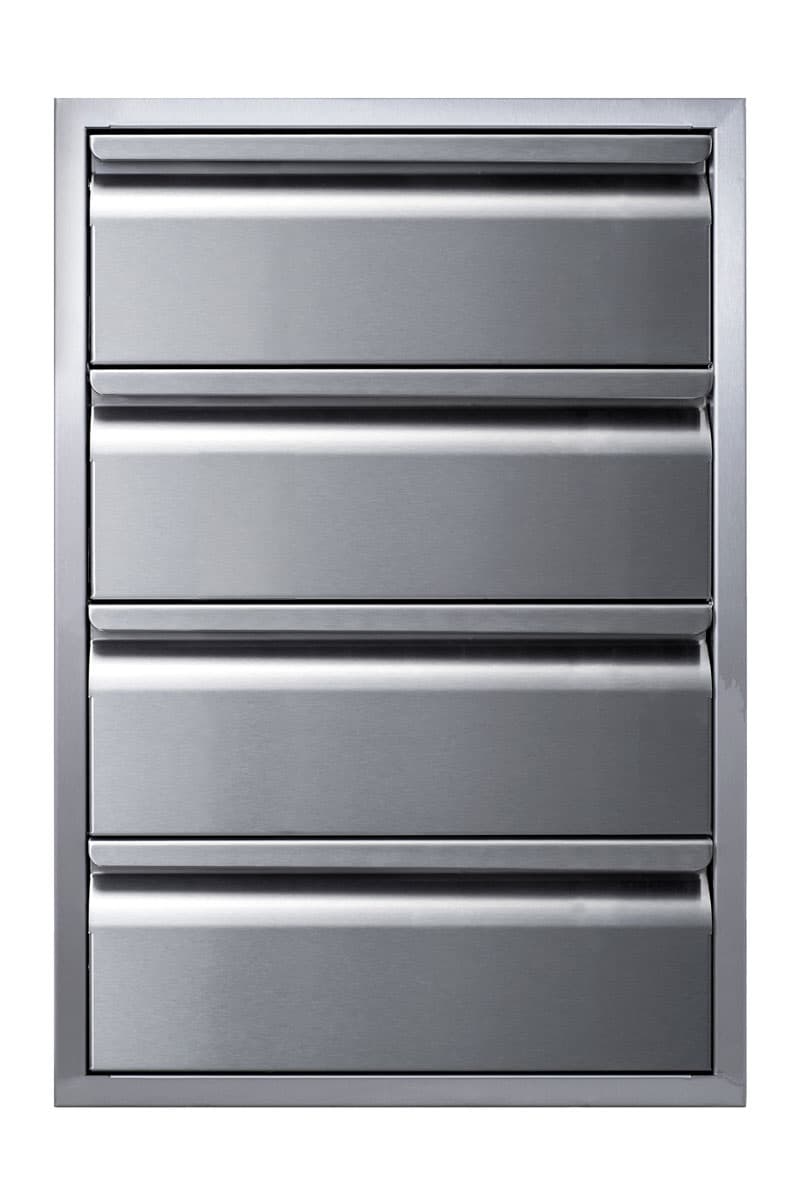
The best gas smokers in 2026 are the Camp Chef Smoke Vault 24, Masterbuilt MPS 340G, and Cuisinart COS-244, three vertical propane smokers that give you set-and-forget temperature stability, real smoke flavor from a chip tray, and 20-plus pounds of capacity for the price of one nice pellet grill. Gas smokers get overlooked because pellet grills have taken over the marketing conversation, but propane still wins on portability, on cold-weather starts, and on the tailgate where there is no outlet. If you want ribs, chicken, jerky, and the occasional pork shoulder without babysitting a fire or plugging in an auger, a good vertical gas smoker is the most underrated 300 dollars in outdoor cooking.
Why Gas Smokers Still Make Sense in 2026
Pellet grills get most of the airtime now, but gas smokers hold ground for four specific reasons. First, they light in cold weather. A pellet grill trying to ignite at 20 degrees in a Boise garage is a coin flip. A propane burner lights every time. Second, no electricity means you can smoke at a campsite, at a tailgate, or during a power outage. Third, gas smokers hold temperature through wind and weather better than most people expect because the burner is always on, unlike a pellet auger that cycles.
Fourth, and this is the honest one, gas smokers are cheap. A 300 dollar vertical propane smoker delivers the same 225 degree low-and-slow environment as a 900 dollar pellet grill. You lose the wifi app and the automatic pellet feed. You keep the smoke ring, the bark, and the four-rack capacity. For a household that smokes eight to twelve times a year, that math is hard to argue with.
The tradeoff is fuel type flavor. Gas smokers use wood chips in a small metal tray over the burner, which produces real smoke but in shorter bursts than pellets or charcoal. You will refill the chip tray every 45 to 60 minutes on a long cook. That is the price of admission.
“Gas smokers are the most underrated 300 dollars in outdoor cooking. You lose the wifi app. You keep the smoke ring.”
Top Pick: Camp Chef Smoke Vault 24
The Smoke Vault 24 is the vertical gas smoker most serious backyard cooks land on after they outgrow their first cheap one. It is 24 inches wide inside, giving you enough rack real estate for two full slabs of St. Louis ribs side by side without trimming. Four adjustable and removable racks let you run a pork shoulder on the bottom, ribs in the middle, and jerky on top all in one cook.
The 18,000 BTU cast brass burner is the reason it stays on this list year after year. It holds 225 degrees in 40 degree weather without wandering. The matchless snap-ignition works after five years of outdoor abuse, and the built-in door thermometer plus three damper vents give you real control over airflow. Add a proper leave-in probe thermometer and you have a smoker that competes with rigs three times the price.
Street price runs 380 to 450 dollars. Camp Chef sells a smaller 18-inch version for around 300 dollars if patio space is tight, but the 24 is worth the upgrade if you have room.
Best Budget: Masterbuilt MPS 340G ThermoTemp
For under 300 dollars, the Masterbuilt MPS 340G is the honest budget pick. It gives you a 15,000 BTU stainless burner, four chrome-coated racks, and a total cooking capacity around 961 square inches, which is enough for two pork butts and a chicken at the same time.
The ThermoTemp version adds a thermostatic control valve that modulates the burner to hit a target temperature rather than running full-bore, which is unusual at this price. That single feature closes 80 percent of the gap between a budget gas smoker and a mid-tier pellet grill. Set 225, wait 20 minutes, walk away.
The build is exactly what you would expect at this price. The door seal is not perfect, the chip tray is small, and the paint will show heat marks by year three. But for a first smoker or a backup unit for the beach house, nothing else in this price bracket touches the feature set.
A well-tuned vertical gas smoker sips propane. One 20-pound tank runs 3-4 full cook days at 225°F.
Best Compact: Cuisinart COS-244 Vertical Propane Smoker
The Cuisinart COS-244 is 36 inches tall and 22 inches wide, which sounds small on paper but hides four stainless racks and 5.45 cubic feet of interior space. It fits in the corner of a townhouse patio or the bed of a pickup for camping. The 40-inch total footprint with the front table down is smaller than most trash cans.
You get a 15,400 BTU burner, a wide temperature range from 100 to 400 degrees, and twist-lock door handles that actually seal. It runs off a standard 20-pound tank and sips fuel because the smaller chamber heats faster. Expect 20 to 25 hours of cook time per tank at 225 degrees.
For under 250 dollars this is the smoker to buy if you rent, travel, or just want to try low-and-slow without committing a car-length of yard space.
Char-Broil Big Easy Oil-Less Turkey Fryer and Smoker
The Big Easy is not a vertical cabinet smoker. It is a propane-powered infrared cooker with a smoker box accessory, and it deserves a spot on this list because it is the single best tool for cooking a whole turkey or a whole chicken with real smoke and crispy skin. The internal basket holds birds up to 25 pounds. It cooks a 14-pound turkey in about two and a half hours with no oil.
Add the Char-Broil smoker box accessory (around 20 dollars) and you get real wood smoke flavor at 300 to 325 degrees, which is the sweet spot for poultry skin. It will not replace a vertical smoker for pork shoulder or brisket. It will absolutely replace your propane turkey fryer, which is safer and produces a better bird.
Under 200 dollars, and if you host Thanksgiving it pays for itself the first year.
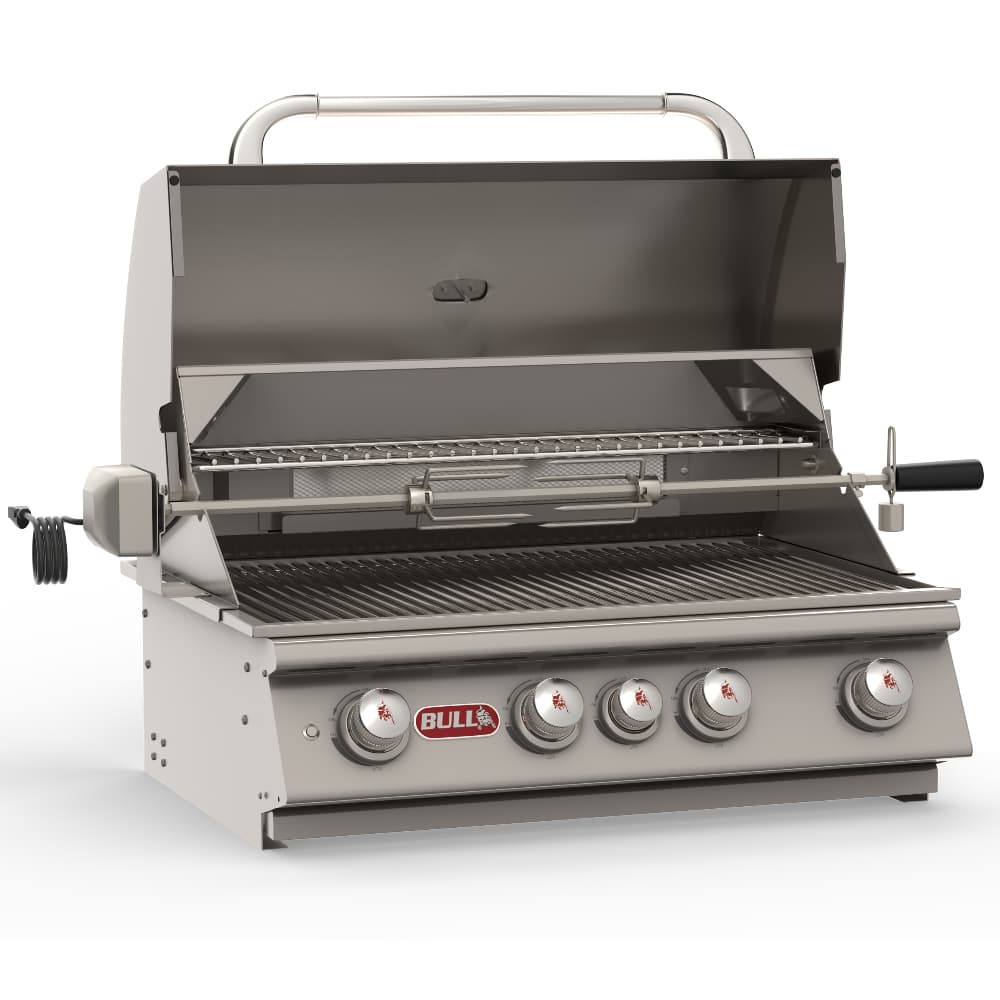
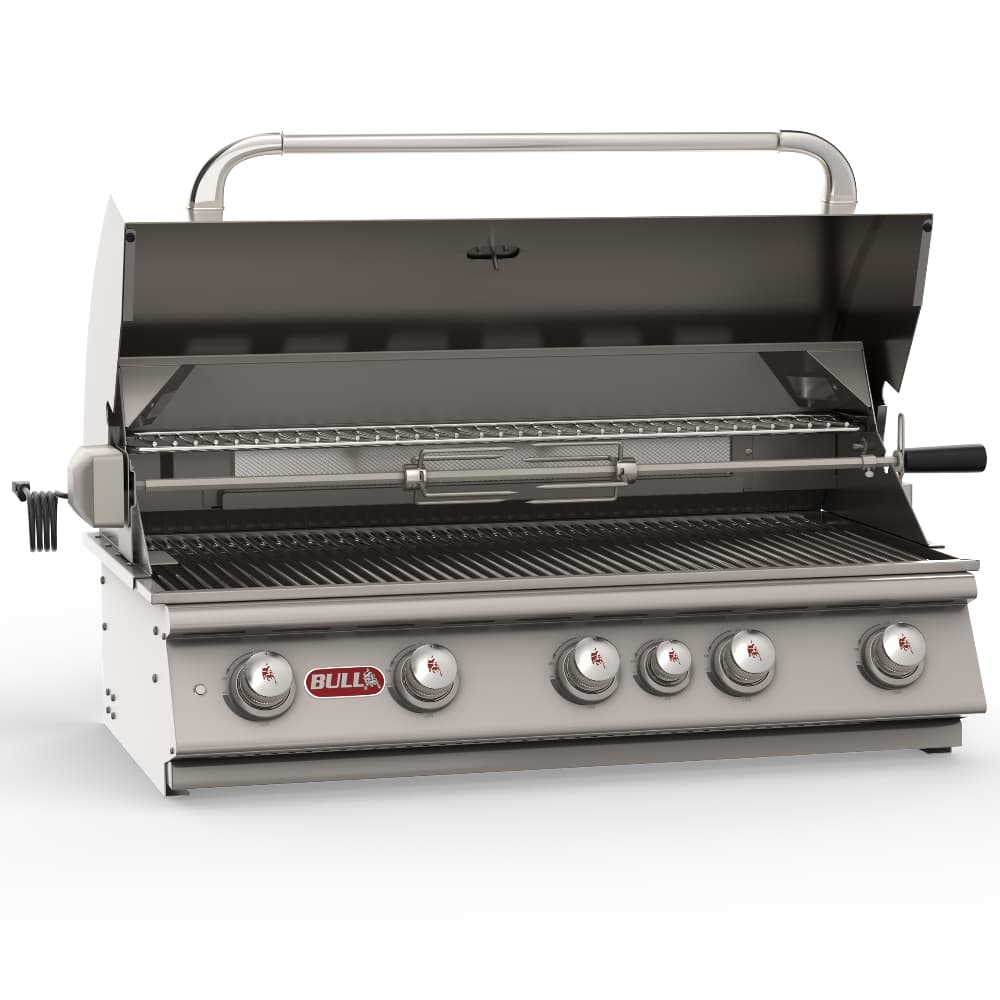
Ready to bring smoking into a permanent outdoor kitchen? These are the built-in gas grills with dedicated smoker boxes we recommend.
When to Skip Gas and Go Pellet Instead
Buy a pellet grill instead if you cook more than 15 hours in a single session, if you want app control and cook alerts on your phone, or if you cook briskets and pork shoulders as your default. Pellet grills hold temperature within 5 degrees for 20 hours without touching them. Gas smokers require a chip refill every hour and a fuel check every 12.
The pellet grills we sell on bbqs.com from Bull, Coyote, and Hestan sit in a different tier entirely. A built-in Coyote pellet grill in an outdoor kitchen is a piece of furniture that also happens to smoke a brisket. A vertical gas smoker is a specialized appliance that lives on the deck for cook days. Different tools, different jobs.
The other case for pellet: flavor variety. Pellet grills swap between hickory, cherry, apple, oak, and mesquite by dumping a new bag in the hopper. Gas smokers use chips, which work fine but require you to keep four small bags on hand instead of two big ones.
When to Skip Both and Go Charcoal Offset
If you are chasing competition-level smoke rings, deep bark, and that specific charcoal-and-post-oak flavor profile that a gas smoker cannot fake, you want a real offset stick burner. Yoder, Lang, and Meadow Creek build the American classics, with Yoder pits starting around 2,500 dollars and running past 8,000 for a competition rig.
An offset smoker demands fire tending every 30 to 45 minutes for the entire cook. A 14-hour brisket cook is a 14-hour commitment to the fire. If that sounds like a hobby you would enjoy, gas will always feel like a compromise. If it sounds like a job, buy the Camp Chef.
Somewhere between the two sit the kamado-style ceramic cookers like a Big Green Egg or a Kamado Joe, which run charcoal but hold temperature almost as well as a pellet grill. They cost 1,000 to 2,000 dollars and cover almost every cook type. Worth considering if the honest answer is that you want one grill that does everything.
Frequently Asked Questions
Propane or natural gas for a smoker?+
Gas smoker vs pellet grill: which should I buy first?+
What wood chips work best in a gas smoker?+
How do you control temperature on a gas smoker?+
How long do ribs take on a gas smoker?+
Do I need to season a new gas smoker before the first cook?+
How much food can a vertical gas smoker actually hold?+
Can I use a gas smoker as a regular grill?+
Products & brands in this guide
Related reading
Reed — Reed writes the buying guides at BBQs.com — fifteen years selling and installing built-in grills means the picks here are what we'd actually put in our own outdoor kitchen.